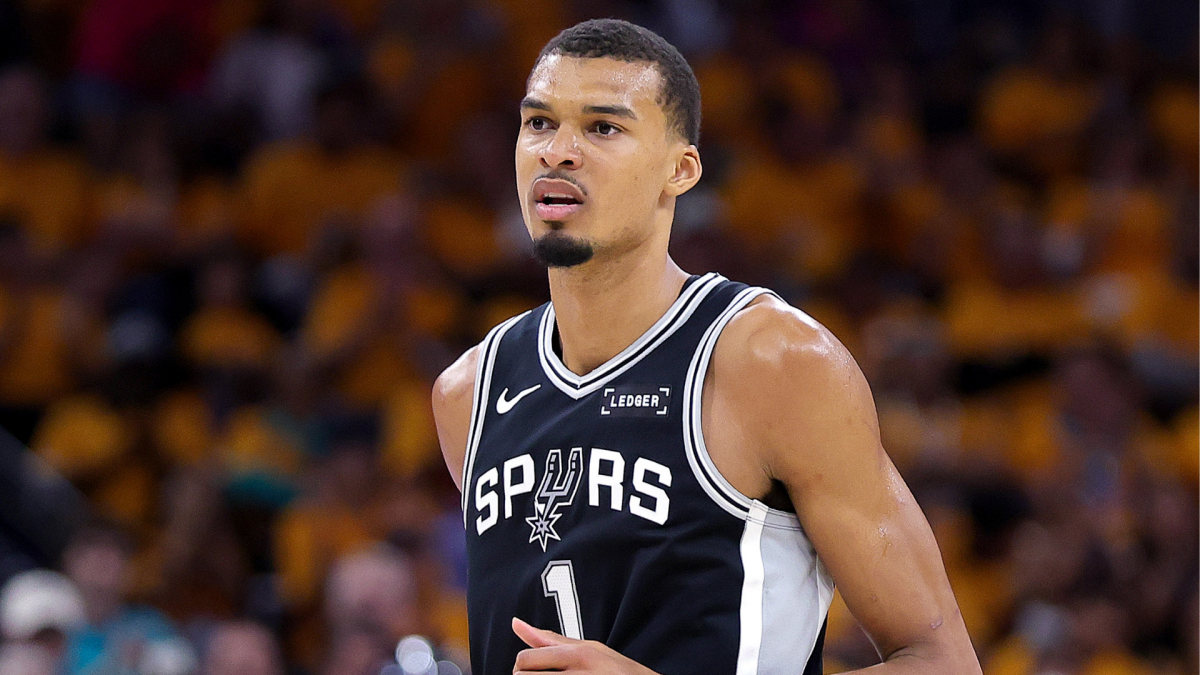
The Western Conference Finals have shifted into a tactical chess match, and the Oklahoma City Thunder have signaled a definitive change in how they intend to neutralize Victor Wembanyama. After a physical and grueling Game 1 loss, the Thunder adjusted their defensive approach, leaning heavily on the presence of Isaiah Hartenstein to disrupt the San Antonio Spurs’ star in the paint. The result was a 122-113 victory for Oklahoma City on Wednesday, leveling the series at 1-1 and forcing a conversation about how much space a generational talent like Wembanyama will be afforded moving forward.
For the Thunder, the adjustment was as much about personnel as it was about mentality. Following a Game 1 performance where Wembanyama dominated the interior, scoring 26 points in the paint, Oklahoma City coach Mark Daigneault identified a clear need for a more consistent defensive anchor. The strategy paid off in Game 2, as the Thunder successfully limited Wembanyama to just 10 paint points, according to official NBA box score data. The tactical shift underscores the high-stakes nature of this series, where every rotation and minute played carries significant weight.
A Strategic Pivot in the Paint
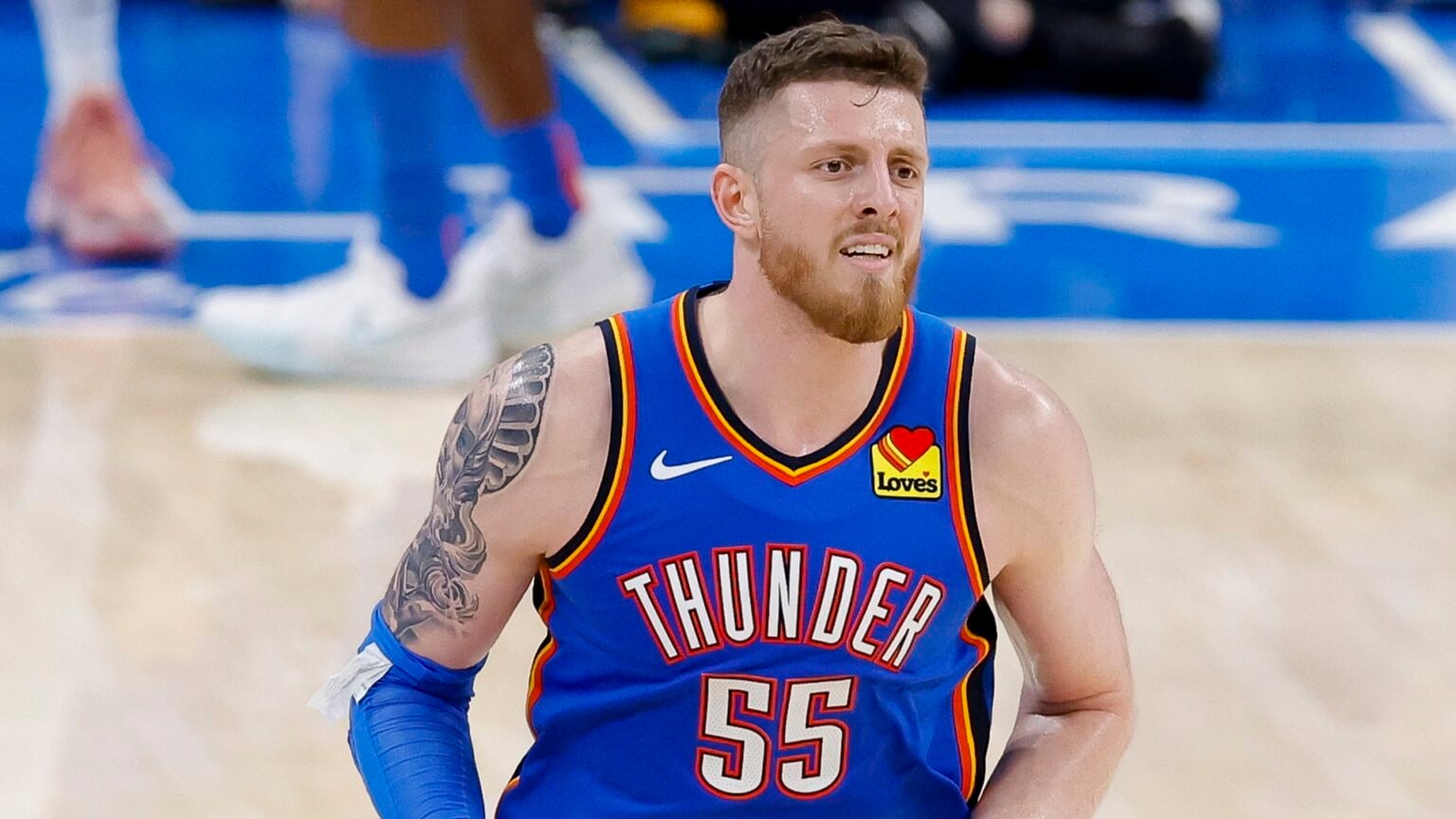
The narrative of this series has been defined by the battle for the interior. In Game 1, the Spurs utilized their size to punish the Thunder, with Wembanyama acting as the primary engine for San Antonio’s offense. However, the decision to increase Isaiah Hartenstein’s workload proved pivotal. Hartenstein, who played only 12 minutes in the series opener, saw his time on the floor jump to 27 minutes in Game 2. This decision was not made in a vacuum; it followed direct communication between the coaching staff and the player.
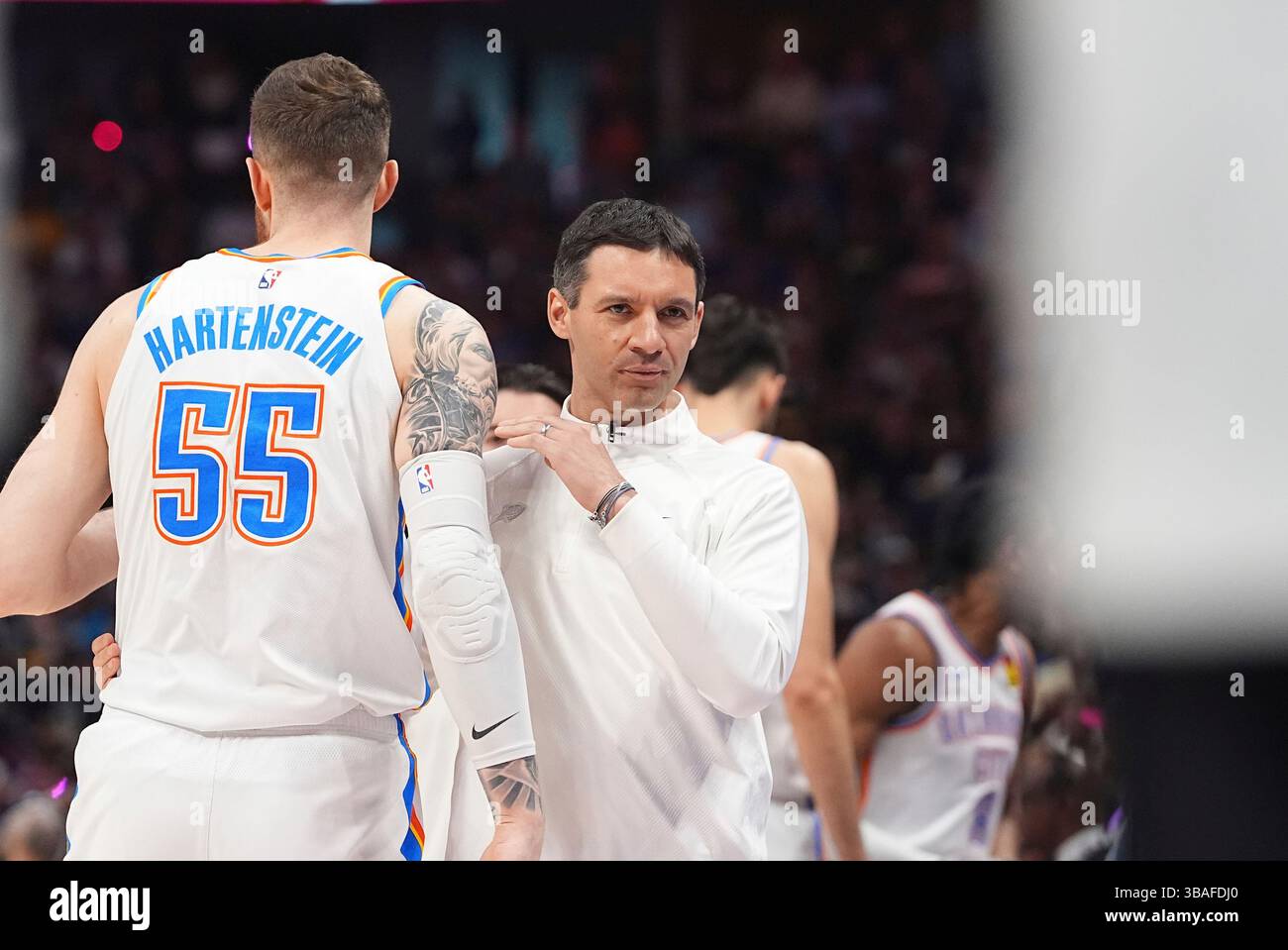
Coach Daigneault was candid about his management of the rotation, admitting that the limited minutes for Hartenstein in the first game were not ideal. By recalibrating the defensive assignments, the Thunder forced Wembanyama to work harder for every possession. While Wembanyama still managed a stat line of 21 points, 17 rebounds, and six assists, his impact was significantly dampened compared to the series opener. The Thunder’s defensive pressure, spearheaded by Hartenstein’s physical engagement, contributed to four turnovers by Wembanyama, which were part of a larger team struggle that saw the Spurs commit 21 turnovers, leading to 27 points for Oklahoma City.
The Impact of Physicality on Efficiency
The statistical decline in Wembanyama’s paint production serves as a clear indicator of the Thunder’s success in their defensive strategy. By forcing the Spurs’ star to operate further away from the rim, Oklahoma City effectively disrupted the rhythm of the San Antonio offense. This defensive adjustment highlights the importance of matching size and physicality against a player of Wembanyama’s stature. The 7-foot, 267-pound Hartenstein served as the primary obstacle, logging the most minutes defending the Spurs star.
What makes this development particularly compelling is how it challenges the Spurs to adapt. If the Thunder continue to prioritize interior physicality, San Antonio will likely need to find alternative ways to generate high-percentage shots. The ability of the Thunder to capitalize on turnovers suggests that their defensive intensity is not just stopping the opposition, but actively fueling their own offensive transition. As the series progresses, the battle for the paint will remain the most critical factor to watch.
Key Takeaways from the Series Progression
- Tactical Adjustments: Oklahoma City significantly increased Isaiah Hartenstein’s minutes, leading to a more consistent defensive presence against Victor Wembanyama.
- Interior Defense: Wembanyama’s paint points dropped from 26 in Game 1 to 10 in Game 2, signaling that the Thunder’s defensive plan is producing results.
- Turnover Disparity: The Spurs committed 21 turnovers in Game 2, which resulted in 27 points for the Thunder, highlighting the efficiency of Oklahoma City’s defensive pressure.
- Series Status: With the 122-113 win, the Western Conference Finals are now tied 1-1, setting the stage for a critical third game.
Looking Ahead to Game 3
As the series moves forward, the focus shifts to how both teams will refine their strategies. The Thunder have shown they can force the Spurs into uncomfortable positions, but the challenge will be maintaining this intensity for the duration of the series. For San Antonio, the next step involves finding ways to counter the physical defensive pressure that has disrupted their interior scoring. Both coaching staffs are now in a period of intense preparation, analyzing the film from the first two games to make the necessary adjustments for the next encounter.
The next official update in this series will come as the teams prepare for their upcoming game. Fans and analysts alike are waiting to see if San Antonio can regain the momentum they established in the series opener or if Oklahoma City’s current defensive blueprint will prove sustainable. We will continue to track the developments of the Western Conference Finals as they unfold. Please share your thoughts on the series in the comments section below.
Related reading