
In a significant discovery for the field of paleoanthropology, researchers have identified what may be the oldest known evidence of invasive dental treatment in human history. Found within the Chagyrskaya Cave in southwestern Siberia, a Neanderthal molar provides a glimpse into the sophisticated cognitive abilities and technical skills of our extinct human cousins. The findings, published in the journal PLOS One, suggest that Neanderthals possessed a level of medical awareness previously thought to be absent from the Paleolithic era.
The discovery centers on a second lower molar, identified by researchers as “Chagyrskaya 64.” Upon detailed examination, the tooth revealed a substantial, irregular cavity on its occlusal surface—the chewing surface—extending down to the pulp chamber. This finding challenges long-held assumptions regarding the medical intervention capabilities of hominids living between 59,000 and 49,000 years ago, as detailed in the official study published in PLOS One.
Advanced Dental Intervention in the Paleolithic Era
The analysis of the molar was led by paleoanthropologist Alisa Zubova of the Russian Academy of Sciences. Utilizing advanced microscopy, the research team identified features within the cavity that indicate deliberate modification rather than natural decay or wear. Specifically, the team observed fine, linear striations along the edges of the cavity, which were visible at a 500x magnification. These markings are consistent with the use of rotating tools—a remarkable technical feat for a period long before the advent of modern dentistry.

The cavity itself measures 4.2 mm in length, 2.8 mm in width, and 2.6 mm in depth. The precision required to reach the pulp chamber suggests that the individual performing the procedure possessed both anatomical knowledge and the manual dexterity to manipulate hard, fine stone tools. According to the research findings, this intervention likely aimed to treat a painful carious lesion. While there is no evidence of anesthesia, the longevity of the individual following the procedure indicates that the “patient” survived the intervention and continued to consume food.
This discovery predates the previous record-holder for the oldest dental intervention—a drilled tooth found in Italy—by more than 40,000 years. The implications of this timeline shift are profound, as they suggest that the roots of medical practice extend significantly further back into human evolution than previously documented by the scientific community.
Cognitive Sophistication and Neanderthal Heritage
For those of us in the medical and scientific community, the Chagyrskaya 64 molar serves as a vital piece of evidence regarding the behavioral complexity of Neanderthals. For years, the scientific consensus has evolved to recognize that Neanderthals were not the primitive beings once depicted in early anthropology. Instead, they demonstrated clear evidence of social cooperation, symbolic thought, and, as this study confirms, the capacity for medical care.
The ability to identify a dental problem, select appropriate stone tools, and execute a multi-stage drilling process points to a high degree of cognitive sophistication. It implies a transfer of knowledge within the group, as such skills would likely have been taught or observed. This evidence of “paleo-dentistry” suggests that Neanderthals were capable of addressing the health needs of their peers, potentially utilizing the analgesic properties of local plants to manage pain during such invasive procedures.
Key Takeaways from the Discovery
- Oldest Evidence: The 59,000-year-old molar is currently the oldest known instance of intentional, invasive dental treatment in the human record.
- Technical Precision: Microscopic analysis revealed striations characteristic of rotating tool use, indicating advanced manual skills.
- Anatomical Understanding: The procedure reached the pulp chamber, suggesting a sophisticated understanding of dental anatomy.
- Survival: Wear patterns on the tooth confirm that the individual survived the procedure and continued to use the tooth for mastication.
The Future of Paleo-Medical Research
As we continue to analyze findings from sites like the Chagyrskaya Cave, the narrative of human evolution continues to be rewritten. This study, led by Zubova and her colleagues, provides a foundation for future inquiries into how early hominids managed health crises. The integration of high-resolution imaging and dental anthropology will be essential for identifying further instances of medical intervention in the fossil record.
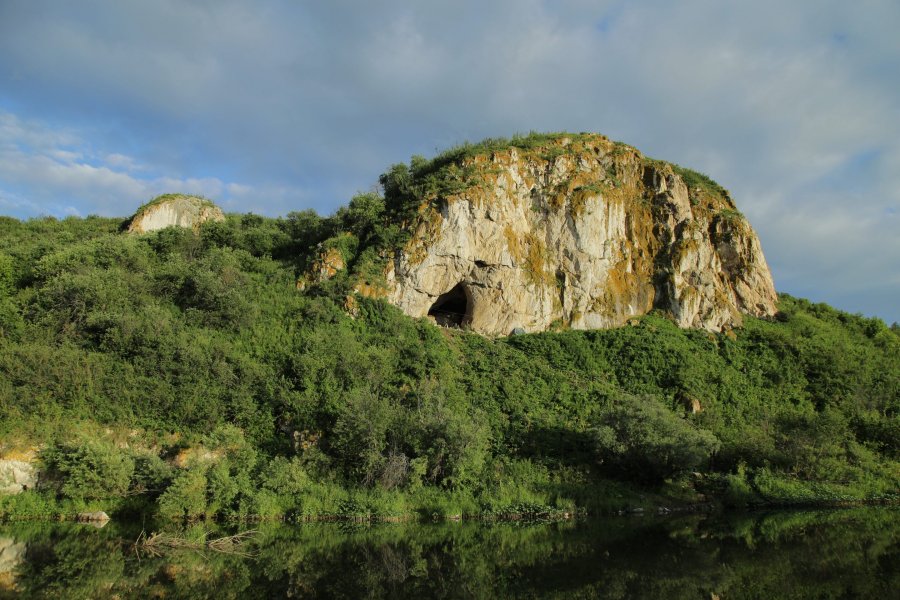
This discovery serves as a reminder of the resilience and ingenuity of our ancestors. As we look toward future archaeological seasons in Siberia and beyond, researchers remain hopeful that more evidence of Paleolithic health practices will emerge, further closing the gap in our understanding of early human medicine. For now, the Chagyrskaya 64 molar stands as a testament to the fact that the desire to care for one another is as ancient as humanity itself.
For further updates on archaeological discoveries and their implications for human health history, please continue to follow our reporting at World Today Journal. We welcome your thoughts on this intersection of history and medicine—join the conversation in the comments section below.
Worth a look