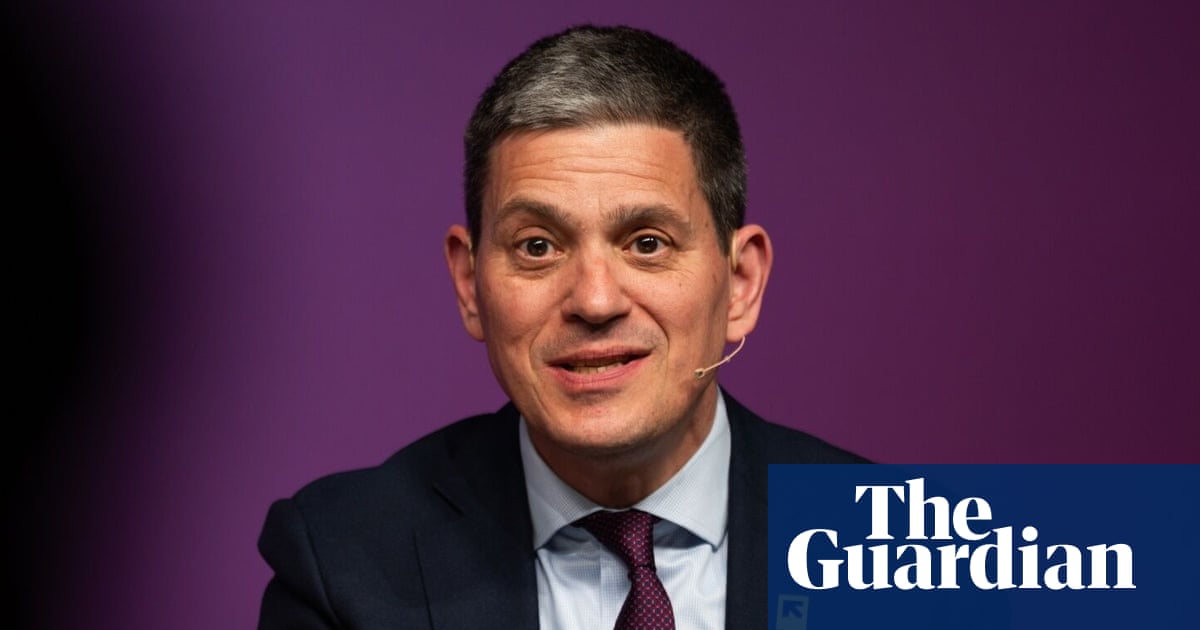
The debate surrounding the United Kingdom’s future relationship with the European Union has entered a new phase of scrutiny, with former Foreign Secretary David Miliband calling for a broad “national consensus” regarding the potential for the country to eventually rejoin the bloc. Miliband, who currently serves as the president of the International Rescue Committee, argued that the current trajectory of UK-EU relations requires a more significant strategic reset than what has been proposed by current government officials.
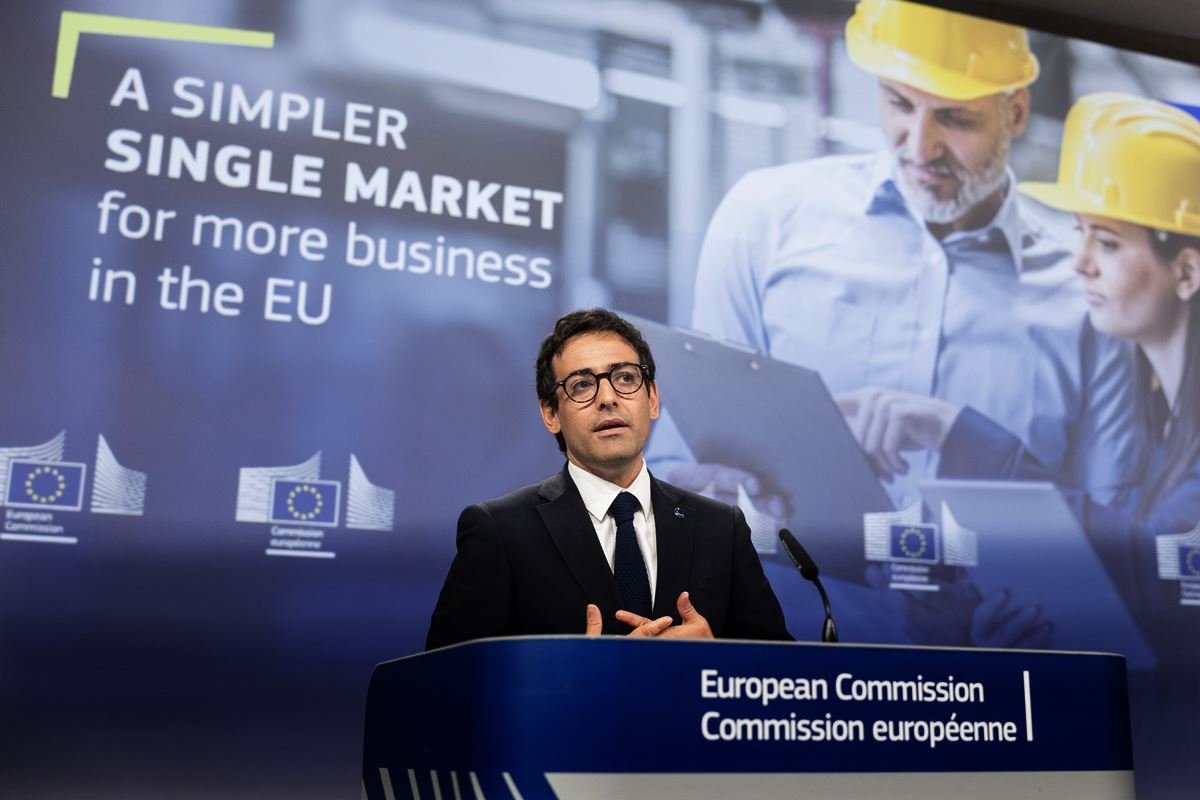
The call for a deeper approach to diplomatic realignment follows recent reports suggesting that UK officials have explored the possibility of establishing a single market for goods with the European Union. While the government has navigated complex post-Brexit trade arrangements, Miliband suggested that the current policy planning is insufficient to address the structural challenges facing the nation. He explicitly stated that the UK requires a reset of its relations with the EU at “a much higher dosage” than what is currently under consideration.
Defining the Path Forward: A Need for Consensus
The concept of a “national consensus” on European policy remains a contentious issue in British politics. Since the 2016 referendum, the UK’s withdrawal from the EU has been defined by a series of negotiations aimed at establishing the Trade and Cooperation Agreement, which serves as the current legal framework governing the relationship between the two parties. This agreement, finalized in late 2020, replaced the previous arrangements of the single market and customs union.
Miliband’s intervention highlights a growing sentiment among some political observers that the current “thin” trade deal, which focuses primarily on goods without tariffs or quotas, leaves significant gaps in services and regulatory alignment. By advocating for a higher-dosage reset, Miliband is suggesting that the UK must move beyond the incremental adjustments currently being discussed by policymakers. However, achieving such a consensus would necessitate navigating the deep-seated political divisions that have persisted in the UK since the 2016 EU referendum.
The Practical Challenges of Trade Realignment
The suggestion that the UK might seek a single market for goods—often referred to as a sectoral approach—is not new, but it represents a departure from the current government’s stated policy of avoiding the reintroduction of free movement or European Court of Justice jurisdiction. A single market for goods would theoretically reduce non-tariff barriers, such as sanitary and phytosanitary (SPS) checks, which have increased the administrative burden for businesses trading across the English Channel.
According to the Office for National Statistics, the complexities of post-Brexit trade continue to influence the UK’s economic performance, with businesses adapting to new customs declarations and regulatory requirements. Any move toward a deeper integration, such as a single market for goods, would require the UK to align with specific EU regulations, effectively limiting the UK’s ability to diverge in those sectors—a trade-off that remains a central point of political friction.
Looking Ahead: The Diplomatic Landscape
As the UK government continues to engage with Brussels on practical improvements to the existing trade deal, the broader question of whether to seek a more fundamental shift remains on the horizon. The current EU-UK relationship is subject to ongoing review and implementation protocols, particularly regarding the Windsor Framework and other cooperative mechanisms designed to maintain stability in Northern Ireland.
The debate is expected to intensify as both sides look toward future review points in the trade agreement. Whether Miliband’s call for a “national consensus” gains traction will depend on the willingness of the major political parties to revisit the foundational terms of the UK’s departure from the European Union. For now, the focus remains on incremental cooperation within the parameters of the existing treaty, with any major shifts requiring a level of political capital that has yet to be fully realized.
We invite our readers to share their perspectives on the future of UK-EU relations. As developments unfold, we will continue to provide updates on the official negotiations and the evolving discourse in Westminster, and Brussels.
Keep reading