In the evolving landscape of European defense cooperation, the strategic alignment of major military powers remains a focal point for geopolitical analysts. Recent international discussions have centered on the potential expansion of collaborative defense initiatives, specifically regarding the Global Combat Air Programme (GCAP), a trilateral project involving the United Kingdom, Italy, and Japan. As nations seek to modernize their aerial capabilities, the prospect of broader European participation—including potential interest from France—has become a subject of significant scrutiny in defense circles.
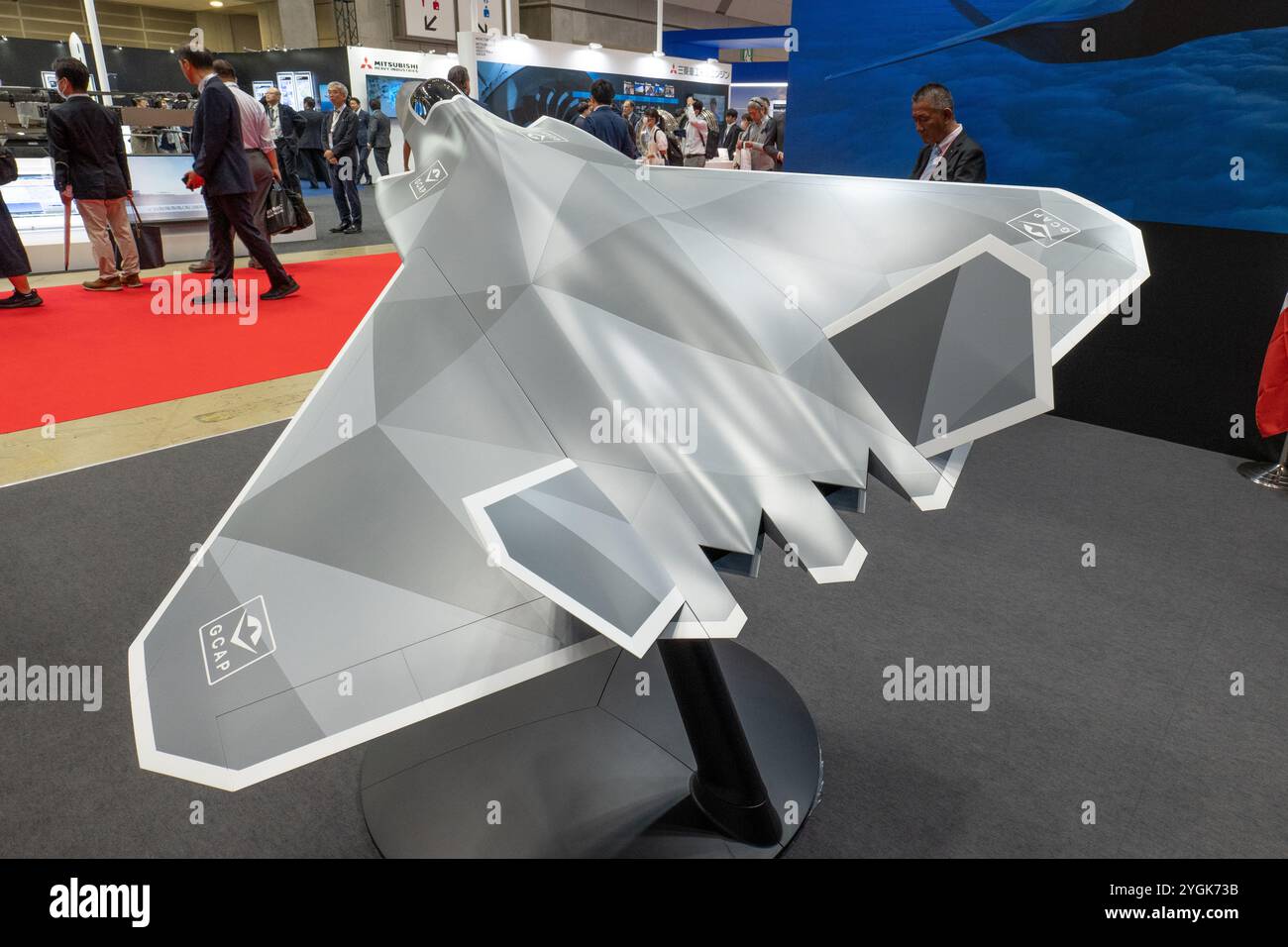
The Global Combat Air Programme (GCAP) represents an ambitious multinational effort to develop a next-generation fighter aircraft, often referred to as a “sixth-generation” combat jet. Originally established through the merger of the United Kingdom’s Tempest project and Japan’s F-X program, the initiative aims to deliver an advanced combat air system by 2035. The partnership leverages the technological expertise of industry giants such as BAE Systems, Leonardo, and Mitsubishi Heavy Industries, creating a robust framework for shared innovation and cost distribution in an era of rapidly escalating defense procurement expenses.
Understanding the Global Combat Air Programme
The GCAP initiative is designed to address the complex requirements of modern air warfare, which demand superior stealth, advanced sensor fusion, and high-speed data processing. By pooling resources, the participating nations aim to mitigate the financial burden of developing such sophisticated hardware independently. According to the UK Ministry of Defence, the collaboration is built on a shared vision of interoperability, ensuring that the final air system can function seamlessly within the broader NATO and regional security architectures.
While the focus remains on the core trio of the United Kingdom, Italy, and Japan, industry observers frequently monitor the potential for future expansion. The possibility of other European nations joining the program is a topic of frequent debate, particularly as the continent seeks to consolidate its defense industrial base. However, such expansions are subject to intricate negotiations regarding intellectual property, technological sovereignty, and long-term strategic alignment among the member states.
The Dynamics of European Defense Cooperation
European defense strategy is currently characterized by a dual approach: a commitment to NATO-led security and an increasing emphasis on “strategic autonomy.” France, a central player in European defense, has historically championed projects like the Future Combat Air System (FCAS), a separate trilateral development program involving France, Germany, and Spain. The existence of these two distinct, large-scale air combat programs—GCAP and FCAS—highlights the diverse approaches to military industrial policy within Europe.

The French Ministry for the Armed Forces continues to prioritize the FCAS program, which serves as a cornerstone for its future aerial capabilities. When discussing potential shifts in alliances or the integration of new partners into existing programs, officials emphasize the importance of maintaining technological momentum and industrial coherence. As of May 2026, there have been no formal announcements regarding a change in the primary membership of the GCAP consortium, nor has there been an official move by France to pivot away from its current commitments.
Strategic Considerations for Future Aerospace Projects
For observers tracking the development of the GCAP and other defense programs, the primary indicators of progress remain the adherence to established development timelines and the successful integration of new technologies. The target date of 2035 for the deployment of the GCAP combat system remains the guiding deadline for the project partners. Any shifts in participation or industrial scope are usually preceded by extensive intergovernmental consultations and formal treaty-level agreements.
The complexity of these aerospace programs cannot be overstated. From the development of advanced propulsion systems to the integration of uncrewed autonomous platforms, the engineering challenges require sustained, multi-year funding and political stability. As noted by the North Atlantic Treaty Organization (NATO), the interoperability of member states’ military hardware is essential for maintaining collective deterrence, a principle that continues to drive the collaborative efforts of the United Kingdom, Italy, and Japan in the aerospace sector.
Key Takeaways
- Program Scope: The Global Combat Air Programme (GCAP) is a trilateral initiative between the UK, Italy, and Japan aimed at developing a next-generation fighter jet.
- Timeline: The participating nations are working toward a target operational date of 2035 for the new combat air system.
- Industrial Strategy: The program is designed to share the substantial development costs and technological requirements of sixth-generation air combat technology.
- European Landscape: France remains focused on the Future Combat Air System (FCAS) alongside Germany and Spain, maintaining a distinct path for its defense industrial development.
As the project moves into its next phase of design and prototyping, stakeholders can expect further updates through official government portals and defense ministry communications. The focus for the remainder of 2026 will likely remain on refining the industrial structure and accelerating the research and development pipeline. Readers interested in following the progress of these defense initiatives are encouraged to monitor updates from the UK Ministry of Defence for the most accurate and timely information.
What are your thoughts on the future of European aerospace collaboration? Join the conversation by leaving a comment below or sharing this analysis with your network.
Related reading