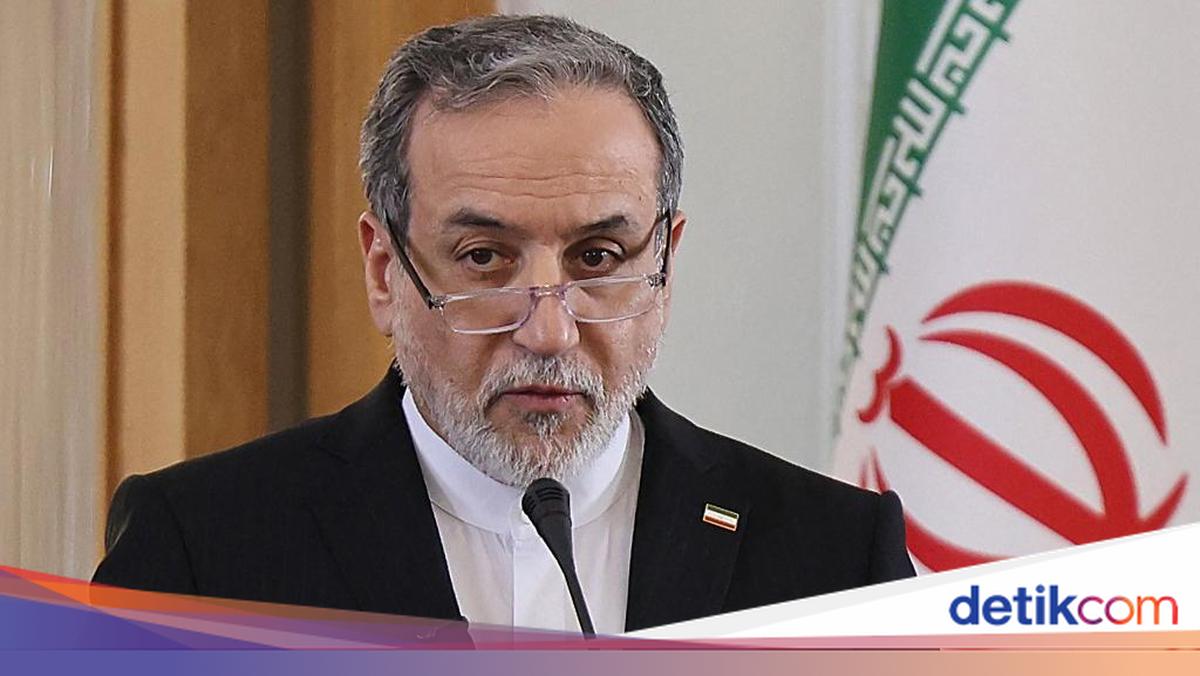
Tehran Accuses United States of ‘Excessive’ Demands in Nuclear Negotiations
TEHRAN — The Iranian government has formally accused the United States of presenting “excessive” and unreasonable demands during recent diplomatic efforts aimed at resolving the long-standing nuclear standoff. In a series of statements, Tehran has signaled a hardening of its diplomatic stance, asserting that the current trajectory of negotiations is no longer conducive to a sustainable peace agreement.
The friction comes at a time of profound regional volatility, as the gap between international oversight requirements and Iran’s claims of national sovereignty continues to widen. Rather than seeking concessions from the global community, Iranian officials have maintained that their participation in talks is strictly a matter of defending established national rights, particularly regarding their domestic energy and technological infrastructure.
This latest diplomatic impasse threatens to derail ongoing efforts to stabilize the Middle East, as both the United States and Iran appear increasingly entrenched in their respective positions. While Washington has historically sought more stringent limitations on Iran’s nuclear enrichment capabilities, Tehran characterizes these latest requirements as an overreach that exceeds any previously discussed frameworks.
The Nuclear Standoff: Sovereignty vs. Oversight
At the heart of the current crisis is a fundamental disagreement over the scope of the nuclear program demands being placed on the Islamic Republic. The Iranian Foreign Ministry has expressed significant frustration, noting that the terms currently being proposed by U.S. Negotiators are viewed as an infringement on the country’s sovereign rights.

According to diplomatic sources close to the negotiations, the core of the dispute involves:
- Enrichment Limits: The extent to which Iran must cap its uranium enrichment levels and the specific isotopic concentrations permitted.
- Verification Protocols: The depth and frequency of international inspections, which Tehran argues are being used as a tool for political pressure rather than technical verification.
- Economic Integration: The conditions under which sanctions relief would be implemented, with Tehran insisting that rights must be restored before any further “concessions” are discussed.
The Iranian government has been clear: it is not looking for a handout or a set of concessions to alleviate economic pressure. Instead, officials emphasize that they are fighting for the legal right to maintain a civilian nuclear program, a cornerstone of their national development strategy. This “rights-based” approach has created a significant hurdle for U.S. Diplomats, who are tasked with ensuring that any potential agreement provides verifiable guarantees against nuclear proliferation.
Allegations of Military Escalation and War Crimes
The diplomatic breakdown is being further exacerbated by a series of military developments in the region. Tensions have reached a critical threshold following reports of kinetic actions that have targeted sensitive facilities. Most notably, Iranian officials have leveled serious allegations of war crimes against U.S. And Israeli forces following a reported strike on the Pasteur Institute.
The allegation regarding the Pasteur Institute has added a layer of intense hostility to the negotiating table. While the specific details of the incident remain a point of contention between the involved parties, Tehran has used the event to argue that the United States and its allies are not acting in good faith. From the Iranian perspective, the targeting of what they describe as essential scientific and medical infrastructure undermines the very premise of the peace talks.
These allegations of military aggression come amidst a broader period of regional instability, where high-profile figures and strategic assets have increasingly become targets of precision strikes. This cycle of military action and diplomatic retaliation has moved the region closer to a state of open conflict, making the task of the negotiators arguably more difficult than at any point in the last decade.
A Fragile Diplomatic Landscape
The current impasse leaves the international community in a precarious position. The breakdown in talks increases the risk of a “nuclear catastrophe,” a scenario where the lack of a diplomatic framework leads to uncontrolled enrichment or sudden military intervention. As the prospects for a negotiated settlement dwindle, the focus of regional security is shifting from the halls of diplomacy to the battlefield.
For the United States, the challenge lies in balancing the demand for strict non-proliferation guarantees with the reality of a highly resistant Iranian administration. For Iran, the challenge is to maintain its technological ambitions and domestic stability while navigating the intense pressure of international sanctions and military threats.

The implications of this stalemate extend far beyond the borders of the Middle East. A failure to reach a consensus on the nuclear program has the potential to destabilize global energy markets and reshape the security architecture of West Asia for a generation. As long as the demands remain “excessive” in the eyes of Tehran and “insufficient” in the eyes of Washington, the cycle of tension is likely to continue.
The next scheduled checkpoint for diplomatic engagement remains unconfirmed, as both nations await further official communications regarding the status of the current negotiation round.
What do you think about the current trajectory of the Iran-U.S. Negotiations? Should international oversight be prioritized over national sovereignty? Share your thoughts in the comments below and share this article to join the conversation.