
As the international community monitors the ongoing conflict in the Middle East, recent diplomatic efforts appear to have reached a critical, if tenuous, juncture. Following reports of active discussions regarding a potential peace deal, the prospect of ending the current hostilities has become a primary focal point for global leaders. For those of us tracking these developments from the desk of the World Today Journal, the situation remains fluid, characterized by a delicate balance of military posturing and high-stakes negotiation.
The core of the current diplomatic discourse centers on a potential agreement to conclude the fighting between the United States and Iran. While specific terms remain under wraps, the emergence of a proposed one-page memorandum has signaled to observers that the parties are engaged in their most substantive dialogue to date. This development follows a period of intense pressure, with the United States leadership recently announcing the suspension of planned military actions to allow space for these ongoing talks. As the situation evolves, the global audience is left waiting for clarity on whether these efforts will translate into a lasting cessation of hostilities.
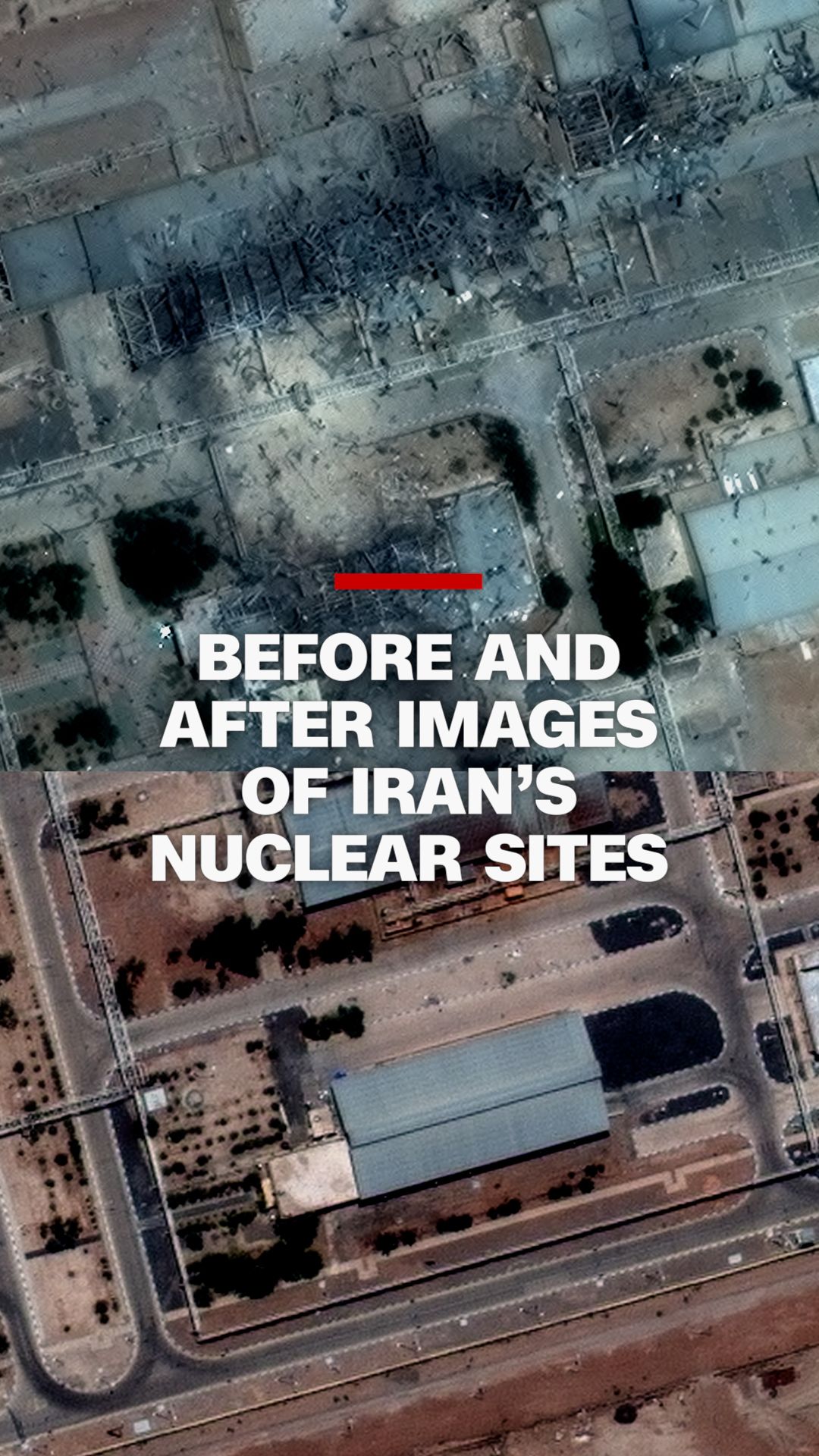
The diplomatic landscape has been further complicated by the public framing of these negotiations. While the focus remains squarely on ending the war, Tehran has maintained a consistent public position regarding the scope of these talks. According to reports from the region, Iranian officials have indicated that while they are actively conveying revised terms for a peace deal, there have been no discussions regarding nuclear matters at this stage. This distinction is significant, as it suggests a strategic attempt to isolate the conflict-resolution process from the broader, long-standing geopolitical tensions surrounding Iran’s nuclear program.
The Diplomatic “Clock” and Regional Pressure
The urgency of the current situation has been underscored by public statements from Washington, where the administration has emphasized the need for a swift resolution. In recent days, the rhetoric from the U.S. Side has been stark, with warnings issued that the time for reaching an agreement is limited. This high-pressure approach is intended to compel a decisive movement toward a settlement that would be viewed as acceptable not only to the United States but also to regional allies in the Middle East.
The involvement of Gulf Arab states has emerged as a notable factor in this process. Reports indicate that the decision to pause scheduled military strikes was made in response to requests from these regional partners, who have expressed a belief that a viable deal is within reach. This suggests that the diplomatic architecture is being supported by a coalition of regional actors who view a negotiated end to the war as essential for broader security and economic stability in the Middle East.
Despite this, skepticism remains regarding the durability of any potential agreement. Previous attempts to de-escalate the situation have often been met with shifting positions, making it difficult for international observers to gauge the true commitment of all parties involved. The administration in Washington has consistently maintained that the United States has achieved its primary military objectives, yet the reality on the ground continues to be defined by a tenuous ceasefire that could be broken at any moment.
Navigating the Path Forward
For the average citizen and the international policy community, the coming days will be decisive. The focus remains on whether the “one-page memo” can serve as a foundational document for a broader peace framework. The complexity of this conflict cannot be overstated; it involves not only the direct combatants but also a web of regional interests and global security concerns that extend far beyond the immediate theater of war.
Key areas to watch as the situation develops include:

- The Status of the Memorandum: Whether the proposed document is formally accepted or rejected by either side will serve as a clear indicator of the parties’ willingness to compromise.
- Regional Stability: The influence of Gulf Arab states in mediating these talks will likely continue to play a pivotal role in shaping the final terms of any agreement.
- The Nuclear Question: While Iran has currently excluded nuclear discussions from these specific peace talks, the international community will be watching closely to see if this remains the case should the war-ending negotiations prove successful.
At this stage, the situation remains a developing story. The international community is waiting for further confirmation from official channels regarding the timeline for these negotiations. As we look toward the next few days, the focus will be on whether the rhetoric of “serious negotiations” results in a concrete cessation of violence or if the conflict will see yet another escalation.
Moving Toward a Resolution
As we continue to report on these events, the World Today Journal remains committed to providing verified, balanced analysis. The nuances of this conflict—ranging from the logistical challenges of a ceasefire to the complex diplomatic maneuvering between Washington and Tehran—require careful observation. We encourage our readers to stay informed through official government statements and verified, high-authority reporting as the situation unfolds.
The next major checkpoint will be the release of further official statements from both Washington and Tehran, which are expected to clarify the progress made on the proposed peace memorandum. We will continue to track these updates as they become available. We invite our readers to share their thoughts and perspectives on these developments in the comments section below, as we navigate these uncertain times together.
Keep reading