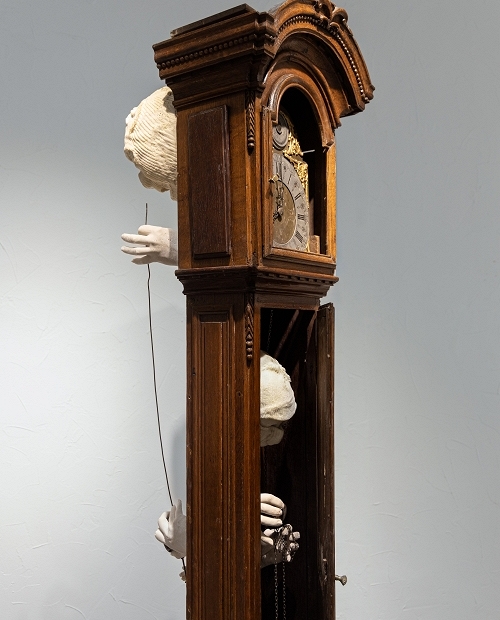
In the evolving landscape of contemporary European art, the work of Spanish sculptor Lidó Rico stands as a profound exploration of the human condition. Known for his intense, visceral approach to the figure, Rico’s practice often centers on the physical body as a primary vehicle for expression, emotion, and existential inquiry. His recent exhibition, titled Atklāsme (Revelation), has drawn attention for its thematic depth and the unique materiality that defines his creative process.
As a sports editor who frequently observes the discipline required in athletic performance, I find a fascinating parallel in the way Lidó Rico treats the human form. Much like an athlete pushes their body to the absolute limit to achieve a breakthrough, Rico’s sculptures often depict figures in states of extreme tension, transformation, or psychological exposure. The Atklāsme exhibition serves as a localized platform for engaging with these complex, often challenging, sculptural narratives.
The Artistic Philosophy of Lidó Rico
Lidó Rico’s work is frequently characterized by a departure from traditional portraiture, favoring instead a focus on the body’s raw, often uncomfortable realities. His sculptures often utilize the human subject as a canvas for broader societal concerns, ranging from the complexities of identity to the physical manifestations of internal trauma. According to the Luisa Catucci Gallery, which represents his work, Rico’s sculptures often strip away individual features through the use of masks or exaggerated, stereotypical gestures to reach a more universal, albeit intense, human truth.
Historically, the trajectory of Spanish figurative art has been deeply influenced by a desire to externalize internal anguish. Critics and art historians have noted that during the mid-20th century, artists such as Rafael Canogar and Juan Genovés pioneered the concept of escultopintura—a fusion of sculpture and painting that saw three-dimensional figures emerging from the canvas. This tradition of using the body as a “battlefield,” a term famously employed by artist Barbara Kruger to describe the intersection of politics and physical identity, informs much of the contemporary dialogue surrounding Rico’s sculptural practice.
Atklāsme: A Window into Human Experience
The Atklāsme exhibition, hosted at the Riga Bourse Art Museum, represents a significant moment for the artist’s engagement with international audiences. The museum, located in the heart of Latvia, provides a historical backdrop for Rico’s modern, often confrontational aesthetic. By presenting his work in such a setting, the exhibition invites viewers to consider how the physical body—the very vessel of our lived experience—serves as a constant site for the negotiation of modern threats and personal transformations.
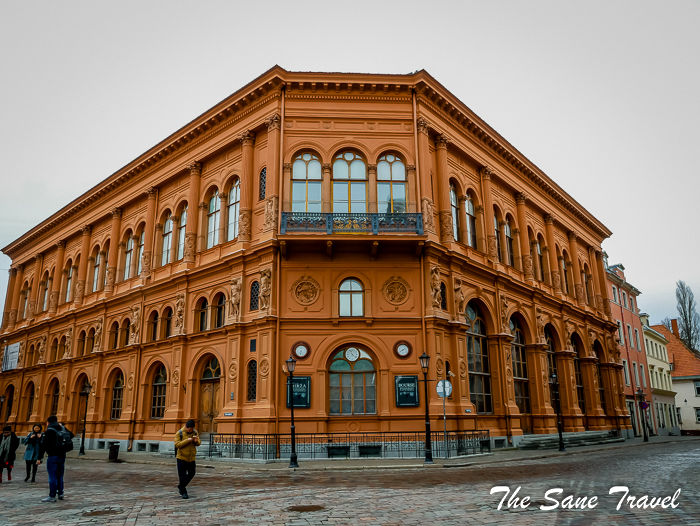
For those interested in the technical aspects of his work, Rico’s process is as meticulous as it is demanding. He often uses his own body as the primary mold, a technique that imbues his sculptures with a literal, tactile connection to the artist. This self-referential methodology reinforces the idea that the sculpture is not merely a representation of a subject, but a physicalized, frozen moment of the artist’s own presence. You can find more information regarding the exhibition’s schedule and specific works on display via the official museum portal.
Why the Body Matters in Modern Art
Why does the body remain such a central theme in the work of contemporary artists like Lidó Rico? In an era increasingly defined by digital abstraction and the ambiguity of the “cyborg” identity, the physical form serves as a grounding reality. Whether through the lens of medical history, the politics of gender, or the psychological impact of historical repression, the body remains the most immediate site of our existence.
Rico’s ability to capture the “internal agony” of the subject—as described by critics analyzing his broader body of work—resonates with anyone who has grappled with the constraints and capabilities of the human frame. His work does not aim for the decorative; it aims for the visceral. It forces the viewer to confront the body not as a static object, but as a dynamic, evolving, and often vulnerable entity.
Key Takeaways for Visitors
- Thematic Focus: Lidó Rico’s work primarily investigates the human body as a site of emotional and psychological intensity.
- Artistic Methodology: The artist frequently employs self-molding techniques to create a direct, physical link between his own form and the resulting sculptures.
- Exhibition Context: Atklāsme at the Riga Bourse Art Museum offers a rare opportunity to view these works within a curated, historical setting.
- Conceptual Depth: The sculptures engage with themes of identity, societal pressure, and the physical manifestations of internal states.
As we continue to observe the intersections of art, culture, and human performance, the work of Lidó Rico remains a vital point of reference. Whether you are an art enthusiast or a casual observer, the Atklāsme exhibition encourages a deeper reflection on what it means to be human in a rapidly changing world. I encourage our readers to visit the Riga Bourse Art Museum website for the most up-to-date information on visiting hours and exhibition access. If you have had the opportunity to view these works, please share your reflections in the comments section below.
.jpg "Lidó Rico Atklāsme")
Keep reading