The persistent challenge of transparency in healthcare payments has long been a focal point for industry leaders, yet the path to true financial clarity remains obstructed by deep-seated structural issues. For providers and payers alike, the friction in moving capital—compounded by fragmented contracts, complex claims processing, and disjointed remittance workflows—has created an environment where administrative burden often eclipses patient care. As the industry moves toward more integrated digital solutions, the conversation is shifting from simple data display to the implementation of intelligent, automated payment ecosystems.
In a recent industry discussion, Ted Ferrin, Senior Vice President of Payments Innovation at Zelis, addressed the core of this systemic complexity. Ferrin, who joined Zelis following the company’s acquisition of Rivet—the healthcare technology firm he founded and led for over eight years—emphasizes that the industry’s struggle is not merely about a lack of information. Rather, it is a consequence of legacy technology and siloed systems that prevent disparate entities from achieving a unified view of financial health. According to recent industry analysis, the administrative costs of billing and insurance-related activities represent a significant portion of healthcare spending in the United States, highlighting the urgent need for modernization in payment infrastructure as reported by experts in health policy.
Beyond Data Transparency: The Need for Operational Intelligence
True transparency in healthcare finance requires more than just making data accessible; it demands that the data be actionable. Ferrin argues that when contracts, claims, and remittances exist in disconnected systems, the resulting “transparency” is often nothing more than a static report that fails to address the underlying causes of payment delays or rework. By integrating Rivet’s provider-facing payment intelligence into the broader Zelis infrastructure, the goal is to bridge the gap between financial administrative data and actual clinical workflows.
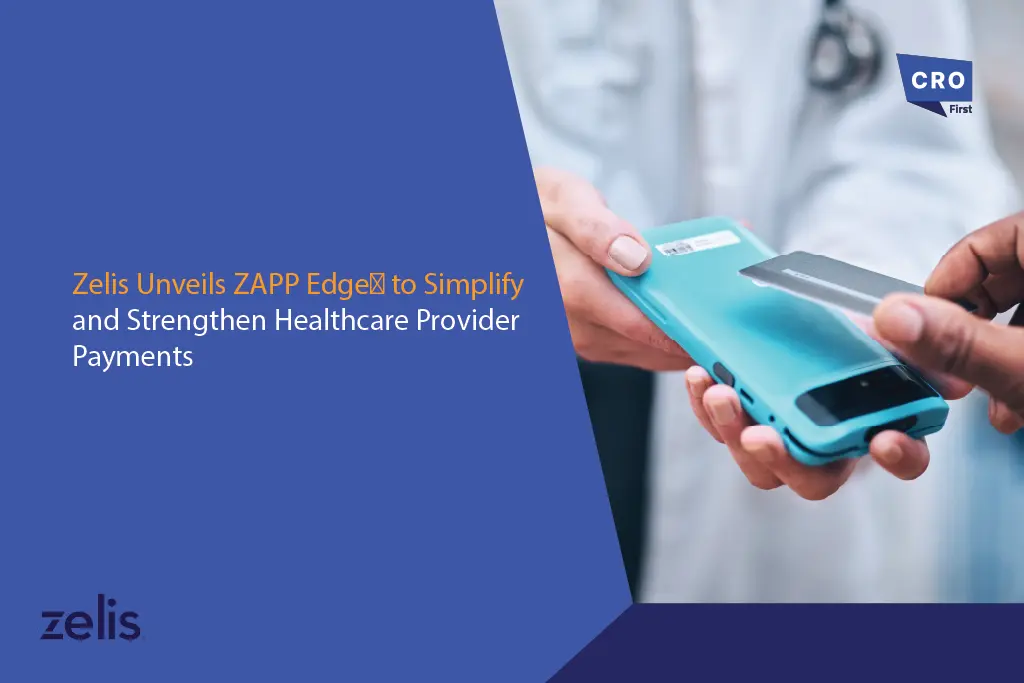
This integration focuses on embedding intelligence directly into the payment cycle. Tools such as Claims Insights and Zap Edge are designed to provide real-time visibility, allowing providers to identify discrepancies—such as underpayments or contract variances—before they become long-term accounting headaches. By automating these checks, organizations can reduce the need for manual rework, which is a primary driver of operational inefficiency. The impact of such digital transformation is significant, as modernizing payment systems is increasingly seen as a critical component of the broader effort to reduce the administrative burden on healthcare providers as outlined in federal healthcare innovation initiatives.
The Role of Structural Reform in Healthcare Finance
The fragmentation of healthcare finance is often attributed to the evolution of disparate systems over several decades. As hospitals and practices adopt various electronic health record (EHR) systems and billing platforms, the ability to maintain a “single source of truth” for financial transactions becomes increasingly difficult. This represents where payment innovation becomes a strategic necessity rather than a technological luxury.

By normalizing data across the payment lifecycle, organizations can move toward what Ferrin describes as “operational trust.” When a provider and a payer are looking at the same, clean data in real-time, the need for adversarial billing practices diminishes. Instead, the focus shifts to creating a smoother experience for all stakeholders:
- Providers: Benefit from reduced administrative overhead and faster, more accurate reimbursement cycles.
- Payers: Gain improved visibility into claim accuracy, reducing the volume of disputes and inquiries.
- Patients: Experience greater clarity regarding their financial responsibilities, which is essential for maintaining trust in the healthcare system.
Looking Ahead: Building a Sustainable Payment Infrastructure
As the healthcare sector continues to grapple with rising costs and staffing shortages, the ability to streamline back-office operations is becoming a matter of survival for many independent practices and health systems. The integration of payment intelligence is not a one-time fix but an ongoing process of refining how data is normalized and delivered within existing workflows. For medical professionals and administrators, staying informed about these technological shifts is vital for long-term sustainability.
The next major checkpoint for the industry involves the ongoing implementation of the No Surprises Act, which continues to drive changes in how payers and providers must exchange information and resolve payment disputes as mandated by the Centers for Medicare & Medicaid Services. As these regulations evolve, the reliance on automated, intelligent payment systems will likely become the standard for maintaining compliance and financial health.
We encourage our readers to engage with these developments. How is your organization navigating the complexities of healthcare payments? Share your thoughts in the comments below or join the conversation on our social channels. For those interested in following the latest updates from the intersection of technology and finance, connecting with industry leaders on professional platforms remains a valuable way to stay ahead of the curve.
Connect with and follow Ted Ferrin on LinkedIn for ongoing insights into healthcare payment innovation. Follow Zelis on LinkedIn and visit their website to learn more about their latest technological solutions.
Keep reading