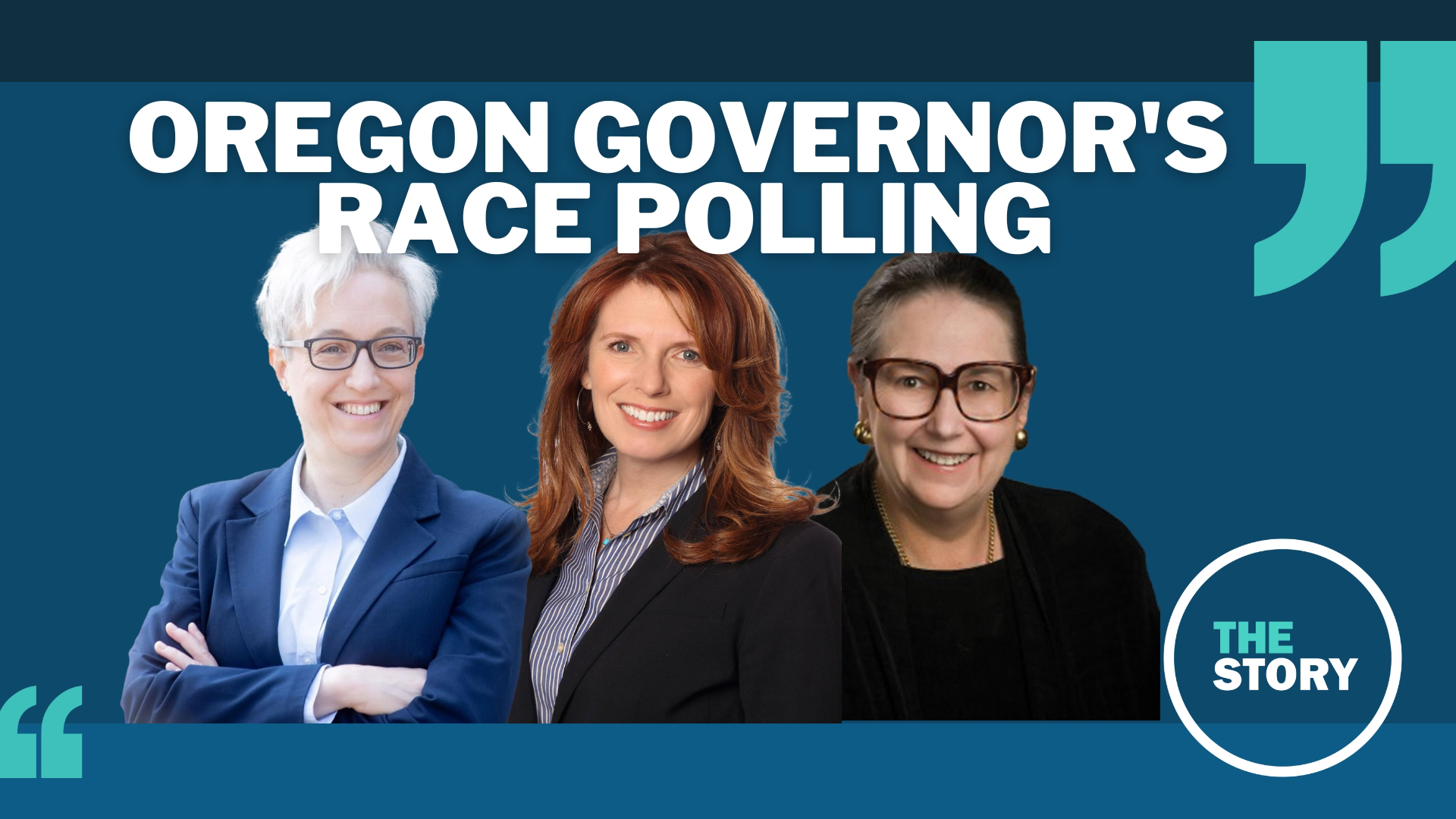
As the political landscape in the Pacific Northwest continues to shift, the prospect of a high-stakes rematch in Oregon’s gubernatorial race has moved from speculation to a central topic of discourse. Christine Drazan, a prominent figure within the Oregon Republican Party, has strategically positioned herself for another run, setting the stage for a potential confrontation with incumbent Governor Tina Kotek. This development marks a significant chapter in the state’s evolving political narrative, as both parties assess the impact of past electoral outcomes and the changing priorities of the Oregonian electorate.
The path toward a rematch is rarely straightforward, involving complex considerations of party base mobilization, campaign finance and the broader influence of national political trends on state-level contests. For observers of regional governance, the focus remains on how these candidates intend to differentiate their platforms from the previous cycle while addressing the persistent challenges facing the state, including housing affordability, public safety, and economic development. According to the Oregon Secretary of State’s Elections Division, official campaign finance filings and candidate declarations provide the definitive timeline for how these political movements take shape as the next election cycle approaches.
The Evolving Landscape of Oregon Politics
Oregon’s political environment has undergone notable changes since the 2022 gubernatorial election. Tina Kotek, a Democrat, assumed office in January 2023 following a campaign that emphasized continuity in policy and a focus on the state’s most pressing urban and rural concerns. The transition from the administration of former Governor Kate Brown to the current leadership has been marked by legislative sessions aimed at addressing the state’s housing crisis and refining public safety protocols. Detailed records of these legislative actions are available through the Oregon State Legislature’s official archive.
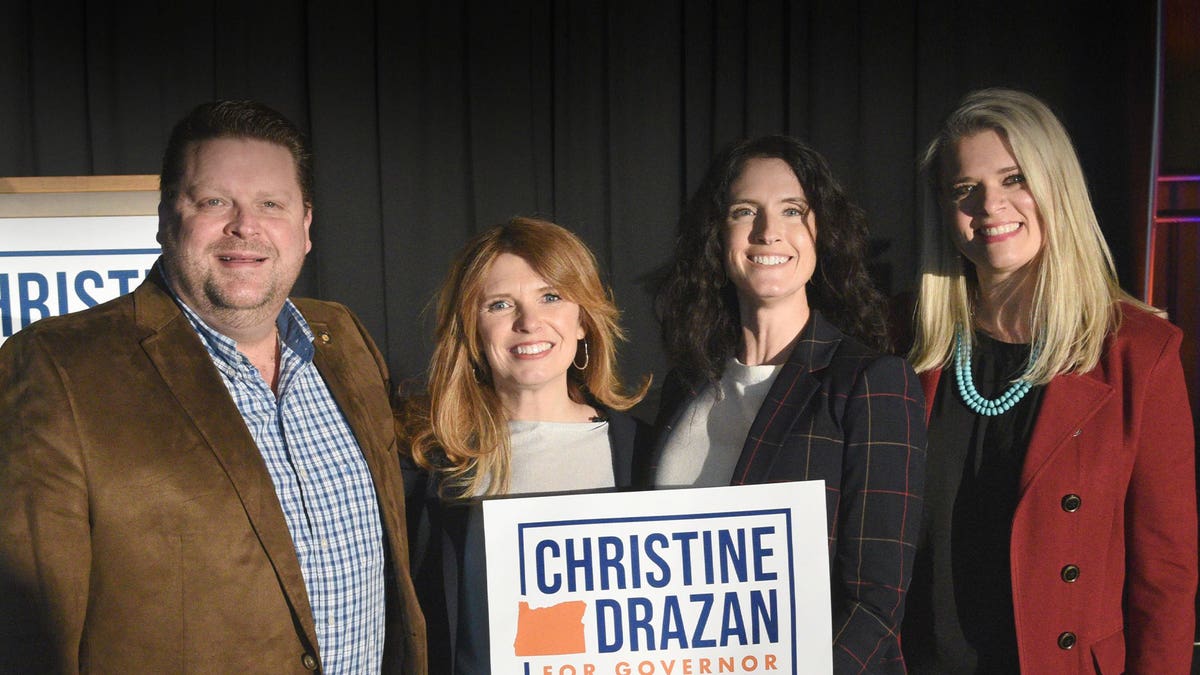
For Christine Drazan, the strategy moving forward involves synthesizing the lessons learned from her previous campaign while navigating the current Republican platform. Political analysts often point to the importance of coalition building in a state where suburban voters frequently hold the balance of power. The challenge for any challenger in this environment is to provide a compelling alternative vision that resonates across diverse regions, from the urban centers of the Willamette Valley to the rural expanses of Eastern Oregon. As documented by the Pew Research Center, shifting demographics and partisan identification continue to influence campaign strategies across all fifty states, requiring candidates to adapt their messaging to an increasingly fragmented electorate.
Strategic Positioning and Party Dynamics
The mechanics of setting up a rematch involve more than just a public declaration. they require the cultivation of a robust donor base, the alignment of party leadership, and the development of a policy agenda that can withstand intense scrutiny. Drazan’s efforts to remain a central figure in the conversation suggest a long-term commitment to reshaping the Republican Party’s influence in Salem. This approach is consistent with the standard practices of established political leaders who seek to maintain visibility and momentum in the years between major election cycles.
the influence of national political figures and the broader “Trump factor” remains a point of intense analysis for political observers. In states like Oregon, where the electorate is deeply divided between progressive urban hubs and conservative-leaning rural districts, the ability to navigate national party branding while maintaining a local focus is critical. Information regarding state-level party platforms can be reviewed through the Oregon Republican Party’s official statements and the Democratic Party of Oregon’s recent policy platforms, which outline the starkly different paths each organization proposes for the state’s future.
What Lies Ahead for the Electorate
As the state moves toward future electoral milestones, the interest in the Kotek-Drazan dynamic underscores the intensity of the current political climate. Voters are increasingly focused on tangible results regarding the cost of living and the state’s infrastructure. The ability of the incumbent to deliver on campaign promises, versus the ability of the challenger to effectively critique those efforts, will likely define the contours of the next campaign.
For citizens looking to stay informed, the Oregon Voters’ Guide serves as a primary resource for understanding the official positions and backgrounds of candidates as they emerge. The coming months will likely see an increase in public appearances, policy white papers, and debates that will further clarify the stakes for the next gubernatorial term. Whether or not this rematch officially materializes on the ballot, the groundwork being laid today provides a clear window into the priorities of Oregon’s major political players.
We invite our readers to join the conversation regarding the future of Oregon’s leadership. What issues do you believe should be at the forefront of the next gubernatorial campaign? Share your thoughts in the comments section below, and ensure you are registered to participate in upcoming elections by visiting the official state portal.