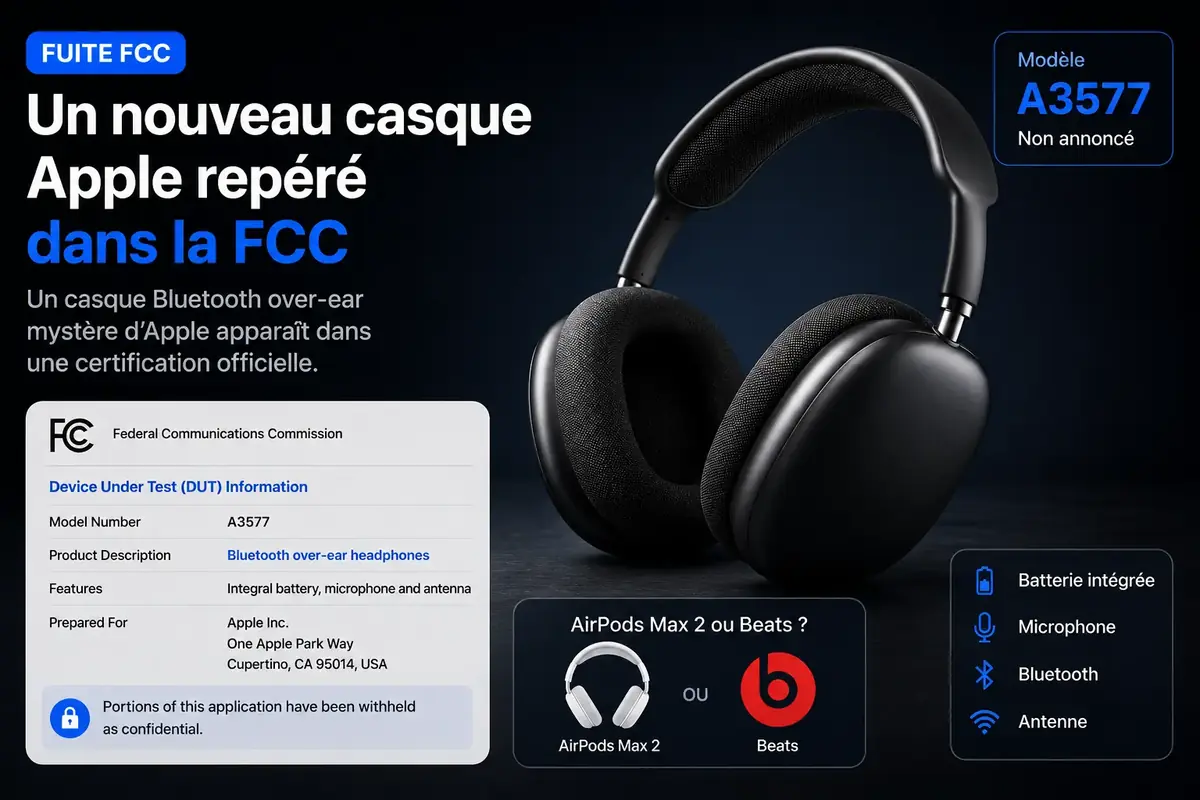
The landscape of consumer audio continues to evolve at a rapid pace, with manufacturers constantly balancing the demand for high-fidelity sound against the need for comfort, and accessibility. While industry giants like Apple frequently capture headlines—often through regulatory filings that spark speculation about future hardware—the broader market is seeing a surge in innovation from brands that prioritize budget-friendly, high-performance alternatives. For many consumers, the focus has shifted toward finding versatile devices that bridge the gap between premium features and everyday utility.
Recent activity in the tech sector highlights a dual trend: the anticipation surrounding potential new releases from major ecosystem players and the established success of specialized audio brands. As we monitor the latest developments in personal audio technology, it becomes clear that whether a user is looking for the cutting-edge integration of a flagship device or a specialized open-ear design for long-term comfort, the current market offers a diverse array of options that meet a variety of needs. Understanding these nuances is essential for any consumer looking to make an informed investment in their next audio upgrade.
Regulatory Filings and the Speculation Cycle
In the world of consumer electronics, regulatory filings are often the first sign that a company is preparing to refresh its product lineup. When documentation appears in the records of the Federal Communications Commission (FCC), it serves as a formal indicator that a device has moved from the conceptual stage to the final phases of testing and compliance. These filings are mandatory for any electronic device that utilizes wireless communication, ensuring that products meet safety and interference standards before they can be sold to the public. You can track current and historical filings through the official FCC Equipment Authorization database.
For observers of the industry, these records are a primary source of insight into what might be coming next. However, it is important to distinguish between confirmed product announcements and the speculative analysis that often follows the discovery of an FCC identifier. While a filing provides concrete data regarding frequency ranges, power output, and physical hardware characteristics, it rarely reveals the full marketing narrative or the final user experience of the device in question. As we approach the mid-year point in 2026, the technology community remains vigilant for official statements from manufacturers regarding these updates.
The Evolution of Open-Ear Audio
Beyond the speculation regarding flagship brands, there has been a notable shift toward open-ear audio technology. This design philosophy, which keeps the ear canal unobstructed, is increasingly popular among users who need to maintain situational awareness while enjoying high-quality sound. Recent market activity demonstrates that brands such as EarFun are actively expanding their portfolios to include specialized models like the Clip 2, which cater to this specific demand for comfort and transparency.
The technical requirements for these devices are rigorous. To provide a satisfying listening experience while remaining open, manufacturers must employ precise acoustic engineering. This includes the implementation of advanced drivers and software-driven sound management to ensure that audio remains clear despite the lack of a physical seal. For those interested in the technical specifications and performance testing of such devices, resources like the official EarFun product pages provide detailed insights into how these features—such as adaptive noise cancellation and high-resolution audio support—are integrated into contemporary hardware.
Key Considerations for Choosing Personal Audio
When navigating the current market, consumers should consider several critical factors to ensure their choice aligns with their lifestyle:
- Situational Awareness: Open-ear designs are ideal for outdoor activities, whereas closed-ear models with active noise cancellation (ANC) are better suited for focused work or travel.
- Compatibility: Always check for support for modern codecs like LDAC or LE Audio, which significantly impact the clarity and stability of the wireless connection.
- Battery Longevity: Look for devices that offer balanced power management, especially if you require extended playback time for daily commutes or long work sessions.
- App Support: Modern earbuds often rely on companion applications for firmware updates and sound customization, making the quality of the software ecosystem just as important as the hardware itself.
Looking Ahead: The Future of Consumer Electronics
As we look toward the remainder of 2026, the intersection of software-defined audio and hardware innovation will likely continue to define the market. Whether it involves the integration of artificial intelligence for real-time translation or the refinement of adaptive noise cancellation, the goal remains the same: providing a seamless, high-quality audio experience. Consumers are encouraged to stay updated through official channels and verified regulatory databases to ensure they have the most accurate information before making a purchase.
The rapid pace of these developments ensures that there is always something new to explore in the tech space. We invite our readers to share their thoughts on the current trends in personal audio and what features they prioritize most when selecting their next set of headphones or earbuds. As more information regarding upcoming industry releases becomes available through official channels, we will continue to provide balanced, expert analysis to keep you informed. Join the conversation in the comments section below and let us know which audio technologies you are most excited to see in the coming months.
Worth a look
- Exploring Jupiter’s Moon Europa: Challenges of Probing Its Subsurface Ocean
- Menzies Updates Fans on Health Ahead of World Matchplay
- Affordable Food That Significantly Boosts Your Health, According to Doctor (newsdirectory3.com)
- Hazar Imam Joins Canadian Leaders to Support Affordable Housing and Healthy Aging (archynewsy.com)