
For young Europeans looking to make a meaningful impact while developing their professional and personal skill sets, the European Solidarity Corps (ESC) offers a unique pathway for civic engagement. Among the various initiatives supported under this framework, projects focused on the promotion of literacy and community education play a vital role in fostering social cohesion. One such example of this mission in action is found in Manosque, France, where organizations like Éclat de Lire have historically engaged volunteers to support the local dissemination of literature and reading culture.
The European Solidarity Corps is a European Union initiative designed to create opportunities for young people to volunteer or work in projects that benefit communities and people around Europe. Managed by the European Commission, the program aims to promote solidarity as a core value, encouraging participants to contribute to societal challenges while gaining invaluable intercultural experience. Detailed information regarding the program’s legal framework, eligibility criteria, and current open calls can be found via the official European Youth Portal.
Understanding the European Solidarity Corps
At its core, the ESC facilitates placements that can range from a few weeks to twelve months. These projects cover a diverse spectrum of sectors, including environmental protection, social inclusion, and the promotion of cultural heritage. For participants, the experience is not merely about the service provided but also about the linguistic and professional development that occurs through immersion in a new European environment. The European Union provides financial support for these placements, which typically covers travel, insurance, and a monthly allowance for personal expenses, ensuring that participation remains accessible regardless of a candidate’s socioeconomic background.
Organizations hosting volunteers, such as those dedicated to reading promotion, must adhere to strict quality standards set by the European Union. These standards ensure that volunteers receive adequate training, mentorship, and supervision throughout their service period. By aligning local organizational goals with the broader objectives of the European Solidarity Corps, these projects help strengthen the European project at the grassroots level.
Promoting Literacy Through Community Action
The promotion of reading is a fundamental pillar for social and cognitive development. In Manosque, France, the work carried out by associations like Éclat de Lire highlights how local efforts can benefit from international collaboration. By hosting volunteers through the ESC, such associations gain fresh perspectives and cultural diversity, while volunteers gain hands-on experience in project management, event coordination, and educational outreach. This exchange of knowledge is central to the philosophy of the ESC, which seeks to build a more inclusive and connected European society.
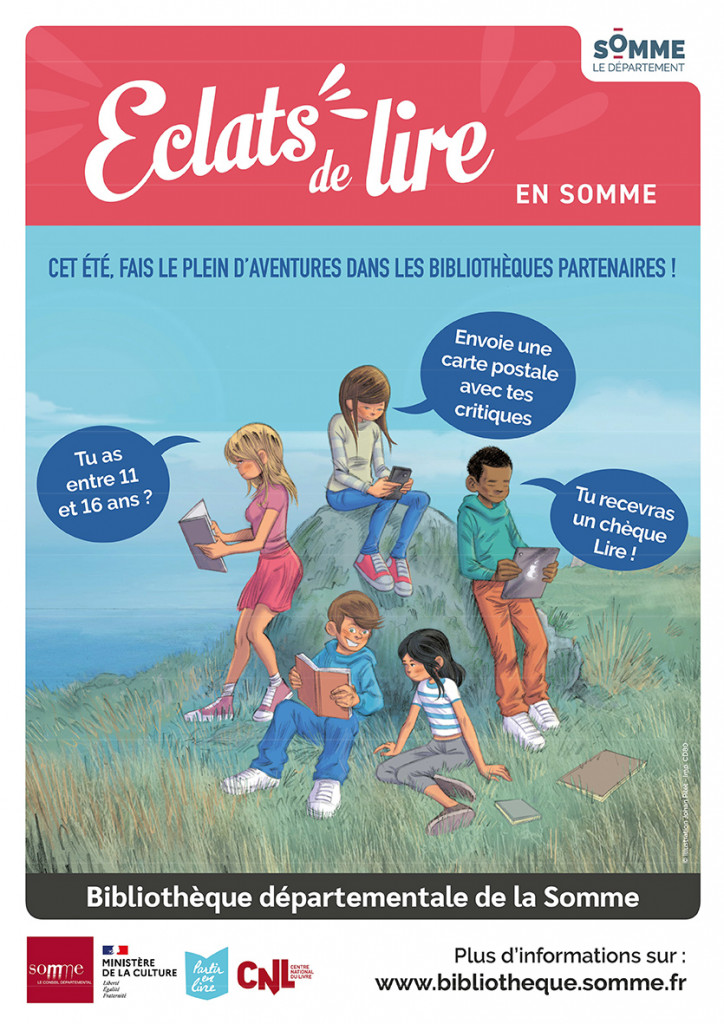
Volunteers participating in literacy-focused projects often assist in managing community libraries, organizing storytelling sessions for children, or coordinating literary festivals. These activities are designed to encourage a lifelong love of learning and to bridge gaps in educational access. According to the European Commission’s guidelines on the program, such activities must demonstrate a clear contribution to the community and provide the volunteer with a structured learning path that is documented through the Youthpass certificate upon completion of the service period.
How to Engage with ESC Opportunities
For those interested in joining a project, the process begins on the European Youth Portal. Candidates must first create an account and complete their profile, which serves as a digital CV for participating organizations to review. The selection process is competitive and managed directly by the hosting organizations rather than by the European Commission itself. Prospective volunteers are encouraged to:
- Research the mission and values of the hosting organization to ensure a strong fit.
- Review the specific requirements regarding language skills and duration of the project.
- Prepare a motivation letter that highlights how their specific skills and interests align with the project’s goals.
The commitment required for these projects varies, with many international placements lasting between six and twelve months. As of May 2026, the European Union continues to emphasize the importance of mobility as a tool for personal growth, with ongoing updates provided through the European Youth Portal news section. Staying informed through official channels is the most reliable way to track new calls for volunteers and policy updates regarding the future of the Solidarity Corps.
Looking Ahead: The Future of Youth Mobility
The success of the European Solidarity Corps is measured not only by the number of placements filled but by the long-term impact on the participants and the communities they serve. As the European Union continues to refine its youth strategies, the focus remains on ensuring that these experiences remain high-quality, inclusive, and relevant to the evolving needs of the labor market and society. For those currently considering a period of volunteering, the next steps involve monitoring the database for upcoming projects and engaging with local youth information centers.

The next official updates regarding program expansions and funding cycles for the 2027 period are expected to be released by the European Commission in the coming months. We encourage our readers to stay connected with the European Youth Portal for the latest developments. If you have experience with volunteering in Europe or are currently in the application process, please share your thoughts or questions in the comments section below.
Worth a look