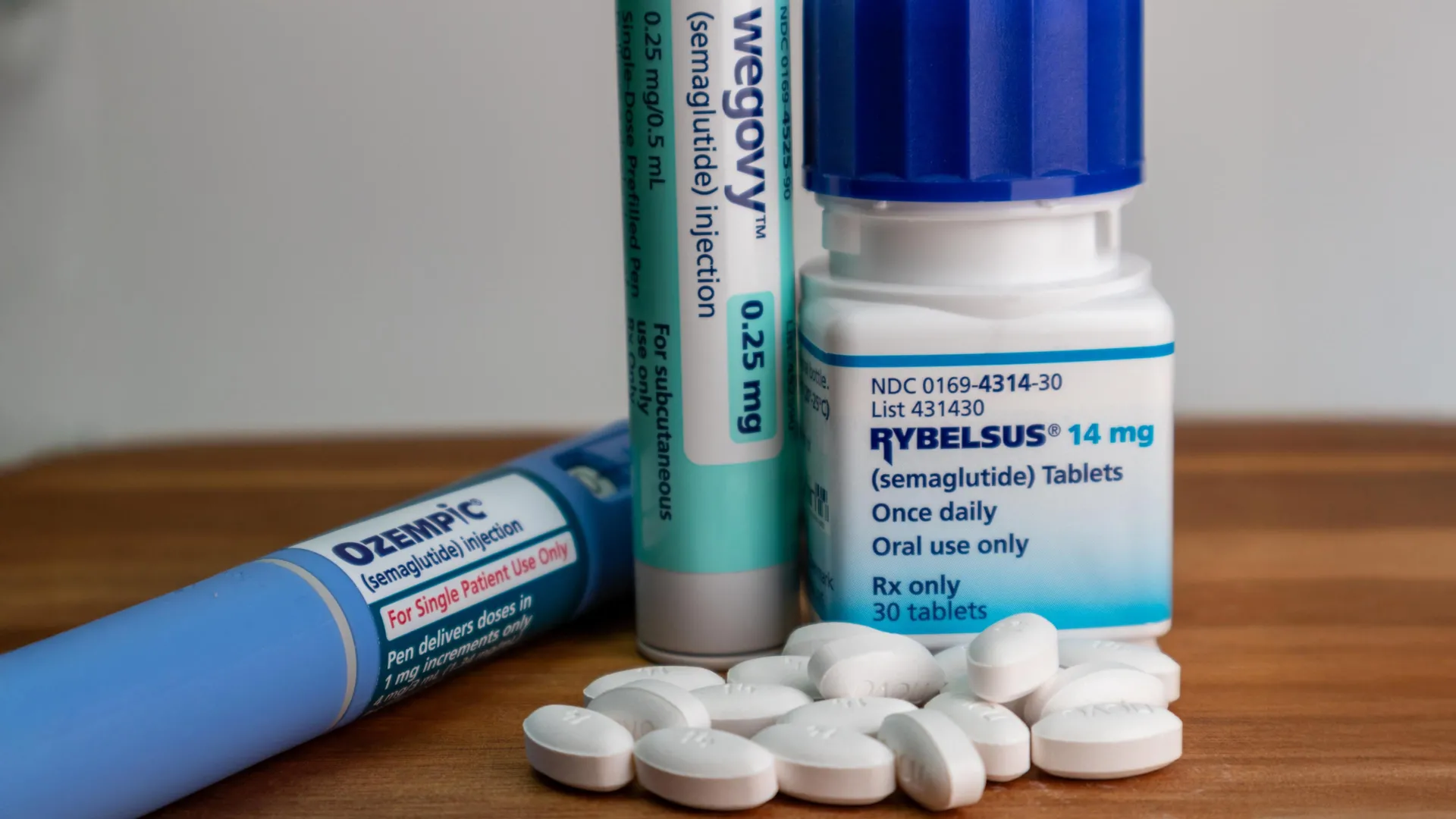
As the use of GLP-1 receptor agonists continues to expand globally for weight management and metabolic health, members of the medical community are scrutinizing reports regarding potential side effects. A recent focus has turned toward a rare but significant ocular condition known as non-arteritic anterior ischemic optic neuropathy (NAION), which some researchers have linked to the use of semaglutide-based medications. This condition, often referred to as an “eye stroke,” can lead to sudden, painless vision loss in one eye.
The conversation surrounding these findings highlights the importance of ongoing pharmacovigilance as these drugs see widespread adoption. While semaglutide is a well-established treatment for type 2 diabetes and obesity, clinicians are increasingly focused on understanding the full safety profile of these therapies, particularly as patients and providers weigh the benefits of weight loss against potential, albeit rare, risks.
Understanding Ischemic Optic Neuropathy
Non-arteritic anterior ischemic optic neuropathy, or NAION, occurs when blood flow to the optic nerve is compromised. The optic nerve acts as the vital cable connecting the eye to the brain, and when its blood supply is restricted—a process similar to how a stroke affects the brain—the result can be permanent vision damage. It’s considered the most common form of acute optic neuropathy in individuals over the age of 50, though it remains a rare event in the general population.
Medical researchers have been investigating whether certain systemic medications might influence the risk of developing this condition. In a study published in the journal JAMA Ophthalmology, researchers conducted a matched cohort analysis of 16,827 patients to evaluate the incidence of NAION among those prescribed semaglutide compared to those taking non-GLP-1 weight-loss or diabetes medications. The findings indicated a higher risk of NAION in patients prescribed semaglutide, prompting further discussion within the ophthalmology and endocrinology fields regarding clinical monitoring. You can review the full findings in the peer-reviewed study published by JAMA Ophthalmology.
Data Analysis and Safety Signals
The investigation into potential adverse events often relies on large-scale databases, such as the U.S. Food and Drug Administration’s (FDA) Adverse Event Reporting System (FAERS). By examining these reports, which are submitted by patients, healthcare professionals, and pharmaceutical manufacturers, researchers look for “signals”—patterns that suggest a potential link between a drug and a specific health outcome that warrants further study.
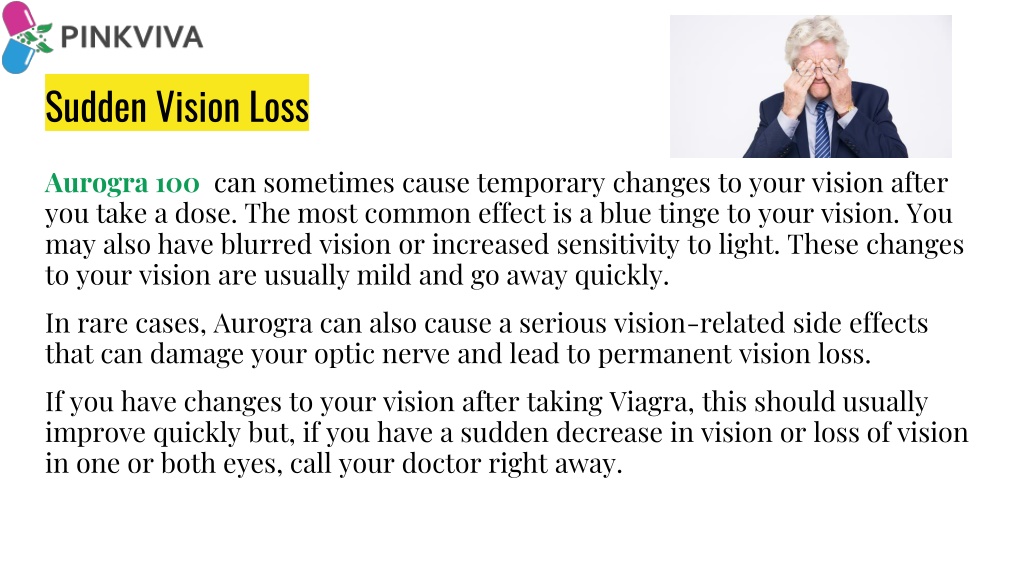
observational studies and database analyses are designed to identify associations rather than prove definitive causation. Factors such as pre-existing conditions—including hypertension, diabetes, and sleep apnea—are known risk factors for NAION. Distinguishing whether a medication itself contributes to the risk or if the underlying conditions being treated are the primary drivers remains a complex challenge for medical researchers.
Clinical Perspectives and Patient Guidance
For patients currently prescribed semaglutide, health experts emphasize that the absolute risk of experiencing an eye stroke remains very low. The primary recommendation from the medical community is to remain vigilant regarding sudden changes in vision. If a patient experiences a sudden, painless loss of vision in one eye, it should be treated as a medical emergency requiring an immediate evaluation by an ophthalmologist or an emergency department.
Physicians typically discuss the known side-effect profile of any medication during the initiation of treatment. As with any chronic therapy, maintaining regular communication with a healthcare provider is essential. Patients are encouraged to use official resources to stay informed about their medications, including the FDA’s official website for drug safety communications and product labeling updates.
Next Steps for Medical Research
The medical community is calling for more comprehensive, longitudinal research to better characterize the safety of semaglutide and other GLP-1 receptor agonists. Because these medications have transformed the landscape of obesity and diabetes treatment, the goal of such research is to provide clearer guidance for clinicians and patients alike.
Future updates may emerge from ongoing post-marketing surveillance and larger prospective studies. As more data becomes available, regulatory bodies and medical associations will continue to update their clinical guidelines. We will continue to monitor official reports and peer-reviewed literature for further developments on this topic.
Are you a healthcare provider or a patient navigating these concerns? We encourage you to share your experiences or questions in the comments section below. Stay informed by subscribing to our health newsletter for the latest updates on medical research and public health news.
Related reading