Diplomatic efforts between the United States and Iran remain in a state of extreme volatility as both nations navigate a complex impasse regarding regional security and nuclear policy. As of late May 2026, the ceasefire between the two powers is being described by the White House as being on “massive life support,” following a breakdown in communication over proposed peace frameworks and regional stability in the Persian Gulf.
The current friction, centered on competing demands and the logistics of uranium enrichment, has created a tense atmosphere for global energy markets. With the Brent crude international benchmark recently recorded at $104 per barrel, the stakes for international stakeholders—particularly major energy consumers—have never been higher. The ongoing diplomatic struggle highlights the fragile nature of current U.S.-Iran relations, where progress is frequently interrupted by mutual accusations of bad faith and “unreasonable” demands.
The Core Points of Contention
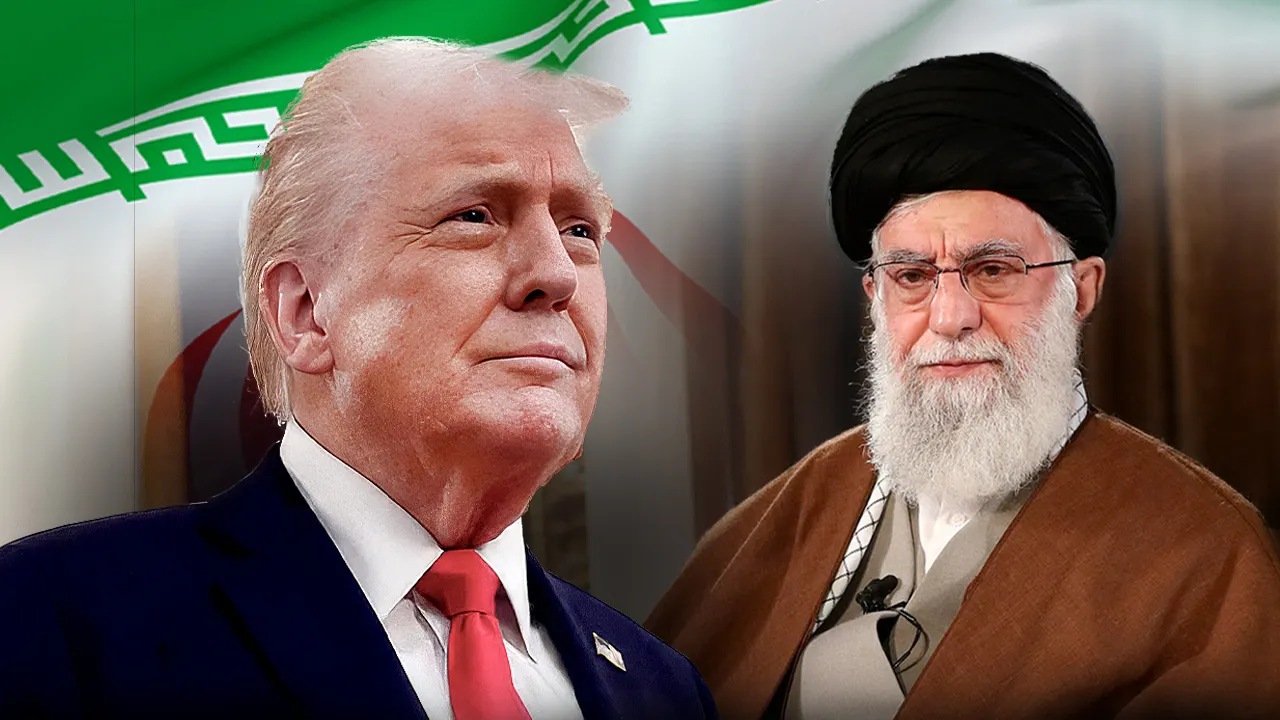
The primary hurdle in the current negotiations involves the management of Iran’s enriched uranium stockpile. According to recent statements from the Oval Office, the two sides had previously reached a point of potential agreement regarding the transfer of these materials. However, officials noted that the arrangement collapsed because the terms were not formalized in a binding document, leading to a reversal by Tehran. President Donald Trump has publicly characterized the situation as a failure of the Iranian leadership to maintain their commitments, labeling their recent peace proposals as unacceptable.
For its part, Tehran has dismissed the latest U.S. Offers as “one-sided,” arguing that Washington’s expectations are excessive and fail to account for Iran’s security concerns. This gap in expectations has stalled what many observers hoped would be a path toward long-term de-escalation. The impasse is further complicated by the broader geopolitical environment, where the United States is balancing its regional strategy with the necessity of maintaining stability in global energy supply chains.
Economic and Geopolitical Implications
The fluctuation in oil prices remains a critical indicator of the market’s reaction to the diplomatic deadlock. As energy prices hover near $104 a barrel, the economic pressure on both the U.S. And its international partners intensifies. The situation is particularly sensitive as the U.S. Administration engages in high-level state visits, including current discussions with China, a significant consumer of energy sourced from the Persian Gulf. The ability of the U.S. To secure a diplomatic solution is seen not just as a matter of regional peace, but as a vital component of global economic stability.
Despite the current deadlock, the administration maintains that a diplomatic resolution remains “very possible.” President Trump has expressed a belief that Iranian leadership is capable of changing its position, though he simultaneously leveled sharp criticism at the integrity of the current negotiations. This combination of public skepticism and a stated commitment to diplomacy defines the current U.S. Posture: maintaining a hard line on security requirements while keeping the door open for a potential, albeit elusive, breakthrough.
Looking Ahead: The Path of Diplomacy
The international community continues to monitor these developments closely, as the absence of a formal, written agreement leaves the region in a state of suspended animation. With the ceasefire described as “unbelievably weak,” the risk of further kinetic incidents remains a primary concern for regional analysts and global powers alike.
The next phase of these negotiations will likely depend on whether either side is willing to adjust its core demands regarding the uranium stockpile or if the impasse will persist as a long-term feature of the current administration’s foreign policy. As of May 24, 2026, no new formal summit or deadline for a secondary proposal has been publicly confirmed by the White House or the Iranian Ministry of Foreign Affairs. Observers are advised to look for official readouts from the Department of State for any changes in the status of these high-stakes discussions.
We invite our readers to share their perspectives on the evolving situation in the Persian Gulf in the comments section below. As this story continues to develop, we remain committed to providing updates based on verified official statements and international reporting.
Keep reading