
New York City is currently navigating a complex evolution in its approach to correctional infrastructure, often colloquially referred to as the city’s “jailscraper” initiative. This architectural and policy-driven shift represents a significant move away from the aging, decentralized facilities of the past toward a model of modern, high-rise detention centers. As the city works to overhaul its justice system, the focus has increasingly turned to how the built environment impacts both the incarcerated population and the surrounding urban landscape.
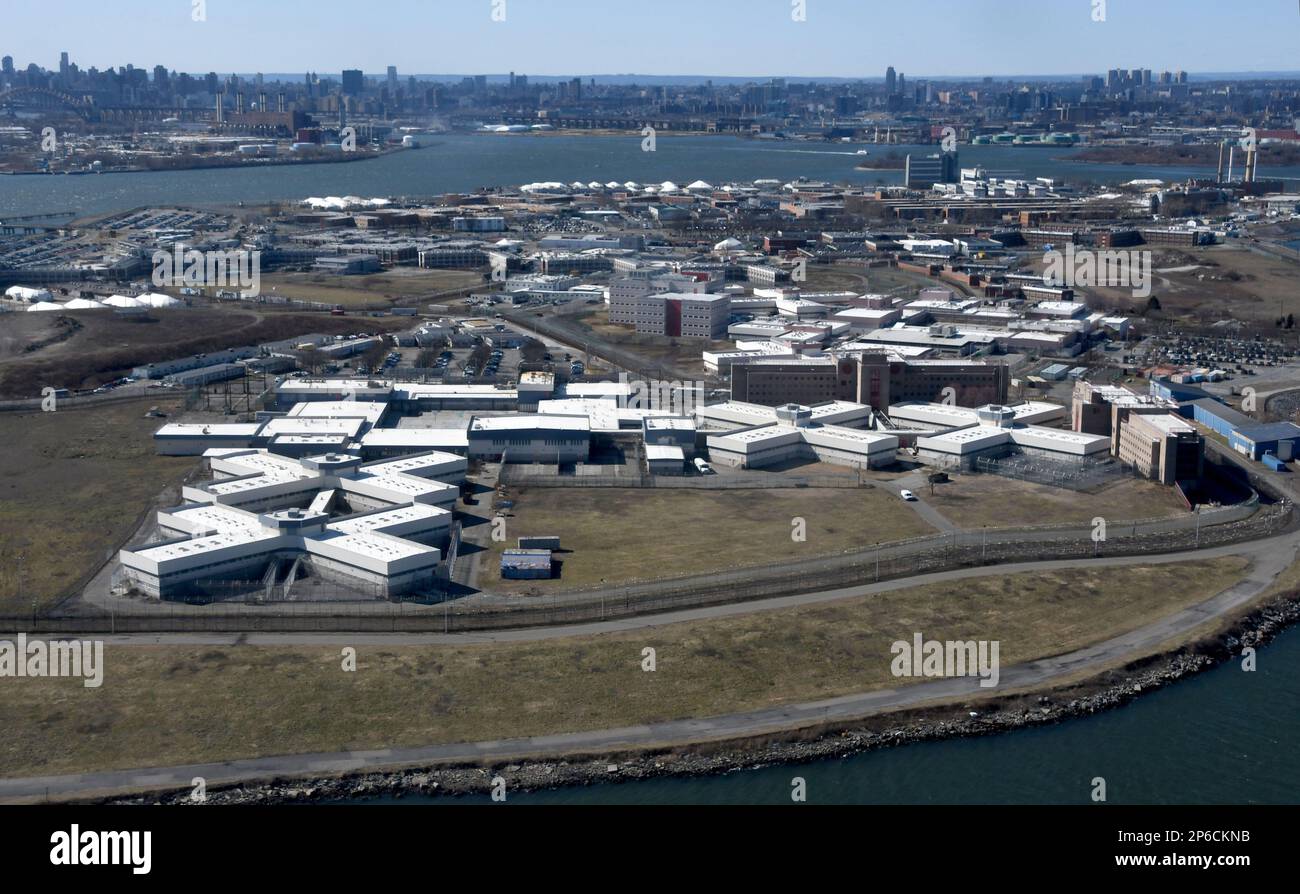
The transformation is part of a broader, multi-year plan aimed at closing the facilities on Rikers Island. This transition involves the construction of new, borough-based jails designed to facilitate better access to courts, legal counsel, and family members. From an economic and urban planning perspective, these projects represent some of the most significant public works investments in the city’s recent history, requiring a delicate balance between public safety mandates and the logistical realities of dense urban development.
The Shift to Borough-Based Detention
The core of this strategy is the replacement of the isolated Rikers Island complex with four modern facilities located in Manhattan, Brooklyn, Queens, and the Bronx. Proponents of this “jailscraper” model argue that the vertical design is a necessary response to the physical constraints of New York City’s real estate market. By building upward, the city aims to integrate these facilities into the urban fabric, theoretically improving the efficiency of the justice process by placing detainees closer to the courtrooms where their cases are heard.
The New York City Department of Design and Construction (DDC) is tasked with overseeing the implementation of these facilities. The projects are governed by a series of legal and budgetary mandates, including the City Council’s 2019 vote to authorize the borough-based jail system. This legislative action set the stage for a total project cost that has been subject to ongoing scrutiny, with estimates reaching into the billions of dollars as the city navigates construction inflation, site logistics, and evolving design requirements.
Economic and Social Implications
As a business editor, I view the “jailscraper” not merely as a correctional project, but as a massive infrastructure undertaking with ripple effects across the construction sector, local labor markets, and municipal bond obligations. The scale of these builds necessitates rigorous oversight of public-private partnerships and procurement processes. The economic impact extends to the surrounding neighborhoods, where the integration of these towers has sparked debates regarding gentrification, property values, and the long-term vision for city services.
The human element remains central to the discussion. Advocates for justice reform emphasize that the design of these facilities—including natural lighting, dedicated spaces for educational programs, and improved visitation areas—is intended to foster a more rehabilitative environment. Critics, however, have raised concerns about the potential for high-density vertical facilities to replicate the systemic issues found in older, horizontal structures if the operational culture within the walls does not shift alongside the architecture.
Key Considerations for Stakeholders
- Infrastructure Investment: The projects represent a long-term capital commitment by the city, with the Office of Management and Budget (OMB) providing ongoing fiscal updates regarding project timelines and budgetary adjustments.
- Urban Integration: Architects are tasked with designing structures that satisfy stringent security requirements while attempting to maintain a visual presence that is less imposing than traditional penitentiaries.
- Legal and Regulatory Compliance: Each site must adhere to a complex array of zoning laws, environmental impact statements, and correctional standards set by both state and municipal authorities.
Looking Ahead: The Path to Completion
The timeline for the completion of these facilities remains a moving target, subject to periodic adjustments based on site-specific challenges, such as the demolition of existing structures and the complexities of deep-foundation construction in a dense urban environment. The city continues to provide updates through the official borough-based jails website, which serves as the primary portal for public information, environmental reviews, and upcoming community hearings.
For investors, policymakers, and local residents alike, the coming months will be critical. The next phase of development will involve the awarding of major construction contracts and the commencement of vertical structural work on several sites. As these towers rise, the city faces the dual challenge of managing a massive capital project while proving that a vertical approach can indeed lead to a more effective and humane justice system.
We invite our readers to share their perspectives on the intersection of urban planning and justice reform in the comments section below. As this story develops, we will continue to monitor the financial and operational milestones of these projects to ensure our readers have the most accurate, up-to-date information available.
Keep reading