
For over a decade, the climate change conversation has been haunted by a worst-case projection known as RCP 8.5. This high-emissions scenario, which once suggested the possibility of 4°C to 5°C of global warming by 2100, served as a foundational, albeit controversial, benchmark for thousands of climate impact studies. However, the scientific community has recently taken a definitive step to recalibrate the narrative, officially retiring this pathway from the scenarios that will inform the upcoming Intergovernmental Panel on Climate Change (IPCC) Seventh Assessment Report, which is currently slated for release in 2029.
The decision to move away from RCP 8.5—a move recently detailed in the journal Geoscientific Model Development—reflects a significant shift in how researchers view our collective future. By acknowledging that the high-emissions trajectory is now considered “implausible” due to shifts in global energy policy, the rapid expansion of renewable technology, and updated emissions trends, scientists are signaling that the most catastrophic versions of the climate crisis are no longer the most likely outcomes. Instead, the current central scientific estimate points toward approximately 2.8°C of warming by the end of the century, a finding that offers a more realistic, if still challenging, view of the road ahead.
Understanding the Shift in Climate Modeling
To understand why this change matters, one must first understand what RCP 8.5 was designed to be. Introduced in 2011 as part of a set of Representative Concentration Pathways, it was intended as a “no-policy” baseline—a stress test to help scientists envision a world where fossil fuel consumption continued to expand unchecked. It assumed a future where coal use would rise significantly and the global population would climb toward 12 billion. It was a vision of extreme risk, often compared to a “Ghost of Christmas Future” designed to illustrate the worst possible consequences of inaction.
However, the distinction between a “stress test” and a “forecast” became increasingly blurred in both public discourse and media coverage. Between 2011 and 2020, thousands of studies utilized RCP 8.5 as a default, leading to widespread reporting on scenarios involving extreme heat, mass displacement, and severe crop failure. While these projections were technically consistent with the RCP 8.5 parameters, they were frequently mischaracterized as the most probable “business as usual” outcome, despite global trends moving in a different direction.
The Data Behind the Retirement
The retirement of this pathway is grounded in measurable shifts in the global economy. For instance, global coal consumption has not followed the exponential growth curve once projected; instead, it has largely plateaued. The United Nations now projects a global population of approximately 10.2 billion by 2100, a figure notably lower than the 12 billion once used in high-emissions models. These demographic and energy-use adjustments are critical to understanding why the highest-emissions pathway no longer aligns with current global trajectories.
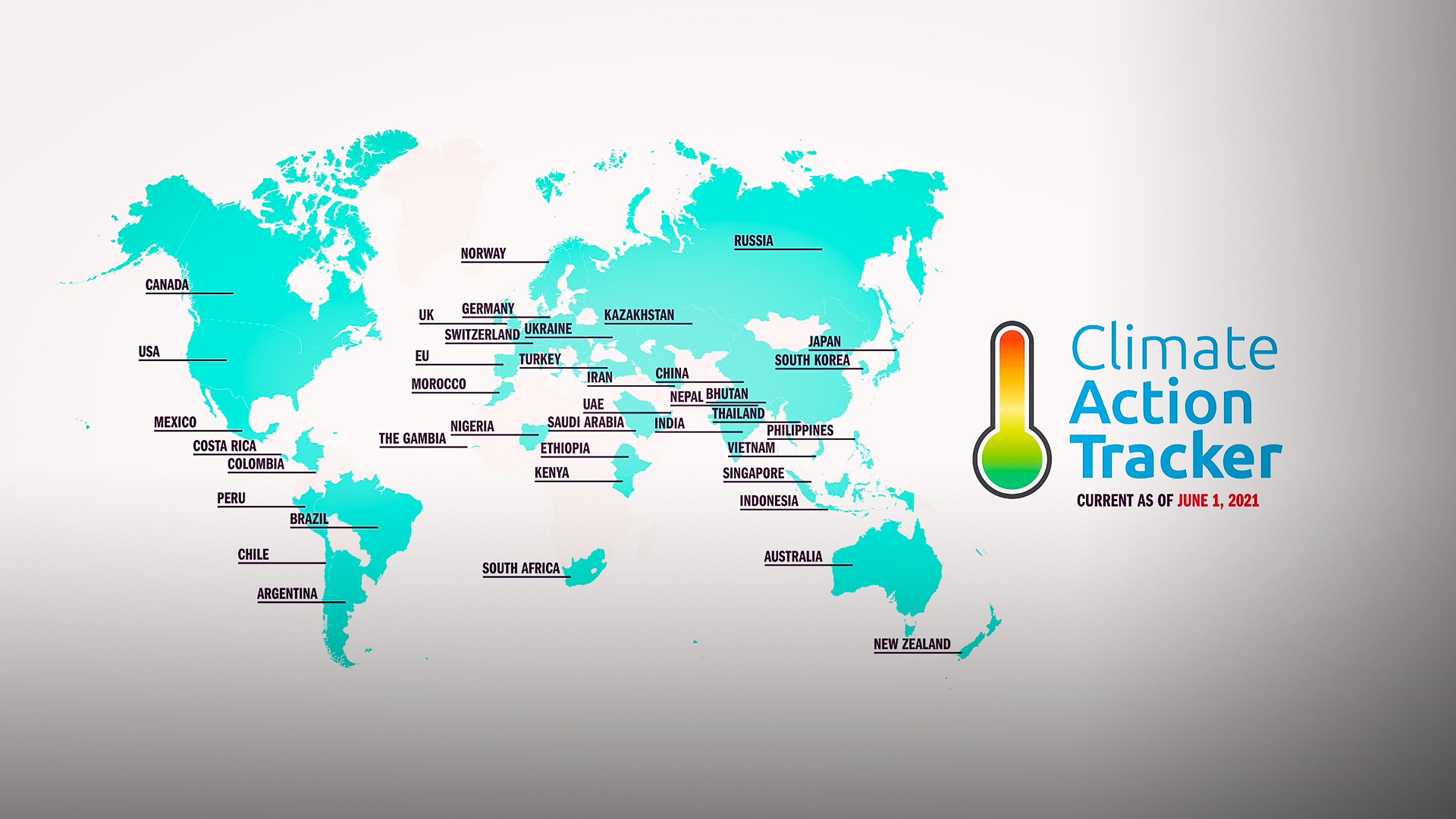
The transformation of the energy sector has been equally decisive. The cost of solar energy, for example, has plummeted by roughly 85% since the RCPs were first introduced, and annual global investment in the energy transition has surpassed $2 trillion. As noted by the Climate Action Tracker, current global policies place the planet on a trajectory for roughly 2.6°C of warming by 2100. While this remains a serious concern for global ecosystems and climate stability, it represents a meaningful departure from the 4°C or 5°C outcomes that previously dominated the conversation.
Navigating the Future of Climate Reporting
The retirement of RCP 8.5 has sparked a vigorous debate among experts regarding the history of these models. Some researchers argue that the scenario was a plausible baseline in 2011, rendered obsolete only by the subsequent, rapid acceleration of clean energy deployment and policy changes. Others, such as political scientist Roger Pielke Jr., have contended that the trajectory of decarbonization has been relatively consistent for decades, suggesting that the most extreme scenarios were never truly representative of likely outcomes.
Regardless of the historical debate, the consensus among the scientific community is that the focus must now shift toward more realistic, policy-aligned pathways. The new central estimate of 2.8°C still carries significant risks, including the continued decline of coral reefs, increased water scarcity, and rising sea levels. This transition does not negate the difficulty of the climate challenge; the world remains off track to meet the 1.5°C or 2°C limits established by the 2015 Paris Agreement.
As the academic and scientific communities continue to refine their models, the focus will turn toward the preparation of the Seventh Assessment Report. This document remains the primary mechanism for synthesizing global climate research for policymakers. While the retirement of RCP 8.5 provides a more accurate picture of our current trajectory, it also underscores the reality that the future remains contingent upon active, ongoing decisions regarding energy policy, infrastructure investment, and international cooperation.
For those tracking these developments, the scientific community will continue to provide updates through official publications and public briefings. Readers are encouraged to monitor the IPCC website for official announcements regarding the timeline for the upcoming assessment report and related scientific findings. We welcome your thoughts on how evolving climate models should be communicated to the public—please share your perspective in the comments below.