As a physician, I have observed a concerning shift in how adolescents perceive their bodies and their relationship with nutrition. The modern nutritional landscape for teenagers is increasingly defined by a paradox: while rates of childhood obesity are rising globally, there is a simultaneous, alarming trend of body image distortion among adolescents who fall within a healthy weight range. This phenomenon, often driven by intense social pressure and digital influence, is pushing many young people toward restrictive eating habits that are medically unnecessary and potentially harmful to their development.
The pressure to conform to narrow beauty standards, often amplified by social media, can lead to what clinicians call “body image distortion.” Even when medical assessments confirm a child is at a healthy weight, the internal perception of being “too heavy” can trigger dangerous cycles of dieting, skipping meals, or excessive exercise. Understanding this tension between nutritional reality and psychological perception is essential for parents, educators and healthcare providers alike.
The Growing Gap Between Perception and Reality
The medical community defines childhood obesity based on Body Mass Index (BMI) percentiles, which account for age and sex. According to guidance from the World Health Organization (WHO), childhood obesity is one of the most serious public health challenges of the 21st century. However, the conversation often shifts from clinical health markers to aesthetic ideals when it reaches the adolescent population. Adolescents are in a critical period of physical and cognitive development, making them particularly vulnerable to societal messages regarding body size.
When healthy-weight adolescents begin to view their bodies through a lens of dissatisfaction, the risks are significant. Restrictive dieting during puberty can lead to nutritional deficiencies, stunted growth, and a higher risk of developing clinical eating disorders. The challenge for parents is to distinguish between healthy lifestyle changes—such as increasing physical activity and choosing whole foods—and disordered eating behaviors that stem from a distorted self-image.
Navigating the Digital Influence on Body Image
Digital environments play a substantial role in shaping how teenagers perceive their own health. Algorithms often prioritize content that promotes extreme diet culture or unrealistic aesthetic standards, which can exacerbate feelings of inadequacy. For many teenagers, the constant exposure to curated images creates a false baseline for what a “normal” body looks like.

The American Psychological Association has noted that social media use can be associated with body dissatisfaction among adolescents. As an editor and a physician, I stress that it is crucial to facilitate open dialogues about media literacy. Helping teenagers understand that digital images are often manipulated or curated can be a powerful tool in protecting their mental well-being and preventing the onset of body image distortion.
Clinical Perspectives on Adolescent Nutrition
From a clinical standpoint, the focus for any adolescent should be on metabolic health and energy levels rather than the number on a scale. Pediatricians generally advise that any significant dietary change for a minor should be supervised by a medical professional. This ensures that the adolescent receives the necessary macronutrients and micronutrients required for bone density, brain development, and hormonal balance.

If you are concerned about your child’s eating habits or their relationship with their body, the most effective step is to consult a primary care physician or a registered dietitian. These professionals can provide an objective assessment of a child’s health status. For those interested in learning more about the medical standards for healthy growth, the Centers for Disease Control and Prevention (CDC) offers growth charts that are used globally to track development patterns accurately.
Key Takeaways for Families
- Focus on Function: Encourage conversations about what the body can do rather than how it looks.
- Prioritize Whole Foods: Shift the focus from “dieting” to “nourishment,” ensuring a balanced intake of nutrients.
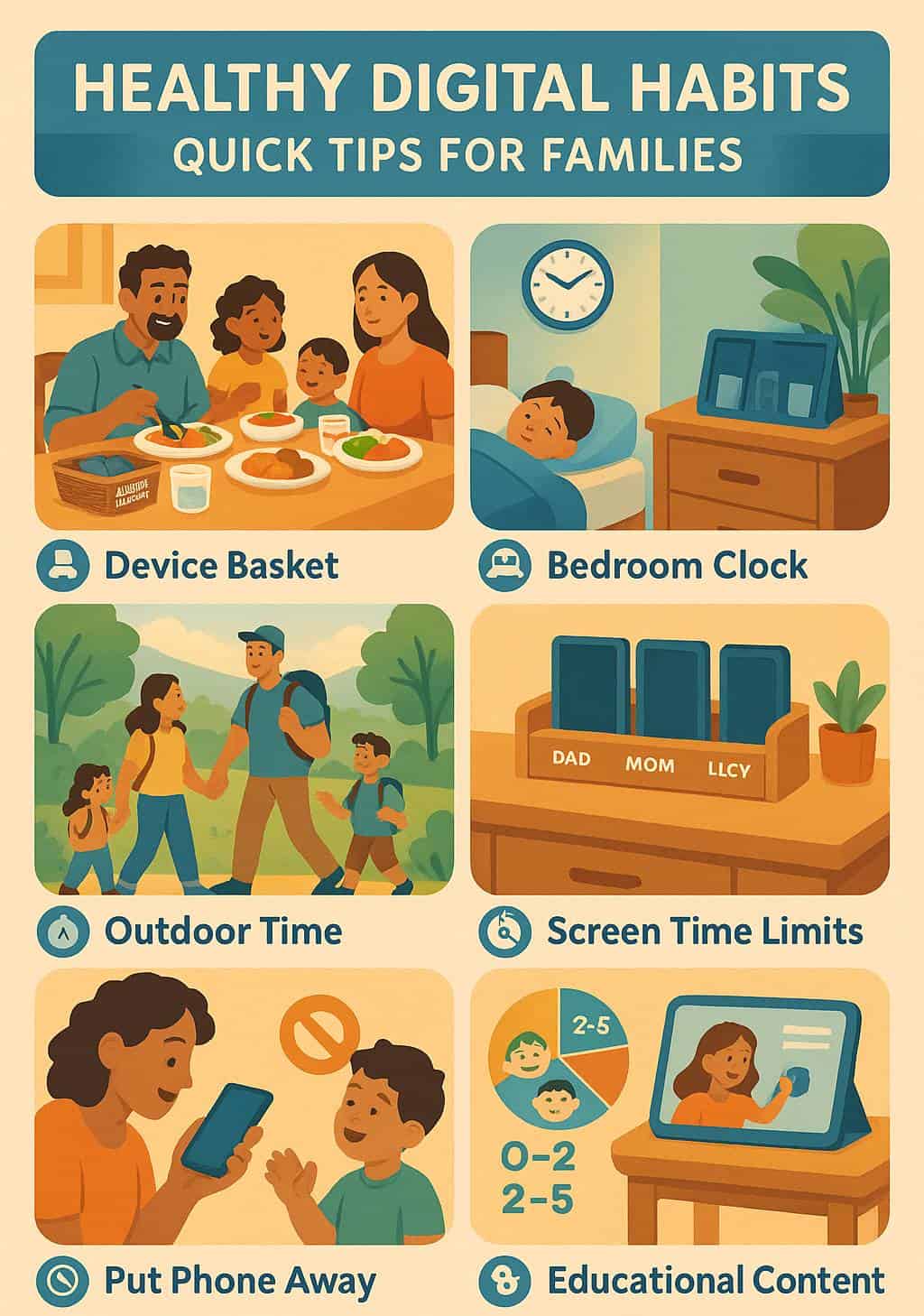
- Monitor Digital Habits: Help teenagers curate their social media feeds to include positive, diverse body representations.
- Seek Professional Guidance: If you notice signs of restrictive eating or extreme anxiety regarding weight, consult a pediatrician early.
As we continue to navigate the complexities of adolescent health in a digital age, the goal remains clear: to foster environments where children can grow into healthy adults, free from the burden of unrealistic body expectations. We will continue to monitor updates from global health organizations regarding adolescent nutrition and mental health policies. Please share your thoughts or questions in the comments section below as we continue this vital conversation.