In the field of emergency medicine and wilderness survival, the efficacy of thermal regulation equipment can often be the deciding factor in patient outcomes. Among the specialized tools utilized by first responders, the Blizzard EMS Blanket Flat Pack—specifically the BPS-210 model—has emerged as a notable piece of equipment designed for rapid deployment in high-stakes environments.
As a technology journalist, I frequently examine how material science advancements integrate into life-saving hardware. The Blizzard EMS Blanket is engineered using Reflexcell technology, a multi-layer material designed to provide thermal insulation by trapping warm air and reflecting body heat back to the user. Understanding the technical specifications and intended use cases for such gear is essential for professionals tasked with pre-hospital care and emergency evacuation.
Engineering for Thermal Protection
The core of the Blizzard EMS Blanket’s utility lies in its construction. Unlike traditional emergency foil blankets, which are often single-use and fragile, the BPS-210 model is designed for durability and ease of handling in adverse weather conditions. The Blizzard Survival product line, which includes these blankets, is manufactured with a focus on protecting individuals from hypothermia, a critical concern in both clinical transport and remote rescue scenarios.
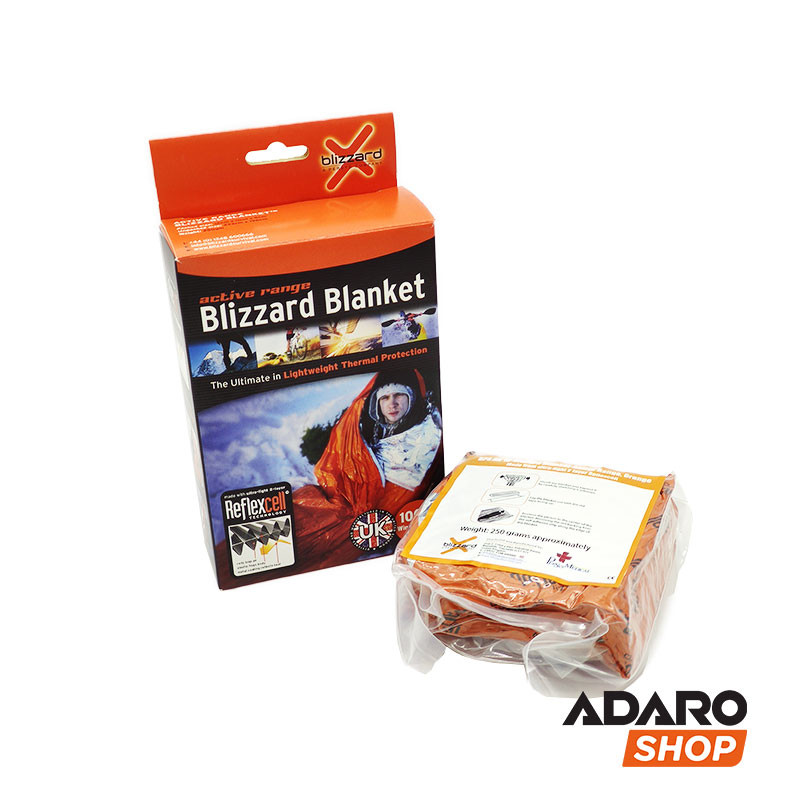
The “Flat Pack” designation refers to the product’s storage configuration. By compressing the blanket into a compact, flat profile, responders can integrate the equipment into standard trauma kits or emergency medical bags without occupying significant space. This design choice addresses a common challenge in emergency logistics: balancing the need for comprehensive medical supplies with the physical constraints of portable gear.
The Role of Reflexcell Technology
Reflexcell is the proprietary material technology that distinguishes this blanket from standard heat-reflective sheets. According to the manufacturer’s technical documentation, the material consists of several layers of metalized film that are joined together to create a cellular structure. This structure serves two primary functions: it minimizes convective heat loss by trapping air and reduces radiant heat loss by reflecting infrared energy back toward the patient.
.jpg "Manta De Supervivencia Blizzard")
In practice, this means that the blanket acts as an active thermal barrier. For emergency medical services (EMS) personnel, this is vital when managing patients suffering from trauma or exposure. Maintaining core body temperature is a standard protocol in the prevention of the “lethal triad” of trauma—acidosis, coagulopathy, and hypothermia—which can significantly complicate patient survival in the field.
Field Utility and Deployment
The BPS-210 is designed for rapid deployment, a necessity when every second counts during a medical emergency. The material is windproof and waterproof, providing a robust shell against environmental elements. When assessing the suitability of such equipment, professionals often look for the following characteristics:
- Compactness: The flat-pack design ensures the item remains accessible within standard medical pouches.
- Thermal Efficiency: The multi-layer construction offers superior insulation compared to single-layer alternatives.
- Durability: The material is intended to withstand the rigors of field use without tearing easily under stress.
While gear such as the Blizzard EMS Blanket provides a high level of protection, it is intended to be used as part of a broader clinical strategy. Proper training in patient assessment and environmental management remains the most critical component of successful emergency response.
Considerations for Procurement and Safety
For organizations looking to equip their teams, it is important to source gear from authorized suppliers to ensure the authenticity and performance of the technology. The BPS-210 is widely recognized in professional circles for its consistent performance in the United Kingdom and internationally. When evaluating thermal equipment, always consult the manufacturer’s official support channels for guidelines regarding shelf life, storage conditions, and specific use-case recommendations.

It is also worth noting that while these blankets are highly effective, they are not a substitute for active heating measures in prolonged exposure scenarios. They serve as a critical passive insulation tool that buys time for responders to transport the patient to a definitive care facility.
Conclusion
The evolution of emergency medical equipment continues to prioritize portability and high-performance materials. The Blizzard EMS Blanket, with its focus on Reflexcell technology and compact storage, remains a staple for those who operate in unpredictable environments. By understanding the mechanics of how this equipment functions, responders can make informed decisions that enhance patient safety and improve outcomes in critical situations.
For the latest updates on emergency medical standards and equipment guidelines, professionals should monitor the National Association of Emergency Medical Technicians (NAEMT), which provides ongoing education and policy guidance for the field. We encourage our readers to share their experiences with different thermal management tools in the comments section below, as peer-to-peer insights remain invaluable for the broader medical community.