As we navigate the intersection of classical literature and modern stage performance, the enduring works of Federico García Lorca continue to serve as a cornerstone of the Andalusian cultural identity. Known for his profound exploration of human passion, tragedy, and the restrictive societal norms of his time, Lorca’s plays remain essential study for both students and theater enthusiasts. Among his most significant contributions to Spanish drama are La casa de Bernarda Alba and Bodas de sangre, two works that frequently anchor the regional theater scene in Andalusia.
For those interested in how these literary pillars are brought to life by emerging talent, the cultural agenda in Andalusia often highlights the efforts of youth theater groups. By reinterpreting these classic narratives, young performers provide a contemporary lens through which to examine Lorca’s timeless themes. Understanding the historical and social context of these plays is vital for appreciating their continued resonance in the 21st century.
The Enduring Legacy of Federico García Lorca
Federico García Lorca remains one of the most influential figures in 20th-century Spanish literature. Born in Fuente Vaqueros, Granada, his work is deeply intertwined with the landscape and traditions of Andalusia. According to the Spanish Ministry of Culture and Sport, Lorca’s dramatic output is characterized by a unique blend of folk elements, surrealist imagery, and a relentless critique of the oppressive structures governing rural life in Spain during the early 1900s.
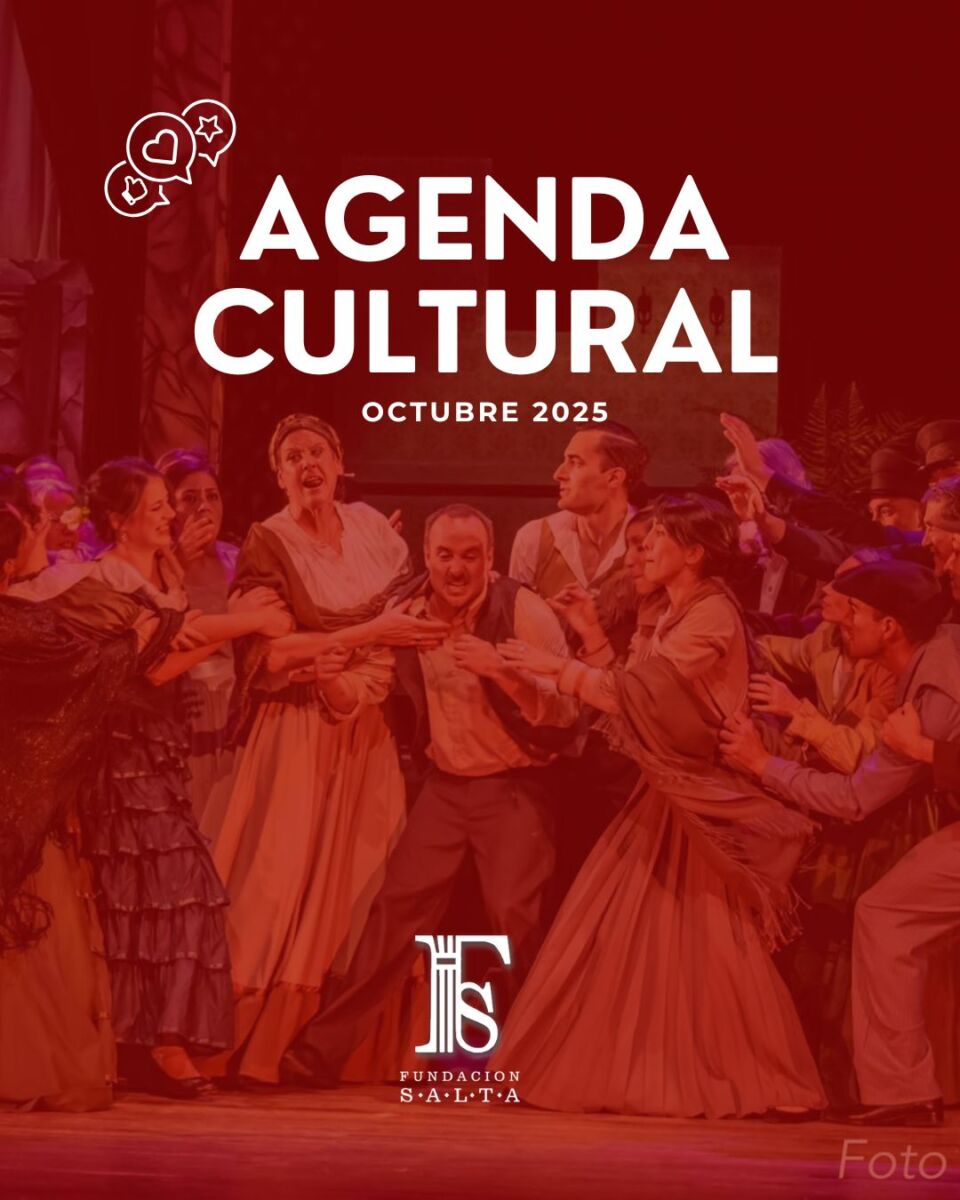
Bodas de sangre (Blood Wedding), premiered in 1933, is a visceral tragedy that explores the inevitability of fate and the destructive power of uncontrolled passion. It stands as a testament to Lorca’s ability to weave poetic language into the fabric of dramatic conflict. Conversely, La casa de Bernarda Alba, written in 1936, serves as a stark, claustrophobic examination of female repression under the iron rule of a tyrannical matriarch. Together, these plays represent the pinnacle of Spanish dramatic writing and remain staples of the international theatrical repertoire.
Youth Theater and Cultural Preservation
The inclusion of Lorca’s works in the repertoires of youth theater groups is a vital component of cultural education in Southern Spain. By engaging with these texts, young actors are tasked with interpreting complex emotional landscapes and mastering the cadence of Lorca’s distinct prose. This process of artistic immersion helps to preserve the linguistic and cultural heritage of the region, ensuring that the next generation of performers remains connected to their dramatic roots.
Educational institutions and local theaters often coordinate these productions to foster a deeper understanding of the social issues addressed in the plays. When youth groups present these works, they often focus on the universal nature of the characters—Bernarda’s obsession with reputation and the bride’s struggle between duty and desire—allowing modern audiences to see reflections of their own societal challenges in 20th-century scripts.
Key Themes in Lorca’s Masterpieces
To fully appreciate these productions, it is helpful to understand the core thematic elements that Lorca embedded within his writing. Researchers from the Instituto Cervantes note that Lorca’s work frequently utilizes symbols—such as the moon, horses, and water—to represent life, death, and fertility. These symbols are not merely decorative; they are essential to the narrative progression of his tragedies.
- The Conflict of Tradition vs. Desire: In Bodas de sangre, characters are often torn between the rigid expectations of family honor and their own instinctual passions.
- Social Oppression: La casa de Bernarda Alba highlights how silence and isolation can be used as tools of control within a domestic sphere.
- The Role of Fate: Lorca’s characters rarely escape their predetermined paths, a hallmark of the Greek tragic tradition adapted to the Andalusian rural setting.
Planning Your Cultural Itinerary in Andalusia
For visitors traveling to Andalusia to engage with its rich theater culture, it is recommended to monitor local government cultural portals for upcoming performance schedules. The Andalusian Regional Government maintains an official agenda through the Agencia Andaluza de Instituciones Culturales, which provides comprehensive listings of theatrical, musical, and literary events throughout the region.
When attending performances, particularly those hosted in historic venues or by local youth collectives, it is advisable to check for ticket availability well in advance, as these productions are often highly anticipated by the local community. Whether you are a student of literature or a casual theater-goer, the experience of watching Lorca performed in his native land offers a unique perspective that cannot be replicated elsewhere.
Practical Information for Theater-Goers
If you are planning to attend a performance in Andalusia, keep the following tips in mind to ensure a smooth experience:
- Verify Venue Details: Always confirm the specific theater location via the official cultural portal, as performances may move between regional centers.
- Check Performance Language: While Lorca’s plays are performed globally, local productions in Andalusia are almost exclusively in Spanish.
- Review Accessibility: Many historic theaters in Andalusia have updated their facilities; check the venue’s website for information regarding accessibility services.
The next major regional cultural updates will be posted via the official Andalusian cultural portal later this season. We encourage our readers to share their experiences attending local theater productions in the comments section below, as we continue to track how these classic works influence contemporary artistic movements across the globe.