
For decades, society has viewed weight loss primarily through the lens of willpower, operating under the simplified advice to eat less and move more. However, modern science demonstrates that weight management is deeply rooted in human biology rather than personal discipline. According to research reported by ScienceDaily, early human ancestors relied on body fat as a vital lifeline where too little could mean starvation and too much could slow movement. Over hundreds of thousands of years, the human body developed complex biological defenses wired into the brain to guard energy reserves.
The Biological Roots of Weight Regulation
In prehistoric times, these mechanisms ensured that if weight was lost during periods of scarcity, the body could return to its usual weight when resources improved. In the modern era, however, these same evolutionary adaptations create significant challenges. Easy access to calorie-dense junk food combined with sedentary routines interacts with powerful mechanisms in the brain designed to defend body weight.
How the Brain Remembers Higher Weights
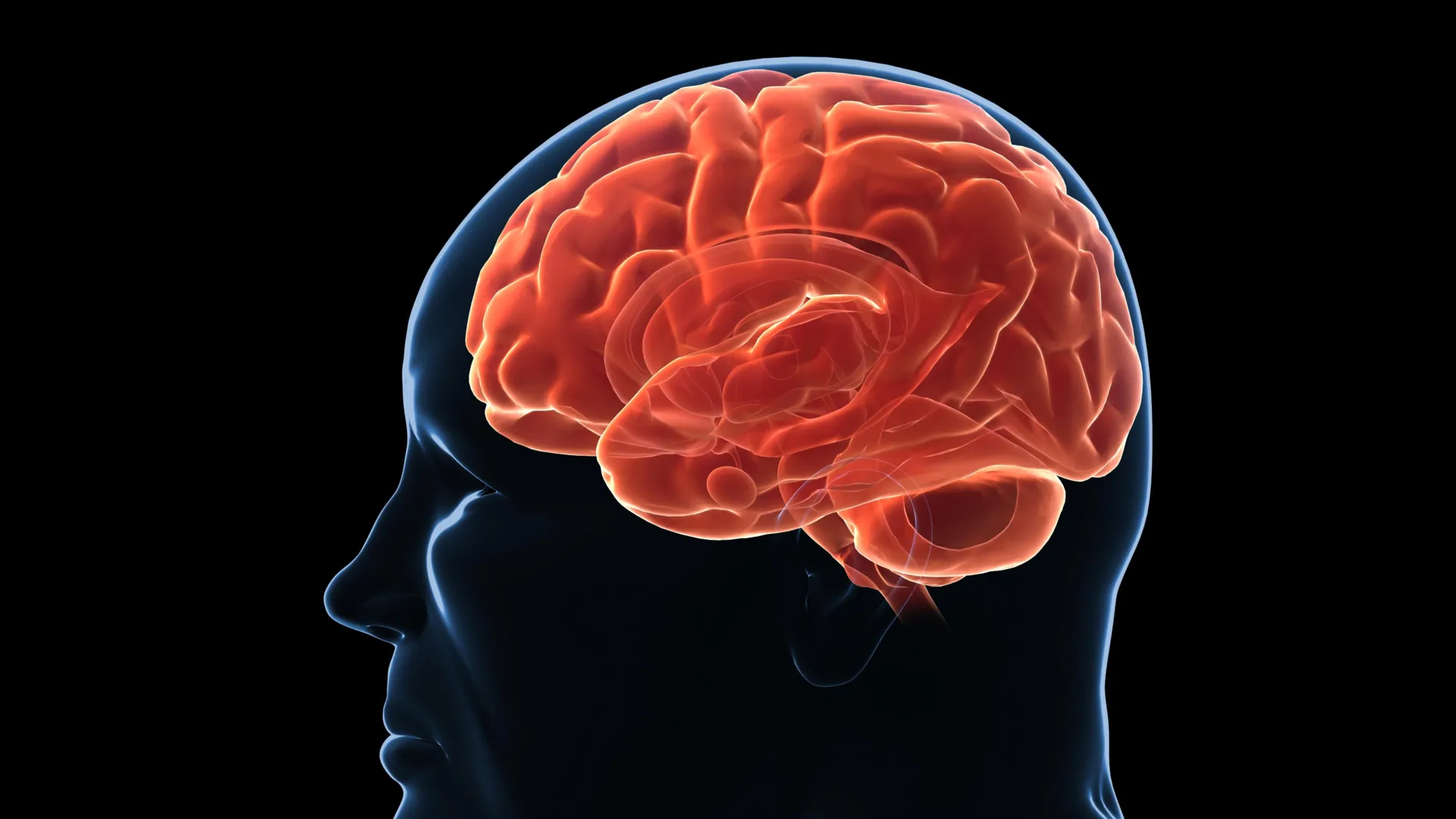
Recent research highlights that human brains possess powerful mechanisms capable of remembering past body weight. When an individual gains excess weight, the brain and body treat that higher mass as though survival depends upon it. Consequently, once the body has been heavier, the brain begins to treat that higher weight as a new normal, establishing a defense level that it feels compelled to maintain.
This biological capacity to remember a previous heavier weight explains why so many individuals experience weight regain after dieting. Experts note this phenomenon is not the result of a lack of discipline. Instead, the biology of the human body is executing the exact functions it evolved to perform: defending against weight loss.
Medical Treatments and Future Research
To address these biological hurdles, weight-loss medications such as Wegovy and Mounjaro have emerged to offer fresh hope. These pharmaceuticals function by mimicking gut hormones that signal the brain to curb appetite. Even so, patient responses vary. Some individuals struggle with side effects that make prolonged use difficult, while others experience no significant weight loss from the treatments at all. Furthermore, clinical observations indicate that once treatment stops, biology often reasserts itself, leading to the return of lost weight.
Researchers investigating these patterns include Valdemar Brimnes Ingemann Johansen, a PhD fellow in the Faculty of Health and Medical Sciences at the University of Copenhagen, and Christoffer Clemmensen, an associate professor and group leader at the Novo Nordisk Foundation Center for Basic Metabolic Research at the University of Copenhagen. Ongoing advances in obesity and metabolism research suggest that future therapies may eventually turn down the specific signals that drive the body back to its original weight, even after a treatment period concludes.
Preventative Strategies and Early-Life Interventions
Beyond pharmaceutical interventions, scientists are exploring preventative measures that could alter long-term weight regulation. Potential strategies include investing in healthier school meals, reducing the marketing of junk food to children, designing neighborhoods that prioritize walking and cycling over cars, and encouraging restaurants to standardize food portions.
Researchers are also focusing on critical early-life stages, spanning from pregnancy to approximately seven years of age, when a child’s weight regulation system remains particularly malleable. Studies indicate that factors such as parental dietary habits, infant feeding methods, and early lifestyle routines can shape how the brain controls appetite and fat storage for years to come. Ultimately, experts emphasize that obesity is a biological condition shaped by the brain, genetics, and environment rather than a personal failure.