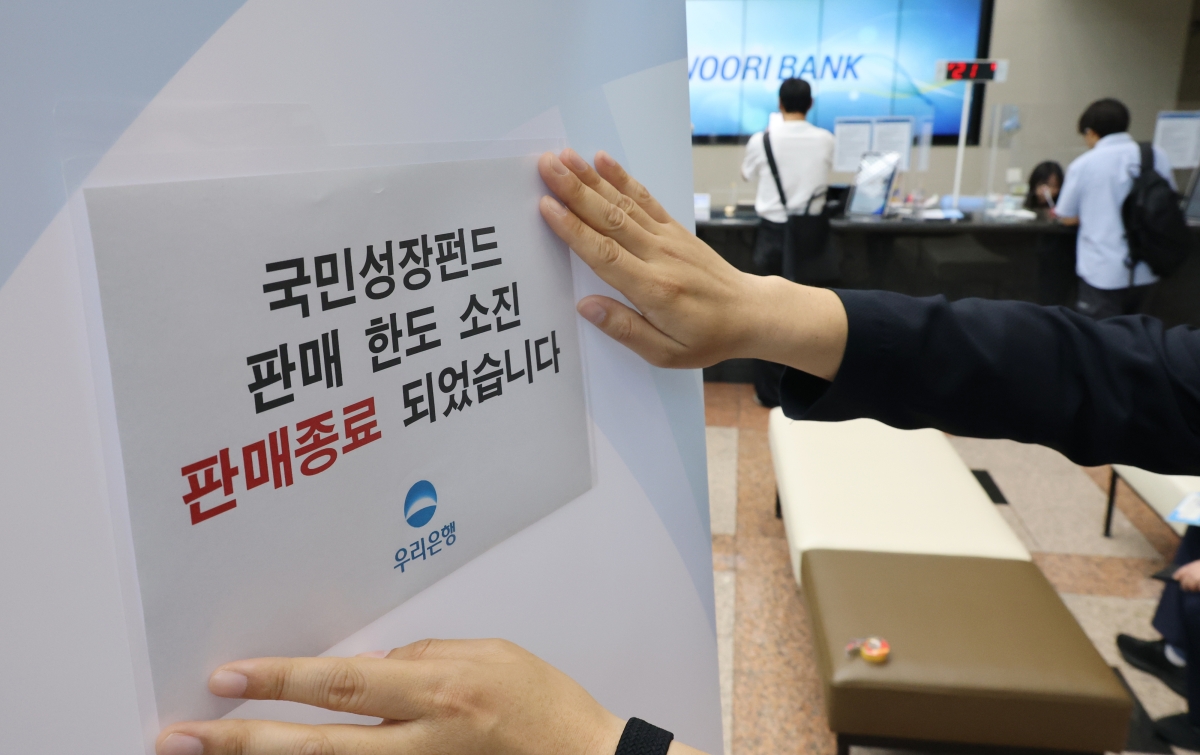
South Korea’s financial landscape experienced a notable shift this week as the government-backed Public Participation National Growth Fund saw an overwhelming investor response during its market debut. The financial product, designed to channel capital into advanced strategic industries, effectively reached its allocation limits shortly after becoming available to the public, signaling a significant appetite for state-supported investment vehicles among retail participants.
The fund, which was launched on May 22, 2026, aims to bridge the funding gap for emerging domestic enterprises by utilizing a unique structure that incorporates government-backed loss buffers. According to official data from the Financial Services Commission (FSC), this mechanism is intended to mitigate the initial risks associated with investing in high-growth sectors, thereby encouraging broader participation from middle-income earners and retail investors.
Market Dynamics and Investor Demand
The debut of the National Growth Fund resulted in a rapid exhaustion of available supply. Online allocations, managed through institutional partners such as Mirae Asset Securities, were fully subscribed within 10 minutes of the market opening. Simultaneously, the broader tranche of the fund, distributed through five major domestic banks, reached its full capacity by the afternoon of the launch day.
Market analysts have noted that the surge in interest is largely attributed to the fund’s tax-incentive structure. Investors are eligible for income tax deductions of up to 40% on their contributions, a policy move that has been widely characterized as a primary driver for the high subscription rates. This tax-advantaged status, combined with the government’s commitment to absorb a portion of initial losses, has positioned the fund as a focal point for domestic retail strategy.
Implications for Advanced Strategic Industries
The capital raised through this initiative is earmarked for investment in advanced strategic industries, a sector that remains a priority for the South Korean government’s long-term economic roadmap. By facilitating direct investment from the public into these technology-heavy firms, the government intends to provide a “safety net” for companies navigating the challenging growth phases often referred to as the “valley of death” in venture capital parlance.

The Financial Services Commission has reported that retail investor subscriptions accounted for nearly 40% of the total bank-distributed sales, a figure that exceeded initial expectations set by financial authorities. This level of engagement suggests that individual investors are increasingly seeking state-backed, lower-risk vehicles as an alternative to traditional, high-volatility equity markets.
Looking Ahead: Potential for Expansion
In response to the unexpectedly high demand, financial authorities are currently evaluating the feasibility of increasing the supply for the second half of 2026. While no official date for a secondary offering has been finalized, the rapid sell-out of the initial ₩600 billion (approximately $394.6 million) tranche has prompted discussions regarding the scale of future interventions.
Prospective investors are advised to consider the specific constraints of the fund. As a five-year closed-end product, it does not allow for early redemption, and the principal remains unguaranteed. These structural parameters are essential for participants to understand before committing capital, as the fund is designed for long-term growth rather than short-term liquidity.
Key Considerations for Investors
- Structure: The fund operates as a five-year closed-end vehicle with no early withdrawal options.
- Risk Management: While the government provides a buffer against initial losses, the principal investment is not guaranteed.
- Incentives: Income tax deductions of up to 40% are available for qualified participants, subject to current government guidelines.
- Market Availability: Further supply is currently under review by the Financial Services Commission, with updates expected later in the year.
As the market monitors the performance of these initial allocations, the success of the National Growth Fund serves as a barometer for public confidence in government-led economic policy. We will continue to track official announcements from the FSC regarding the potential second round of funding as they become available. Please share your thoughts on the role of state-backed funds in your own investment portfolio in the comments section below.
Worth a look
- Incident impliquant un pétrolier près d’Ormuz, l’Iran dit avoir stoppé quatre navires
- Black Social Media Turns to Memes and ‘Comfort’ as Nancy Grace Covers Nolan Wells Case
- SK Group Secures Massive AI Infrastructure Partnerships in San Francisco (archyworldys.com)
- NHL Trade Shakeup Looms: Blue Jackets at Center of Potential Massive Deal (archynewsy.com)