
In the landscape of global consumer goods, few entities command the structural stability of The Procter & Gamble Company. As investors weigh the prospect of a defensive position in an uncertain economic climate, the Cincinnati-based titan remains a focal point for those analyzing market resilience. With a diversified portfolio that spans household cleaning, personal care, and health, P&G often finds itself at the center of discussions regarding institutional longevity and the ability to navigate inflationary pressures through brand equity.
For those considering a defensive investment strategy, the core question is whether the company’s current market standing represents a stagnant giant or a resilient fortress. Understanding the firm’s operational footprint and financial health is essential for any serious analysis of its role in a balanced, long-term portfolio. As of the most recent fiscal reporting, the corporation maintains a significant global presence, employing approximately 109,000 individuals worldwide and managing a vast array of recognizable household brands.
Understanding the Structural Foundation
The Procter & Gamble Company, founded in 1837, has evolved into a multinational powerhouse with a business model divided into five primary segments: Beauty, Grooming, Health Care, Fabric & Home Care, and Baby, Feminine & Family Care. According to the company’s fiscal data as of June 30, 2025, the firm reported net income of $15.97 billion on revenues of $84.28 billion. These figures underscore the scale at which the organization operates, providing a buffer that smaller competitors often lack.
The Fabric & Home Care division, which includes household names like Tide, Dawn, and Febreze, accounted for 36% of the company’s 2024 revenues, serving as a significant pillar for the broader enterprise. Meanwhile, the Beauty segment contributed 18% and Health Care added 14%, demonstrating a strategic diversification that aims to insulate the company from downturns in any single consumer category. This structural diversity is a key factor cited by analysts when evaluating the firm’s defensive characteristics.
The Economics of Brand Loyalty
A central tenet of P&G’s business strategy is its investment in brand innovation and consumer engagement. The company frequently highlights its “deep consumer understanding,” which it leverages to refine products such as the “Fairy Skip the Soak” line, demonstrating an intent to solve specific market challenges. By maintaining a focus on everyday essentials, the company seeks to sustain demand regardless of broader macroeconomic fluctuations.
Beyond product development, the firm employs various loyalty and savings initiatives, such as the P&G brandSAVER™ program, which offers coupons and rewards for over 60 of its brands. Such programs are not merely promotional; they serve as a feedback loop, allowing the company to maintain a direct relationship with its consumer base. In an era where brand switching can be prevalent, these mechanisms act as a retention tool, reinforcing the “moat” that protects the company’s market share.
Financial Performance and Market Position
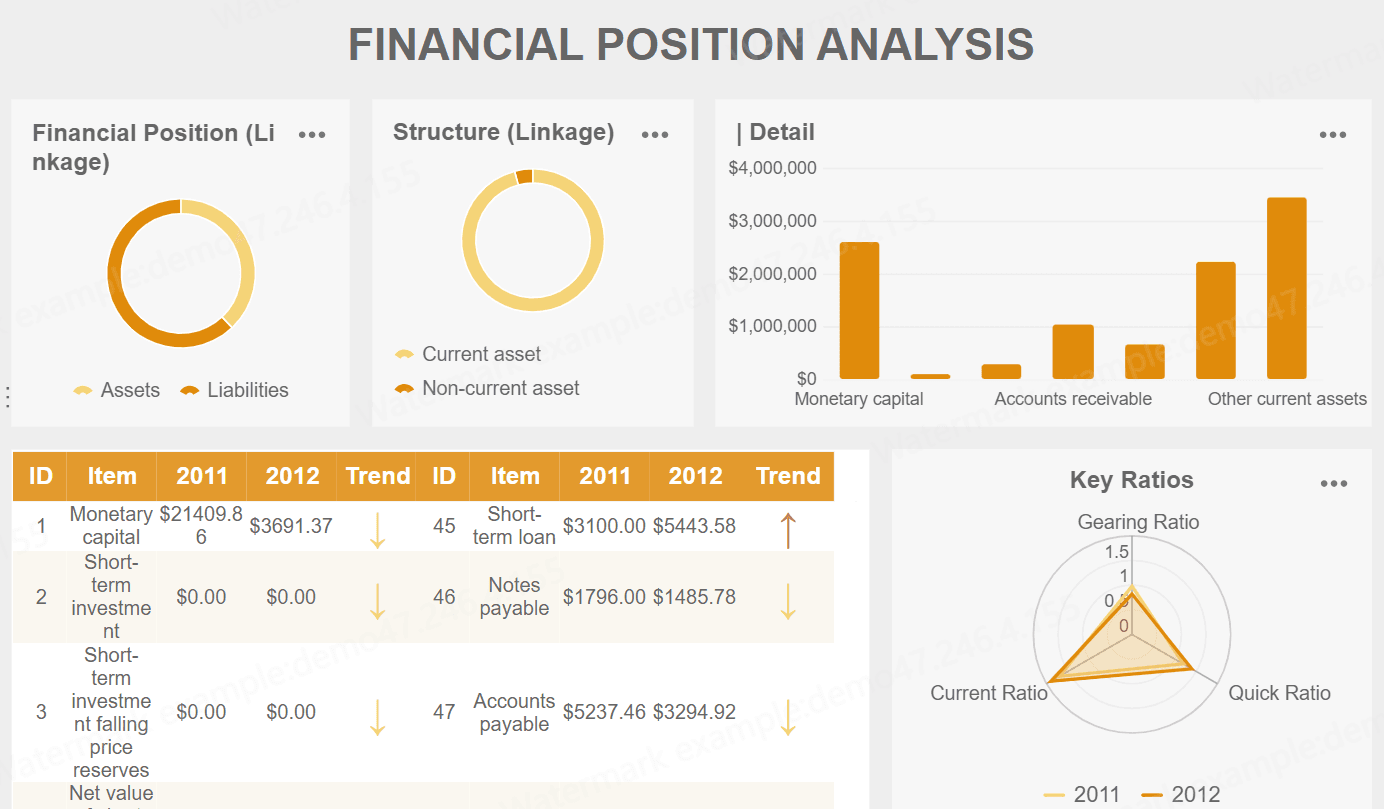
For the fiscal year ending June 30, 2025, P&G reported total assets valued at $125.2 billion and total equity of $52.28 billion. Such balance sheet strength is often a prerequisite for investors seeking defensive assets that can weather periods of high interest rates or market volatility. The company’s ability to generate $20.45 billion in operating income during the same period suggests a high degree of operational efficiency.
However, size can also present challenges. As a mature multinational, the company faces the constant task of balancing its established product lines with the need for growth. Investors often monitor the firm’s ability to innovate within its existing categories while simultaneously managing the overhead associated with such a large-scale global operation. The company’s continued status as a component of the S&P 100 and the S&P 500 indices reflects its enduring role as a bellwether for the consumer staples sector.
Key Financial Metrics (Fiscal Year 2025)
| Metric | Reported Value |
|---|---|
| Annual Revenue | $84.28 Billion |
| Operating Income | $20.45 Billion |
| Net Income | $15.97 Billion |
| Total Assets | $125.2 Billion |
Looking Toward the Future
As we move through 2026, the discussion around P&G remains focused on its dual identity: a reliable, dividend-paying staple and a company striving for modernization through digital consumer engagement and sustainable practices. The company’s recent efforts, including community disaster relief initiatives and partnerships like the Elton John Impact Awards, indicate a focus on corporate social responsibility as a component of its long-term brand-building strategy.
For the investor, the choice remains one of risk appetite versus the desire for stability. While the firm may not offer the explosive growth potential of early-stage tech ventures, its historical performance and massive scale provide a different kind of value. Whether the company is viewed as stagnant or as an “ultimate defensive play” depends largely on one’s investment horizon and expectation of market volatility.
The next major checkpoint for shareholders will be the release of subsequent quarterly financial results, which will provide further clarity on how the company is managing current inflationary pressures and consumer demand trends. Investors are encouraged to monitor official investor relations filings on the company’s corporate website for the most accurate and up-to-date documentation regarding upcoming earnings calls and strategic updates.
What are your thoughts on the role of consumer staples in today’s volatile market? Share your analysis in the comments below.
Related reading