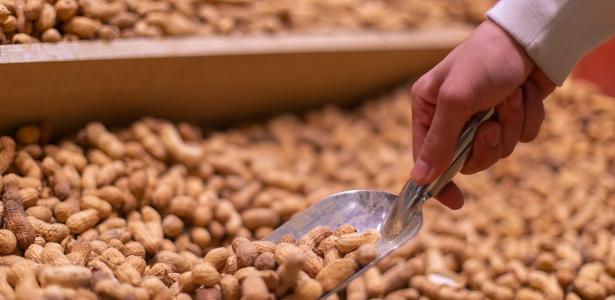
As a physician based in Berlin, I often field questions from patients about how to optimize their nutrition for muscle growth while adhering to plant-based dietary patterns. The quest for high-quality, plant-derived protein sources is a central theme in modern sports nutrition, particularly as more individuals pivot toward diets that emphasize legumes, seeds and nuts. One common query I encounter involves comparing the nutritional density of plant staples—such as peanuts—against traditional animal-based benchmarks like eggs.
When we evaluate the role of plant-based protein in muscle synthesis, the objective is to ensure adequate intake of essential amino acids. While animal proteins are often cited for their complete amino acid profiles, a well-planned plant-based diet can meet these physiological needs effectively. Understanding the nutritional composition of these foods is the first step in building a sustainable and effective fitness regimen.
Understanding Plant-Based Protein for Muscle Synthesis
For those looking to build muscle, protein requirements shift. According to clinical guidance from exercise nutritionists, muscle maintenance typically requires between 0.8 to 1.2 grams of protein per kilogram of body weight daily. However, when the goal is hypertrophy—or muscle growth—this intake often increases to between 1.2 and 1.6 grams per kilogram of body weight. The source of this protein—whether animal or plant—is less critical than the total daily intake and the quality of the amino acid distribution, as noted in expert analysis on plant-based fitness strategies.

Peanuts, while technically legumes, serve as a dense source of both protein and healthy fats. In many dietary contexts, they are valued for their convenience and calorie-to-protein ratio. When consumed in moderation, they contribute to a well-rounded diet, offering satiety and energy that can support active lifestyles. We see important, however, to view such foods as part of a larger nutritional mosaic rather than a standalone solution for muscle development.
The Nutritional Profile of Peanuts
Peanuts provide a significant energy boost, making them a popular snack for those with high activity levels. From a public health perspective, the inclusion of legumes like peanuts, chickpeas, and lentils in one’s diet is associated with positive markers for cardiovascular health. The key to maximizing these benefits lies in moderation; because they are calorie-dense, portion control is essential to ensure they align with your specific caloric goals.
When incorporating peanuts or peanut butter into a fitness-focused meal plan, consider the following:
- Caloric Density: Peanuts are energy-dense, which can be an advantage for those struggling to meet high caloric requirements but a challenge for those in a weight-loss phase.
- Complementary Proteins: To ensure a complete amino acid profile, consider pairing peanut consumption with whole grains or other plant sources throughout the day.
- Added Ingredients: When selecting peanut butter, prioritize versions that contain only peanuts to avoid unnecessary added sugars or hydrogenated oils.
Integrating Plant Proteins into Your Routine
Transitioning to a diet that relies more heavily on plant-based sources requires a degree of planning. Beyond peanuts, staples such as edamame, tofu, tempeh, and seitan—a wheat-based meat alternative—are excellent tools for meeting your daily protein targets. Professional athletes have demonstrated that it is entirely possible to maintain elite levels of athleticism and muscle mass while following a plant-based diet, provided that calorie and protein targets are consistently met.
The shift toward plant-forward eating is supported by evidence suggesting that diets rich in legumes and vegetables can improve blood sugar management and cholesterol levels. For patients in my practice, I emphasize that the “best” protein source is the one that you can sustain long-term while meeting your metabolic and fitness requirements.
Key Takeaways for Nutritional Success
If you are looking to optimize your diet for health and performance, consider these foundational principles:

- Calculate Your Needs: Determine your specific protein requirements based on your body weight and activity level.
- Diversify Sources: Do not rely on a single food item; rotate between soy products, legumes, nuts, and seeds to ensure micronutrient variety.
- Monitor Portions: Especially with calorie-dense foods like peanuts, be mindful of serving sizes to maintain your desired caloric balance.
- Consult Professionals: If you are planning a significant change to your dietary habits, consult with a registered dietitian or a physician to ensure your plan is nutritionally sound.
As we continue to monitor advancements in nutritional science, plant-based protein is a robust and effective component of any fitness program. Whether you are a professional athlete or a recreational gym-goer, the principles of consistency and quality remain paramount. I encourage you to share your experiences or questions regarding plant-based nutrition in the comments section below, and stay tuned for our next scheduled update on metabolic health and sports nutrition research.
Related reading