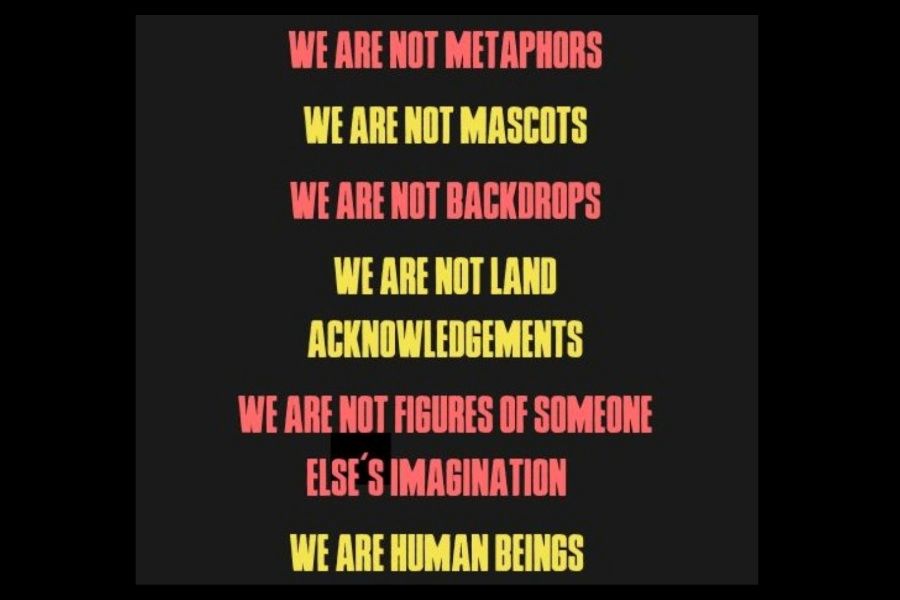
In a significant shift for the performing arts landscape, a coalition of 250 Native and non-Native artists has launched a new effort aimed at fundamentally transforming how U.S. Institutional theatre engages with Indigenous creators. The alliance, which advocates for a more equitable industry, has released an open letter urging major theatre organizations to move beyond surface-level representation toward substantive, long-term partnerships and the consistent production of Native-authored work.
The call to action highlights a growing movement within the creative sector to address systemic barriers that have long marginalized Native voices. By emphasizing the necessity of authentic collaboration, the signatories are pushing for a structural re-evaluation of how institutional stages program, fund, and support plays written by Indigenous playwrights. This initiative marks a pivotal moment for regional and national theatres, as they face increased pressure to align their artistic mandates with the principles of equity, and inclusion.
Addressing Systemic Barriers in Institutional Theatre
The core of the alliance’s message centers on the concept of institutional accountability. For decades, many U.S. Theatres have been criticized for a lack of diversity in programming, often relying on stereotypical depictions or failing to commission work from Native artists altogether. The open letter serves as both a critique of these past practices and a roadmap for future engagement, focusing on the need for genuine, respectful, and sustained relationships between institutions and tribal communities.
According to advocacy groups within the arts, the lack of Native representation is not merely an oversight but a reflection of deep-seated industry habits that prioritize established, non-Native narratives. By calling for the production of Native-authored work, the movement aims to dismantle these patterns, ensuring that Indigenous stories are told from the perspective of those who live them. Authentic collaboration, as defined by the alliance, requires theatres to cede creative control and financial resources to Native artists rather than simply consulting them on projects developed by others.
The Call for Authentic Collaboration
The movement’s emphasis on “authentic collaboration” is a direct challenge to the “consultant model” often employed by mainstream theatres. In the past, many institutions have invited Native individuals to provide feedback on scripts or productions without offering them creative authority or equitable compensation. The new alliance argues that true partnership involves Native artists in the development process from the initial conception through the final performance.

This approach has been championed by various arts advocacy organizations that monitor diversity and inclusion in the performing arts. For instance, data from The American Theatre Wing and similar industry bodies have long highlighted the disparity in representation across major U.S. Stages. By demanding a seat at the table—and a voice in the decision-making process—the 250 signatories are seeking to transform the theatre from a space of appropriation into a space of genuine cultural exchange.
Impact on the National Cultural Landscape
The implications of this movement extend beyond individual productions. As institutions begin to respond to these demands, the entire ecosystem of American theatre is likely to experience a shift in how it defines “classical” or “relevant” works. The inclusion of Native voices allows for a more comprehensive understanding of American history and contemporary life, challenging audiences to engage with perspectives that have been historically excluded from the mainstream canon.
For many regional theatres, this shift represents a significant operational challenge. It requires a commitment to developing new talent, investing in long-term artistic residencies, and building trust with communities that have often been skeptical of institutional motives. However, those who support the movement suggest that this evolution is essential for the long-term survival and relevance of theatre in a rapidly changing society.
Next Steps for Industry Accountability
As the conversation continues, the focus will likely turn toward how institutions report their progress and whether they are meeting the benchmarks set by the alliance. The theatre community is currently awaiting further updates regarding specific pledges from major organizations to adopt the guidelines proposed in the open letter. Industry watchers are closely monitoring upcoming season announcements to see if these commitments translate into concrete programming changes.
This is a developing story within the entertainment industry. For those interested in following the progress of this movement, industry publications and official statements from local theatre companies remain the primary sources for tracking how these demands are being met at the ground level. We invite our readers to share their thoughts on the evolving role of Native voices in institutional theatre in the comments section below.
Related reading