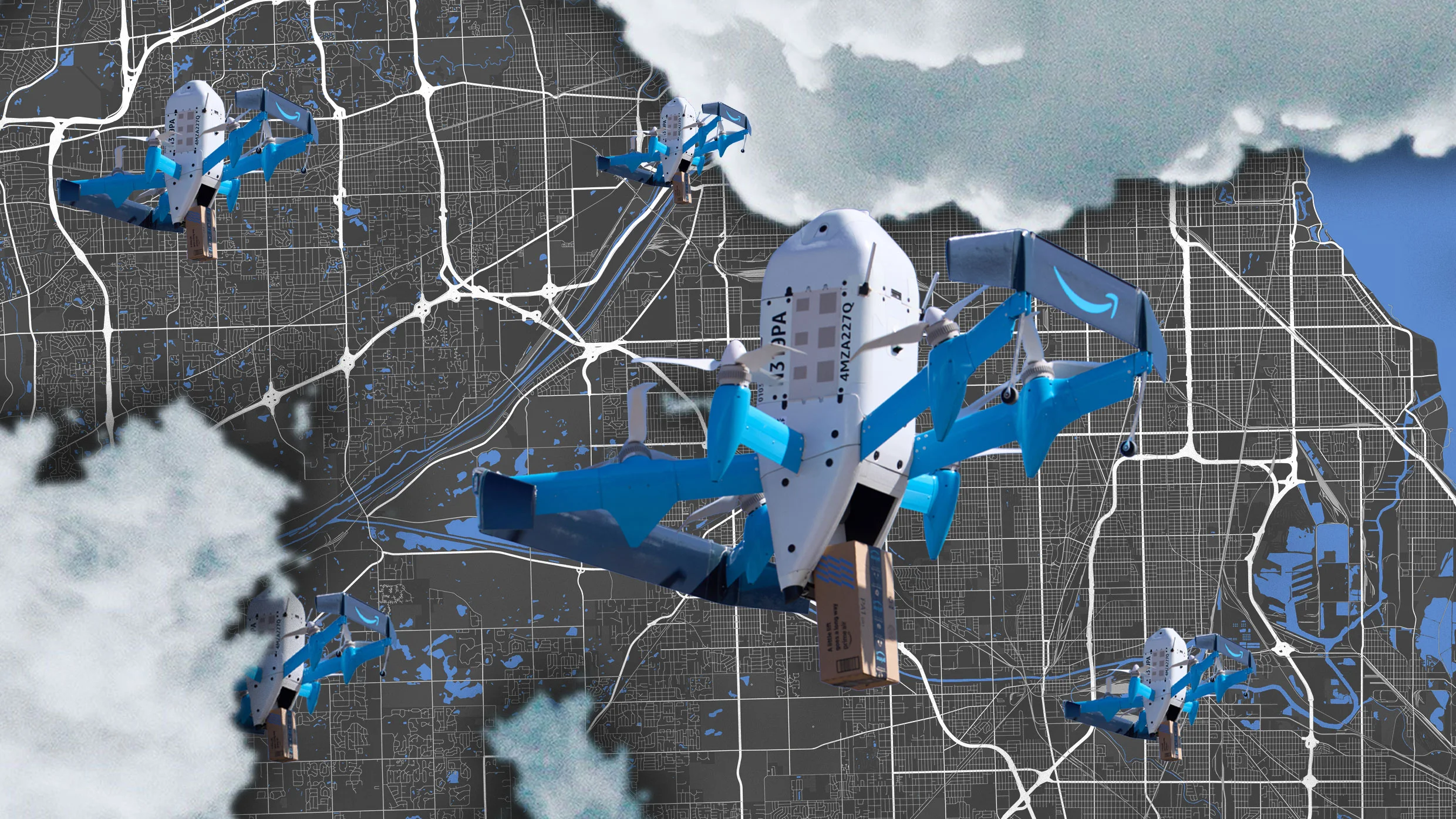
Amazon’s Drone Ambitions Are About to Reshape Chicago’s South Suburbs
Residents of Chicago’s south suburbs are about to get a firsthand look at the future of delivery—one that involves drones zipping through their neighborhoods. Starting this summer, Amazon will launch its Prime Air drone delivery service from fulfillment centers in Markham and Matteson, serving customers within a 7.5-mile radius. The program marks another step in Amazon’s aggressive push to revolutionize last-mile logistics, but it also raises critical questions about safety, infrastructure and public accountability as drone traffic takes to the skies.
The initiative comes as Amazon prepares to expand its drone operations to 12 U.S. Cities by the end of 2026, with plans to deliver 500 million packages annually via drone by 2036. While the technology promises faster deliveries—especially for tiny, lightweight items—the rollout in Chicago’s densely populated suburbs highlights the challenges of integrating autonomous aerial vehicles into urban airspace.
For now, the service will be limited to Prime members ordering packages under 5 pounds, with an additional $4.99 fee per delivery. But as more companies—including Wing, Flytrex, and UPS—ramp up their own drone programs, the skies above Chicago could soon become a crowded testing ground for a new era of delivery.
How Amazon’s Drones Work—and What Could Go Wrong
Amazon’s MK30 delivery drones are the workhorses of this new system. Each drone weighs 80–85 pounds, operates autonomously using onboard AI, and can carry payloads up to 5 pounds at speeds of 73 mph. According to the FAA’s 2025 operational guidelines, these drones are cleared to fly up to 400 feet above ground level and are designed to withstand light precipitation and cold temperatures. However, their small size and high-speed operation introduce new risks.
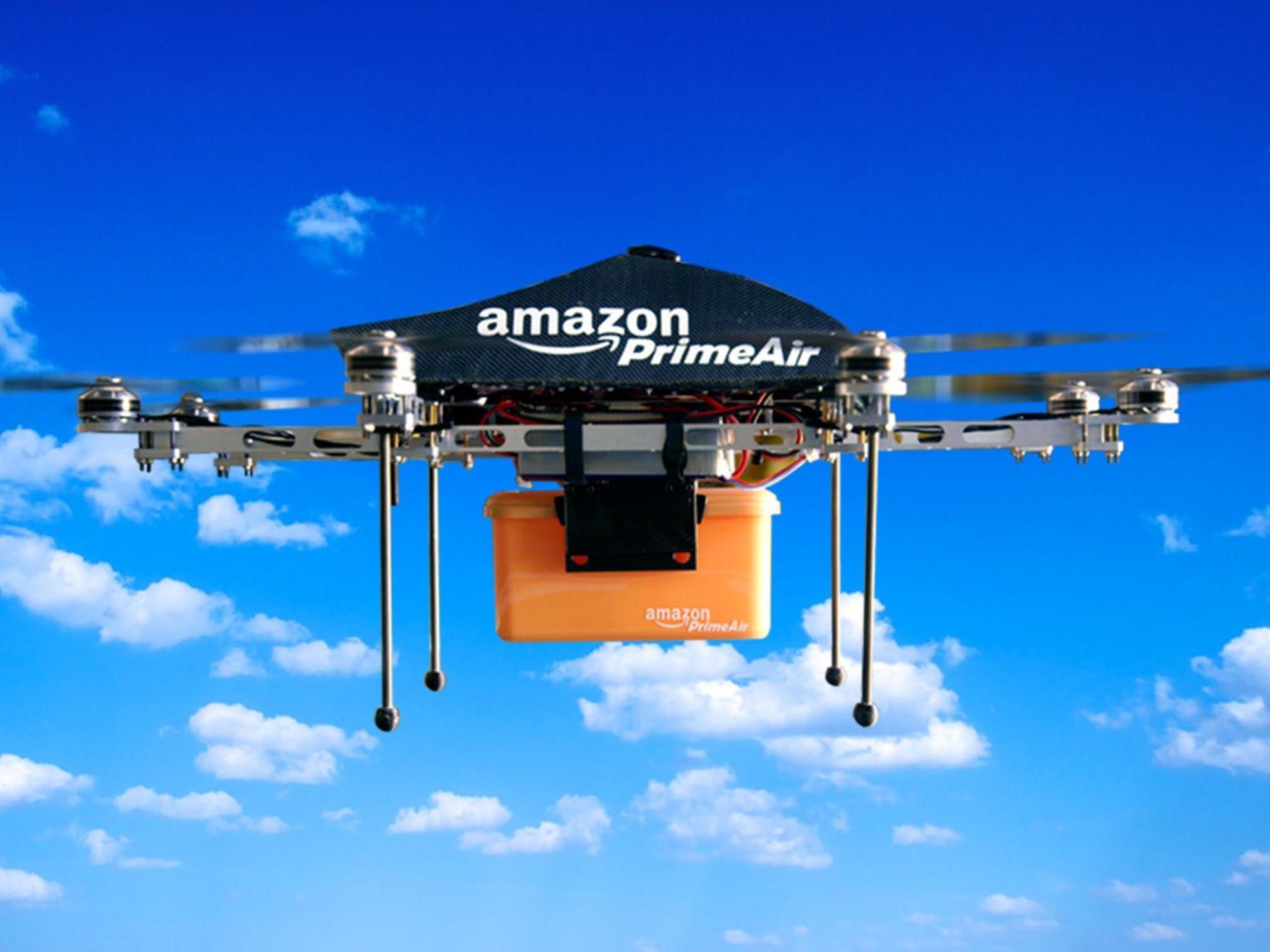
While Amazon emphasizes the drones’ safety features—including redundant propulsion systems and real-time obstacle avoidance—real-world incidents paint a more complicated picture. In January 2026, an Amazon Prime Air drone crashed into an apartment building in Richardson, Texas, ricocheting off the exterior before plummeting to the sidewalk and emitting smoke. Fortunately, no one was injured, but the incident underscored the potential dangers of a 85-pound drone descending uncontrollably. Earlier that year, two drones collided with a construction crane in another incident, sending a worker to the hospital due to fume exposure—despite the crane being marked with warning flags.
Even when drones avoid collisions, their payloads can still pose risks. A 5-pound package dropped from 400 feet at 73 mph could cause significant damage—or injury—if it lands on a person, vehicle, or property. In 2022, an Alphabet-owned Wing drone in Brisbane, Australia, crashed into power lines, causing a fire that required 2,000 Energex customers to lose power while crews removed the drone. The disruption affected medical devices, food safety, and workplace operations, demonstrating how quickly drone mishaps can escalate.
Key Safety Concerns for Chicago’s Drone Delivery Program
- Air Traffic Management: Current low-altitude traffic systems are not designed to handle hundreds—or thousands—of drones operating simultaneously. The FAA’s Innovate 2028 initiative acknowledges this gap, emphasizing the need for public understanding and support as drone programs expand.
- Obstacle Avoidance: Drones must navigate around birds, power lines, buildings, and other drones. Amazon’s AI systems are improving, but no system is foolproof, as seen in the Texas and crane incidents.
- Public Reporting: Unlike truck deliveries, where drivers can be flagged for misconduct, drones operate autonomously. Amazon has not disclosed how residents will report errant drones or request investigations into near-misses.
- Package Security: Current Amazon drivers require phone verification for high-value deliveries. Drones, however, lack a human intermediary to verify drop-off locations, raising questions about package theft or misuse.
A Crowded Sky: Amazon Isn’t the Only Player
Amazon’s drone ambitions are part of a broader industry shift. Competitors like Wing (Alphabet), Flytrex, and UPS are also testing delivery drones, while companies like Joby Aviation are developing air taxis for passenger transport. In Virginia, Wing has partnered with FedEx, Walgreens, and local ice cream shops to deliver everything from groceries to medications. Meanwhile, Flytrex operates as an aggregator for regional businesses, offering drone delivery in 15 U.S. States.

The challenge extends beyond safety to interoperability. Drones from different companies will need to communicate with each other, share airspace with traditional aircraft, and comply with evolving FAA regulations. Currently, the FAA’s Advanced Operations website provides only basic diagrams and a single demonstration video—far from the detailed public guidance required for large-scale drone operations.
For residents of Chicago’s south suburbs, the immediate impact will be limited to the 7.5-mile radius around Markham and Matteson. But as Amazon and other companies scale up, the question becomes: Who will manage the skies when drones outnumber birds?
What So for Chicago—and Beyond
The Chicago drone trial is more than a logistics experiment—it’s a test of public trust. Amazon’s Prime Air program has faced skepticism since its inception, with critics questioning whether the company is prioritizing speed over safety. The FAA’s Innovate 2028 initiative explicitly states that public support is essential for drone programs to succeed, yet transparency remains lacking. Residents have no clear way to access real-time updates on drone operations, accident reports, or safety protocols.
For communities like Tinley Park, where Amazon held an informational session in March 2026, the reaction has been mixed. Some residents, like Tim Throw, see drones as the “way of the future”, while others, like Terry Throw, worry about the “disruption of daily life”. The lack of detailed public communication from Amazon or the FAA only deepens uncertainty.
Beyond safety, there are practical considerations. Many urban residents—particularly those in high-rise buildings with limited outdoor space—may struggle with drone deliveries. How will packages be handed off to residents on balconies or rooftops? What happens if a drone’s delivery zone includes a parking lot or busy street? Amazon’s FAQ offers little clarity on these scenarios.
Who Stands to Gain—and Who Could Be Left Behind?
- Prime Members: Early adopters will benefit from faster, fee-based drone deliveries for small items.
- Urban Dwellers Without Cars: Drones could fill a gap in last-mile delivery for those who rely on home deliveries.
- Businesses: Local retailers may see reduced foot traffic as drone deliveries become the norm.
- First Responders: Emergency services could face challenges if drones obstruct airspace during crises.
- Wildlife and Infrastructure: Birds, power lines, and buildings remain at risk of drone collisions.
The Bigger Picture: Can the Skies Stay Safe?
The real test for drone delivery won’t be in controlled pilot programs—it will be when thousands of drones from competing companies share the same airspace. Currently, the FAA relies on voluntary reporting from companies and limited oversight of low-altitude operations. As Amazon’s CEO, Andy Jassy, has stated, the goal is to deliver 500 million packages annually via drone by 2036. But achieving that scale without a robust safety framework could lead to public backlash, regulatory crackdowns, or even legal challenges.
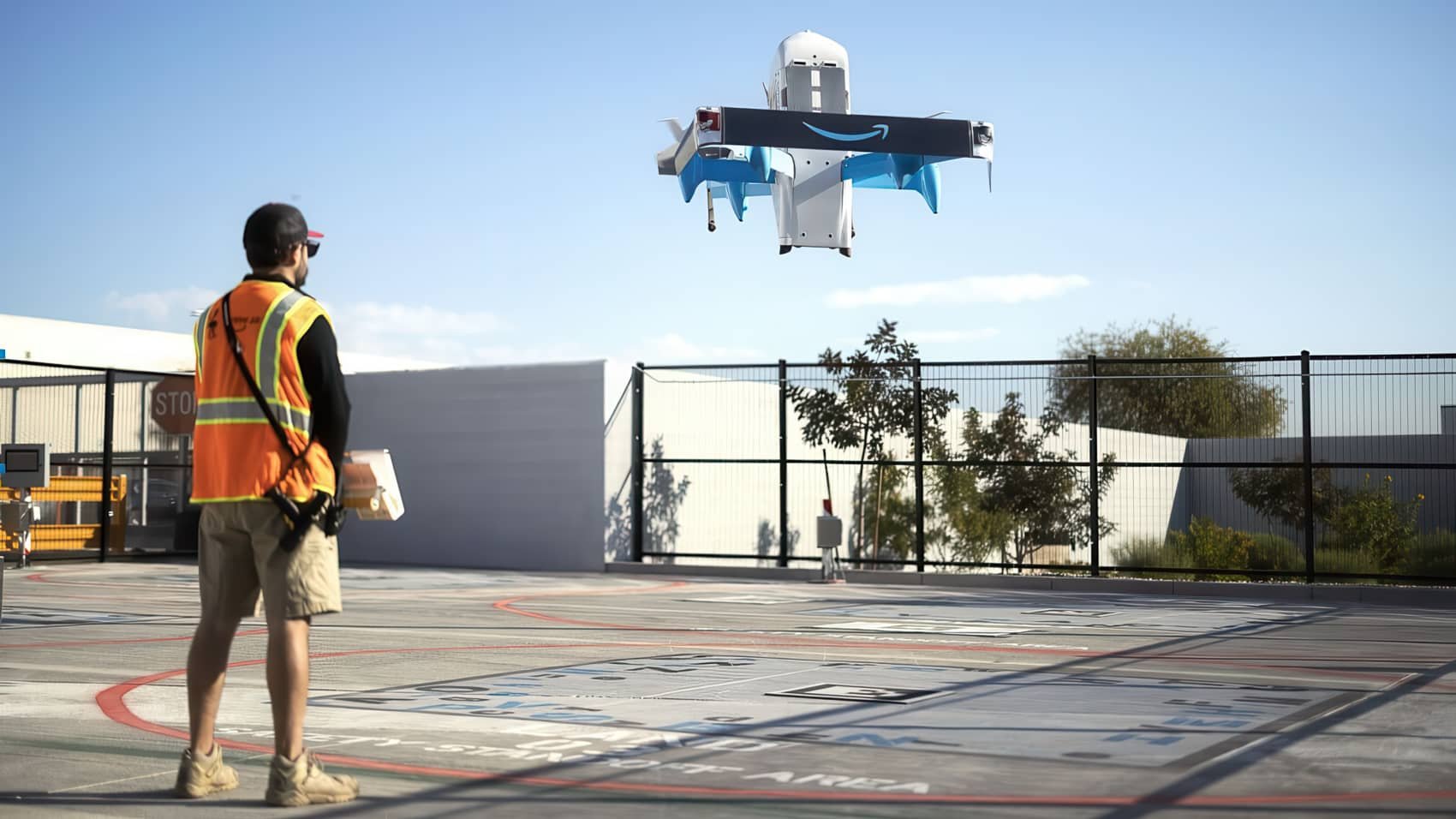
Industry experts warn that AI-driven air traffic control is not yet advanced enough to handle the complexity of drone swarms. Traditional aviation systems were designed for piloted aircraft, not autonomous machines operating at low altitudes. Without significant investment in infrastructure, communication standards, and public accountability, the skies risk becoming a high-stakes experiment with unpredictable outcomes.
What Happens Next?
Amazon’s Chicago drone trial is set to begin in late spring or early summer 2026, with operations expanding to additional cities in the coming months. The FAA has not announced a public hearing or comment period for the Chicago program, despite its Innovate 2028 mandate to prioritize transparency. Residents within the 7.5-mile radius are encouraged to monitor updates from:
The next major checkpoint will be the FAA’s 2027 review of low-altitude drone regulations, which could introduce stricter safety measures based on early trial results. In the meantime, Chicago residents should prepare for the possibility of drones overhead—and the need to stay informed about their operations.
Your Voice Matters
As drone delivery takes flight, public input will shape its future. If you live in or near Chicago’s south suburbs, consider:
- Attending local town halls or community meetings about the program.
- Contacting the FAA’s drone safety office with concerns.
- Sharing your experiences (positive or negative) with Amazon’s customer service or through official feedback channels.
Drone delivery is coming—but its success depends on whether companies and regulators can balance innovation with safety. The Chicago trial is just the beginning.
Share your thoughts on Amazon’s drone delivery:
Related reading