As tensions simmer in the Strait of Hormuz, a critical maritime chokepoint linking the Persian Gulf to the Arabian Sea, new concerns are emerging about the potential disruption of global internet infrastructure—particularly for remote regions like La Réunion. While the focus remains on oil tankers and commercial shipping, experts warn that Iran’s military posturing could extend to the underwater cables that carry nearly all international data traffic, including those servicing the Indian Ocean’s most isolated territories.
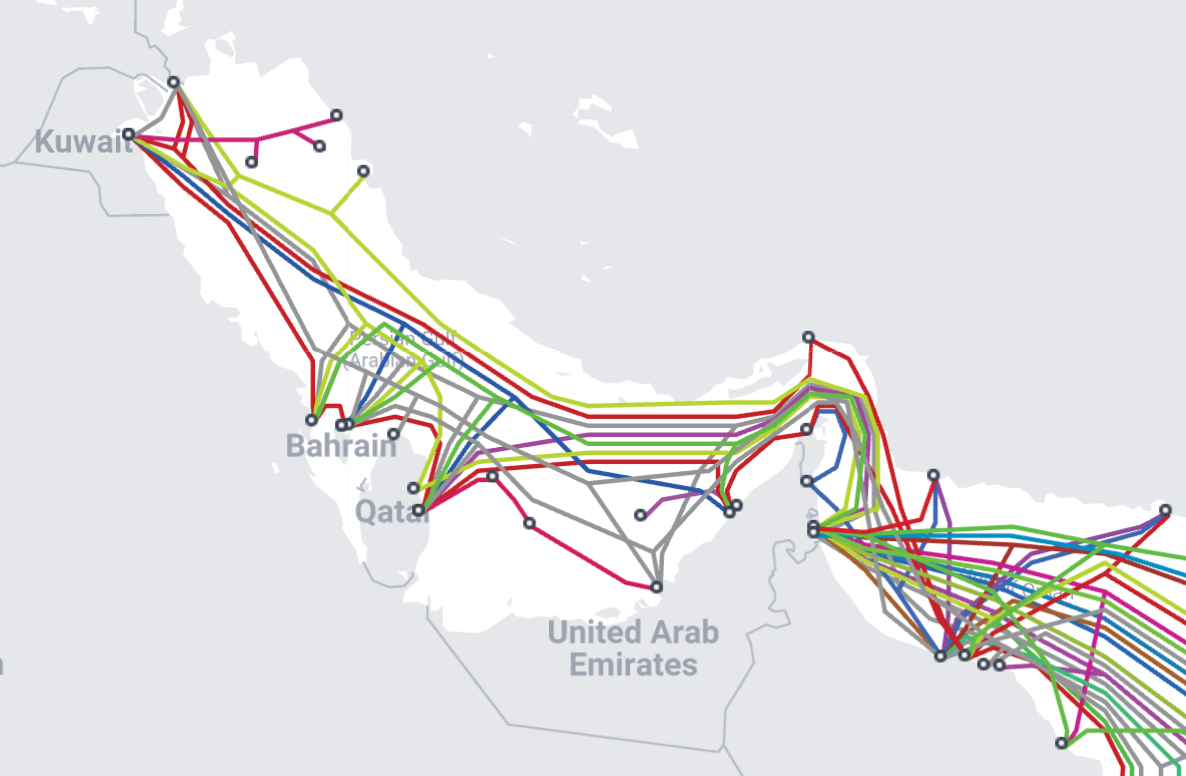
The Strait of Hormuz is not just a vital artery for oil; it also hosts a dense network of submarine fiber-optic cables that connect Europe, the Middle East and Asia. These cables, owned and operated by major telecom firms like SeaBorn Networks and 2A Cable Systems, are the backbone of internet connectivity for millions across Africa, the Indian Ocean, and beyond. La Réunion, France’s overseas department in the Indian Ocean, relies heavily on these cables for its digital lifeline, raising alarms about potential service disruptions if geopolitical tensions escalate.
While there is no confirmed evidence that Iran has directly threatened to target these cables, recent military maneuvers and statements from U.S. Officials suggest a heightened risk. U.S. Secretary of State Marco Rubio recently emphasized that Washington is working to “reopen the Strait of Hormuz” and prevent Iran from disrupting global trade—including digital trade. However, the lack of a formal ceasefire and Iran’s continued access to 60% of its pre-war missile launchers (per U.S. Intelligence) underscores the fragility of the region’s security.
Why La Réunion? The island’s internet connectivity is particularly vulnerable because its primary cables—such as the EASSy (East Africa Submarine Cable System) and SEACOM—transit through the Strait of Hormuz or its adjacent waters. A disruption here could isolate La Réunion from global networks, affecting everything from emergency services to e-commerce. While France has backup satellite links, these are far slower and more expensive, raising concerns about prolonged outages.
Historical Precedent: Cables in the Crosshairs
The idea that underwater cables could become collateral damage in regional conflicts is not new. In 2018, a submarine cable linking Egypt and Cyprus was damaged, disrupting internet access for millions. While the cause was never officially confirmed, geopolitical tensions in the Eastern Mediterranean were cited as a possible factor. More recently, Yemen’s Houthi rebels have targeted commercial ships in the Red Sea, raising fears that similar tactics could spill over into the Strait of Hormuz.
Iran has historically denied targeting civilian infrastructure, but its military doctrine includes asymmetric warfare tactics, such as mining harbors or disrupting shipping lanes. While cables are not typically considered “military targets,” their destruction could be framed as a secondary effect of broader strikes—especially if Iran perceives them as supporting Western or Israeli interests.
Who Would Be Affected?
Beyond La Réunion, the ripple effects of a cable disruption in the Strait of Hormuz would be felt across the Indian Ocean. Key stakeholders include:
- France: As La Réunion’s administrator, Paris would face pressure to restore connectivity quickly, potentially deploying military or civilian assets to reroute traffic via satellite or alternative cables.
- Telecom Giants: Companies like SeaBorn Networks and TeleGeography monitor cable routes closely but have limited ability to preemptively protect them. Repairing damaged cables can take weeks or months, depending on depth, and location.
- Global Internet Governance: Organizations like the International Telecommunication Union (ITU) and ICANN could be drawn into discussions about digital sovereignty and the resilience of undersea infrastructure.
- Local Businesses in La Réunion: E-commerce, banking, and remote work would grind to a halt without reliable internet. The island’s economy, which relies heavily on tourism and agriculture, could suffer significant losses.
What Are the Risks?
While Iran has not explicitly threatened to target cables, several indirect risks exist:
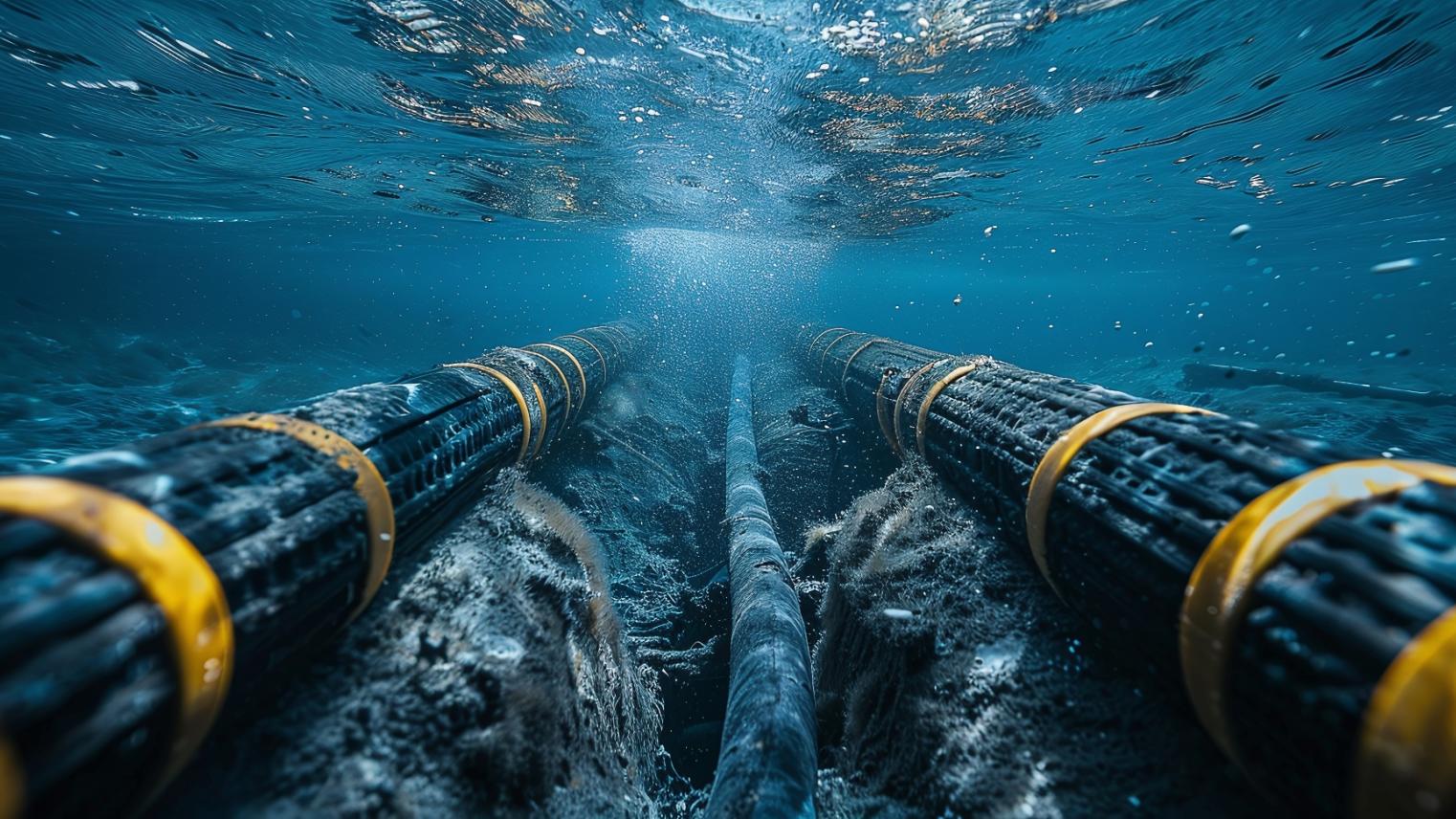
- Accidental Damage: Military operations in the Strait—whether by Iran, the U.S., or regional allies—could inadvertently sever cables. The Strait is one of the most cable-dense maritime zones, with over 20 cables passing through or near its waters.
- Sabotage as Deterrence: Iran may view cable disruptions as a low-cost way to pressure Western powers without outright declaring war. Historical examples include cyberattacks on telecom infrastructure during past tensions.
- Economic Leverage: By controlling or threatening cable traffic, Iran could tax or reroute data flows, effectively holding global commerce hostage. This tactic has been discussed in academic circles as a form of digital coercion.
What’s Being Done to Mitigate the Threat?
Telecom companies and governments are taking preemptive measures, though public details remain scarce:
- Redundancy Planning: Major operators are investing in redundant routes, such as the India-Middle East-Europe Express (IMEE) cable, which bypasses the Strait.
- Military Protection: The U.S. And its allies have increased naval patrols in the region, though their mandate does not explicitly include cable defense.
- Diplomatic Pressure: The U.S. And EU are engaged in direct talks with Iran to de-escalate tensions, but progress remains fragile. Secretary Rubio’s recent comments suggest a focus on reopening the Strait, but no guarantees on digital infrastructure.
La Réunion’s Unique Vulnerability
La Réunion’s situation is particularly precarious because:
- Limited Alternatives: Unlike mainland France, which has multiple cable and satellite backups, La Réunion’s connectivity relies heavily on just two primary cables (EASSy and SEACOM), both of which pass near the Strait.
- Geographic Isolation: The island is 1,800 km east of Madagascar, making it one of the most remote territories in the Indian Ocean. Repairing a damaged cable would require weeks of coordination with international operators.
- Dependence on Global Traffic: Much of La Réunion’s internet traffic transits through Dubai and Singapore, hubs that could become targets in a broader conflict.
Local authorities in La Réunion have not publicly addressed the risk, but internal discussions among tech and government officials suggest contingency plans are being drafted. These may include:
- Expanding satellite-based internet (e.g., Starlink) as a temporary backup.
- Negotiating priority access to alternative cables, such as the APGN (Asia Pacific Gateway Network), which connects to Australia.
- Training local technicians to assist in cable repair efforts, though deep-sea repairs require specialized international teams.
What Happens Next?
The next critical checkpoint will be the expiration of the current U.S.-Iran ceasefire agreement on April 22, 2026. While no official extension has been announced, U.S. Intelligence reports indicate Iran is actively rebuilding its missile capabilities, raising the risk of renewed hostilities. If tensions escalate, the Strait of Hormuz could see:
- Increased naval activity, potentially leading to accidental cable damage.
- Targeted disruptions against commercial shipping, which could spill over to cables if Iran seeks to deter Western intervention.
- Economic sanctions or counter-sanctions that could further strain global data flows.
For La Réunion, the immediate focus should be on diversifying connectivity options. While satellite internet is not a long-term solution, it could provide a critical lifeline during a crisis. Meanwhile, international telecom firms must accelerate plans to route more traffic through alternative corridors, such as the Southern Africa Submarine Cable System (SAS-C), which bypasses the Strait entirely.
Key Takeaways
- The Strait of Hormuz is a chokepoint for both oil and internet traffic, making it a potential target in regional conflicts.
- La Réunion’s internet relies heavily on cables transiting the Strait, leaving it vulnerable to disruptions.
- Iran has not directly threatened cables, but its military actions and asymmetric tactics raise risks of accidental or indirect damage.
- Telecom companies are investing in redundancy, but repairs to damaged cables can take weeks or months.
- Local governments must prepare for potential outages by expanding satellite backups and training repair teams.
As the situation evolves, World Today Journal will continue monitoring developments in the Strait of Hormuz and their potential impact on global internet infrastructure. For real-time updates on submarine cable security, follow advisories from the International Telecommunication Union (ITU) and TeleGeography. If you’re in La Réunion or rely on Indian Ocean connectivity, consider exploring backup solutions like Starlink or local ISP alternatives.
Your thoughts matter: Would your business or community be prepared for a prolonged internet outage? Share your concerns or contingency plans in the comments below.
Related reading