
In a move that has sparked significant friction within the halls of Congress, a coalition of critics has initiated legal action to block the distribution of funds from a newly established $1.8 billion settlement vehicle. The initiative, often characterized by its proponents as a resource for those asserting they have been victims of a weaponized government, has become a focal point of intense political debate in Washington. As the administration of President Donald J. Trump navigates this latest challenge, the controversy highlights a growing rift among some Republican lawmakers regarding the executive branch’s use of financial mechanisms to support its allies.
The legal challenge centers on the creation of a $1.8 billion settlement fund, a development that has drawn immediate scrutiny from legal experts and political opponents alike. According to recent reporting from the Associated Press, the lawsuit seeks to halt payouts from this pool, which is intended to support individuals claiming to have suffered due to government overreach. The existence of this fund has placed administration officials and legal counsel in an uncomfortable spotlight, as the move is viewed by some as an unorthodox attempt to address grievances through executive-aligned financial channels.
The Mechanics of the $1.8 Billion Fund
At the center of the storm is the structure and intent of the $1.8 billion settlement fund. While supporters argue the fund provides necessary restitution for those they claim were targeted by previous bureaucratic actions, critics contend the mechanism lacks the transparency and oversight typically required for such significant federal financial instruments. The legal action to block these payouts represents a rare instance where the administration’s internal strategy has triggered a public and legal backlash from within the broader political ecosystem, including some who generally align with the Republican platform.
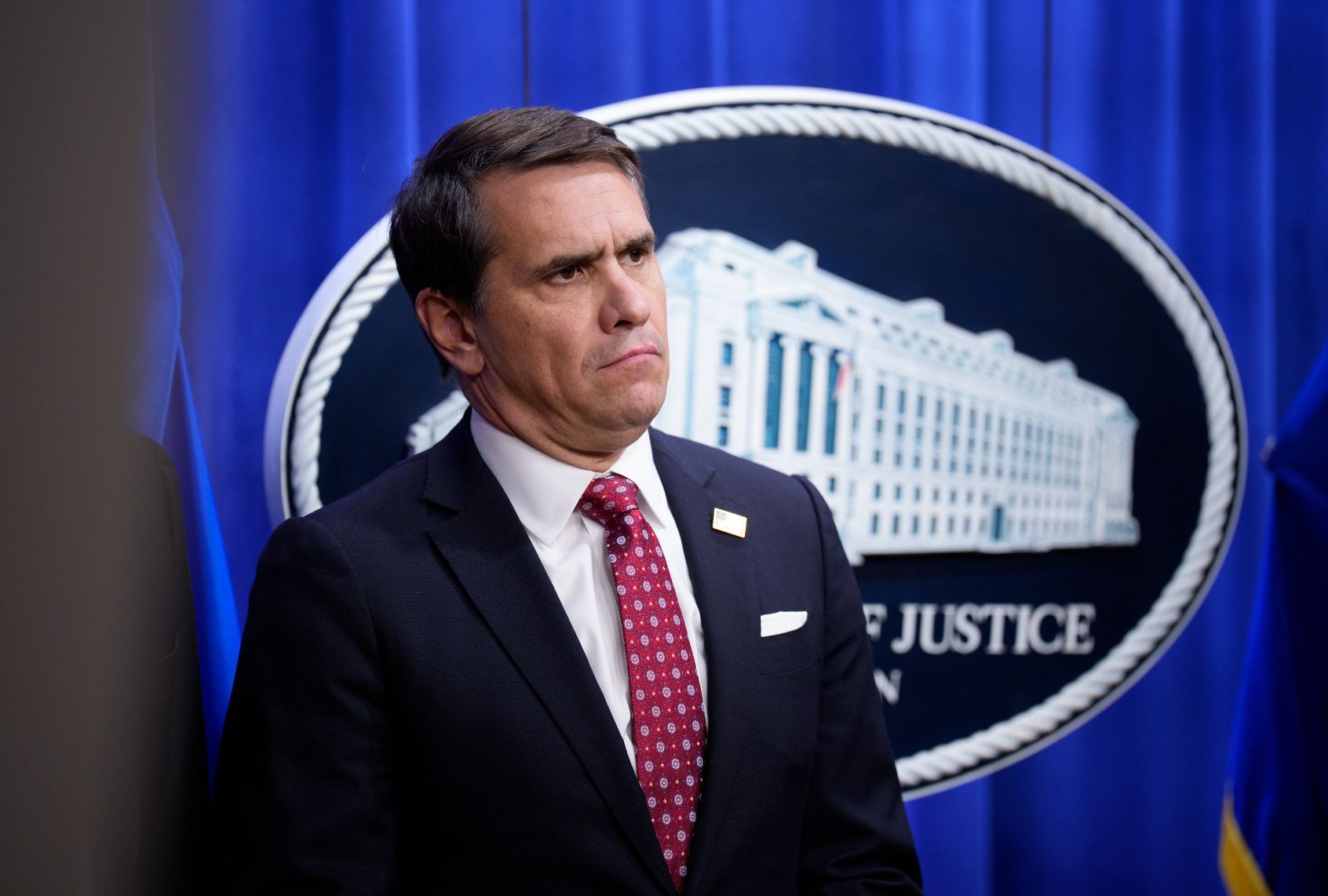
The situation has been further complicated by the involvement of administration-linked figures, such as Todd Blanche, who has found himself at the center of a Republican firestorm regarding the fund. As reported by the Associated Press, the pressure surrounding the fund’s management has forced key allies to navigate a delicate balance between demonstrating loyalty to the President and managing the optics of a program that is increasingly viewed as controversial by a segment of the party. This tension is indicative of a broader trend where, as the Associated Press notes, Republican legislators are showing rare instances of defiance in response to specific demands from the White House.
Political Repercussions and Congressional Defiance
The emergence of this fund comes at a time when the administration is already managing a complex legislative agenda. The President, who returned to the White House following a 2024 election victory, has prioritized the reversal of policies implemented by his predecessors, including a focus on border security and economic deregulation, as outlined on the official White House administration page. However, the controversy over the settlement fund suggests that even within a supportive party, the application of executive power is subject to internal pushback when it touches on sensitive financial and legal norms.
This episode serves as a notable case study in the current state of American political governance. While the administration continues to pursue its mandate—citing achievements such as previous tax cuts, regulation rollbacks, and judicial confirmations—the resistance to the $1.8 billion fund suggests that the boundaries of executive action remain a highly contested space. For observers of global markets and economic policy, the outcome of this lawsuit will be critical. It may signal a shift in how future administrations utilize settlement funds or, conversely, it may result in a tightening of the oversight mechanisms that govern such expenditures.
What This Means for the Future
As the legal proceedings move forward, several key questions remain unanswered for the public and the financial community:
- Oversight and Transparency: Will the courts mandate a higher degree of transparency regarding how the $1.8 billion is allocated and to whom?
- Legislative Response: Will the rare defiance shown by some Republicans evolve into a more permanent legislative check on the use of similar funds?
- Legal Precedent: How will this lawsuit influence the interpretation of executive authority in creating funds outside of the traditional congressional appropriations process?
The administration has not yet provided a detailed public breakdown of the specific criteria for eligibility for these funds, leading to ongoing speculation about the scope of the program. For now, the legal system remains the primary venue for resolving the dispute. As the case progresses, stakeholders and the public alike should monitor official court filings and statements from the Department of Justice for updates on the fund’s status and any potential injunctions that may be issued by the presiding judge.
We will continue to track these developments as they emerge. If you have insights into the economic implications of this fund or are following the legal filings closely, we encourage you to share your perspectives in the comments section below. For ongoing updates on this developing story, stay tuned to our business and policy coverage.