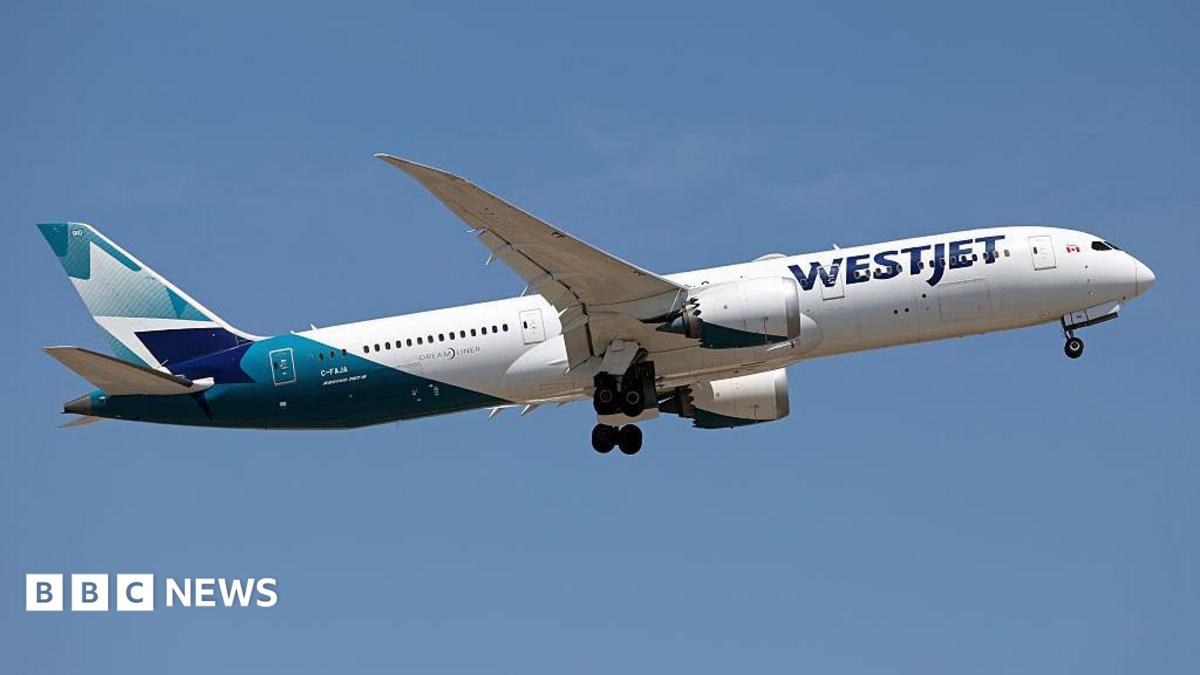
Passengers holding tickets on Canada’s second-largest air carrier face uncertainty as contract negotiations stall and labor tensions rise. According to public announcements by the airline and labor organizations, travel disruptions during peak holiday periods have triggered widespread concern over compensation, rebooking rights, and refund eligibility for affected travelers.
Travelers wondering if they can get a refund during a WestJet flight attendant strike must look closely at federal regulatory frameworks, the airline’s published tariff rules, and the specific status of their ticket purchase. Canadian transportation law establishes distinct passenger protections depending on whether a flight cancellation or significant delay falls within the airline’s control.
Understanding these consumer rights helps passengers navigate disruptions, secure alternate travel, or claim monetary reimbursement when labor disputes disrupt scheduled services.
Understanding Canadian Air Passenger Protection Regulations for Strikes
Under the Canadian Transportation Agency (CTA) and the Air Passenger Protection Regulations (APPR), passenger entitlements hinge primarily on carrier control. According to federal guidelines, labor disputes involving an airline’s own employees—including flight attendants and pilots—are generally classified as situations within the control of the airline.
When a flight cancellation or delay exceeding three hours stems from a cause within the carrier’s control, such as an internal strike, airlines face strict legal mandates. The airline must provide affected customers with a confirmed reservation on the next available flight operated by them or a partner airline within 48 hours of the original departure time.
If the carrier cannot provide a confirmed reservation within that 48-hour window, federal rules require the airline to offer alternative choices. Passengers can choose between confirmed travel on any other airline’s services—including competitors—at no additional cost, or a full refund to the original form of payment.
These statutory requirements apply to all itineraries originating, stopping, or ending in Canada, ensuring that international and domestic ticket holders share baseline protections during labor disruptions.
WestJet Tariff Rules and Refund Policies During Labor Disruption
Beyond baseline government regulations, WestJet operates under a legal contract of carriage known as its tariff. According to WestJet’s published passenger commitments, customers whose flights are canceled directly by the carrier due to labor action are entitled to specific remediation options.
When the carrier cancels a flight proactively ahead of anticipated job action, or grounds aircraft due to a strike, affected passengers typically receive notifications via email or the airline’s mobile application. These notifications usually outline immediate self-service options to process refunds or select alternative routing.
Refund eligibility depends heavily on the fare class purchased. Fully refundable tickets allow travelers to claim cash back at any time under standard terms. Non-refundable fares, however, generally require an official cancellation or significant schedule change initiated by the airline before cash refunds become legally mandated.
Passengers who choose to cancel their own travel voluntarily before the airline officially cancels or significantly delays the flight may face standard fare rules, including change fees or travel credits rather than direct cash refunds. Reviewing the exact fare rules at the time of booking remains essential before abandoning an itinerary proactively.
Practical Steps to Secure a Refund or Rebooking
Securing compensation or alternative travel requires adherence to specific administrative steps outlined by consumer protection advocates and airline customer service departments. Travelers facing disrupted itineraries should document all communications, flight status alerts, and receipts for any incurred expenses.

- Check official flight status updates directly through the airline’s website or app before heading to the airport to avoid unnecessary travel during labor unrest.
- Review digital notifications for automated rebooking links or refund request forms issued by the carrier.
- Submit claims for refunds or out-of-pocket expenses—such as food or accommodation mandated by APPR rules during extended delays—through the airline’s online customer service portal.
- Keep copies of all boarding passes, ticket receipts, and itemized receipts for meals or hotels if stranded away from home.
- Consult the Canadian Transportation Agency website for guidance on filing a formal dispute if the airline fails to meet statutory refund obligations within standard timeframes.
Travel insurance policies can also play a role, though most standard travel insurance plans exclude losses arising from known or publicly announced strikes if the policy was purchased after the labor dispute became foreseeable. Reviewing specific policy wordings helps clarify whether trip interruption or cancellation coverage applies.
Next Steps and Official Updates
As labor negotiations and potential job action evolve, travelers must monitor official updates from the airline, union representatives, and federal transit authorities. The Canadian Transportation Agency continues to monitor carrier compliance with passenger rights legislation, providing dispute resolution pathways for consumers who experience denied boarding, cancellations, or delays.
Passengers holding upcoming reservations should verify contact details in their booking profiles to receive immediate alerts regarding schedule adjustments. Engaging constructively with customer support channels and relying on verified regulatory resources ensures travelers can assert their rights and secure lawful refunds or alternate transportation efficiently.
Keep reading