Global markets are reacting to shifting geopolitical signals as the prospect of a de-escalation in tensions between Washington and Tehran begins to take shape. Following recent diplomatic overtures, reports suggest that a potential peace agreement is under discussion, a development that analysts say could have significant implications for international energy stability and the global economy.
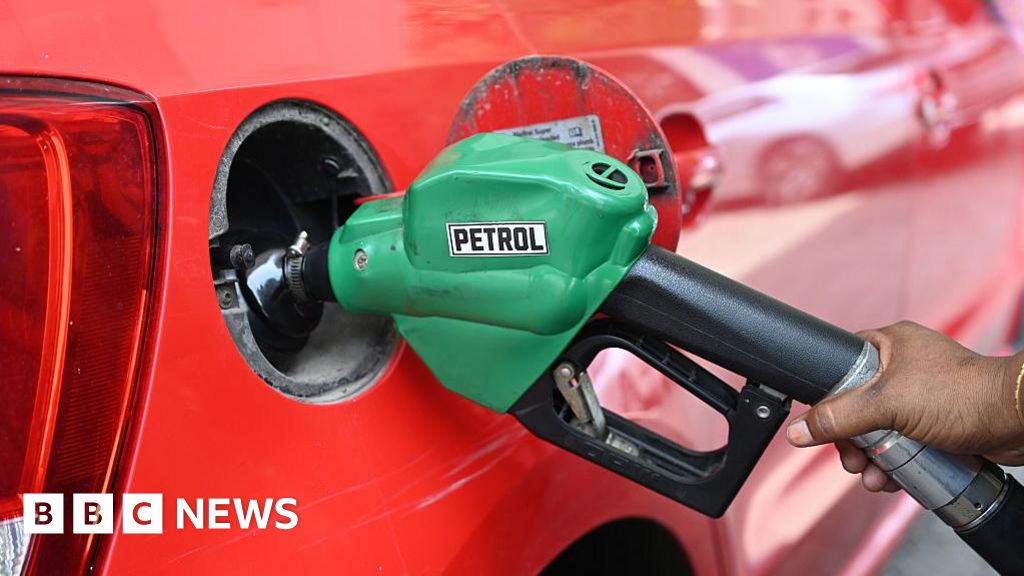
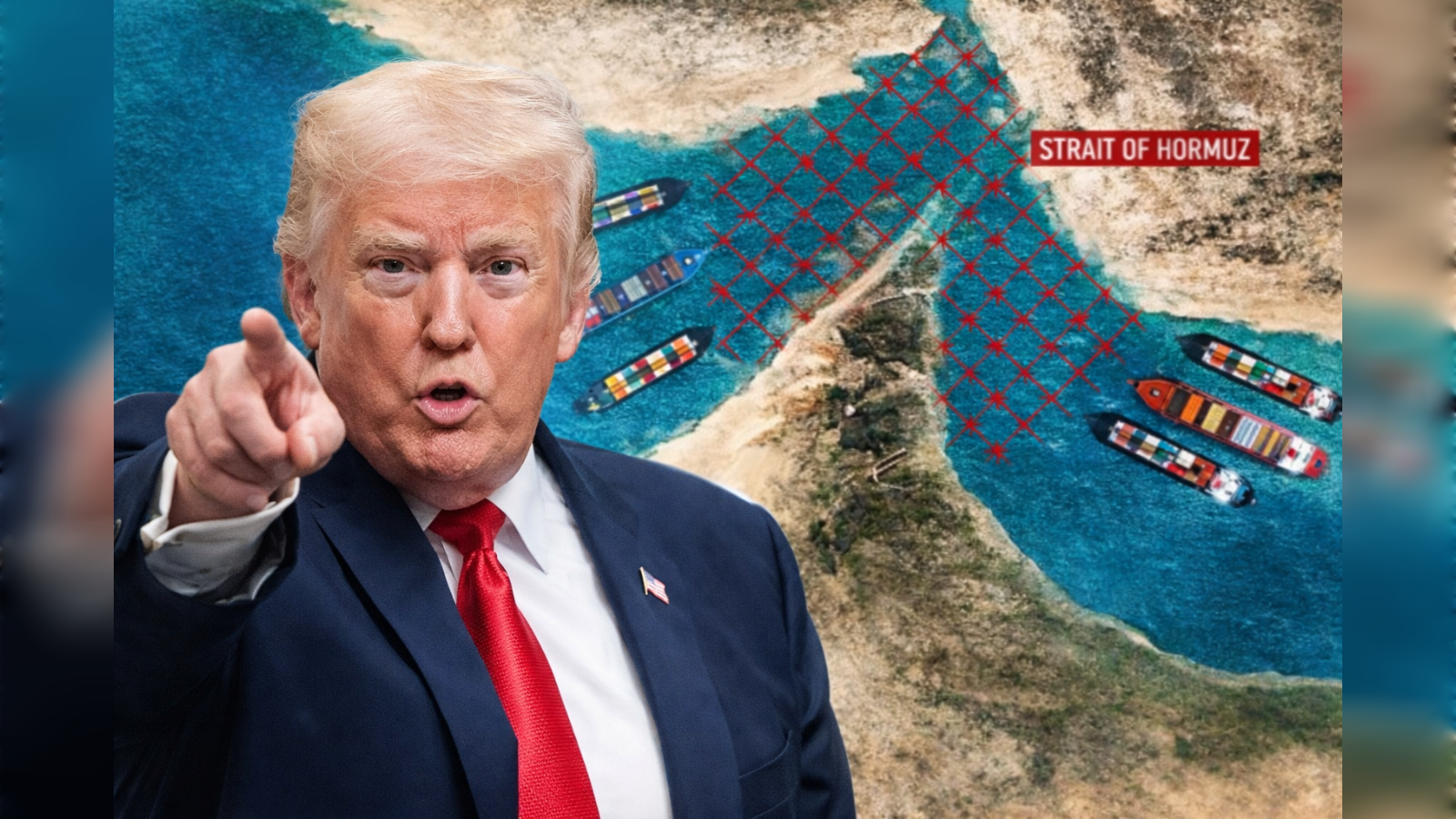
President Donald Trump stated on Saturday that an agreement with Iran has been “largely negotiated,” noting that the deal would include the reopening of the Strait of Hormuz. While specific details remain limited, the announcement follows a period of heightened diplomatic activity involving several regional stakeholders. The potential for a long-term peace deal has contributed to a slide in oil prices, as traders weigh the possibility of increased maritime security and uninterrupted supply chains in one of the world’s most vital energy corridors.
Diplomatic Efforts and Regional Negotiations
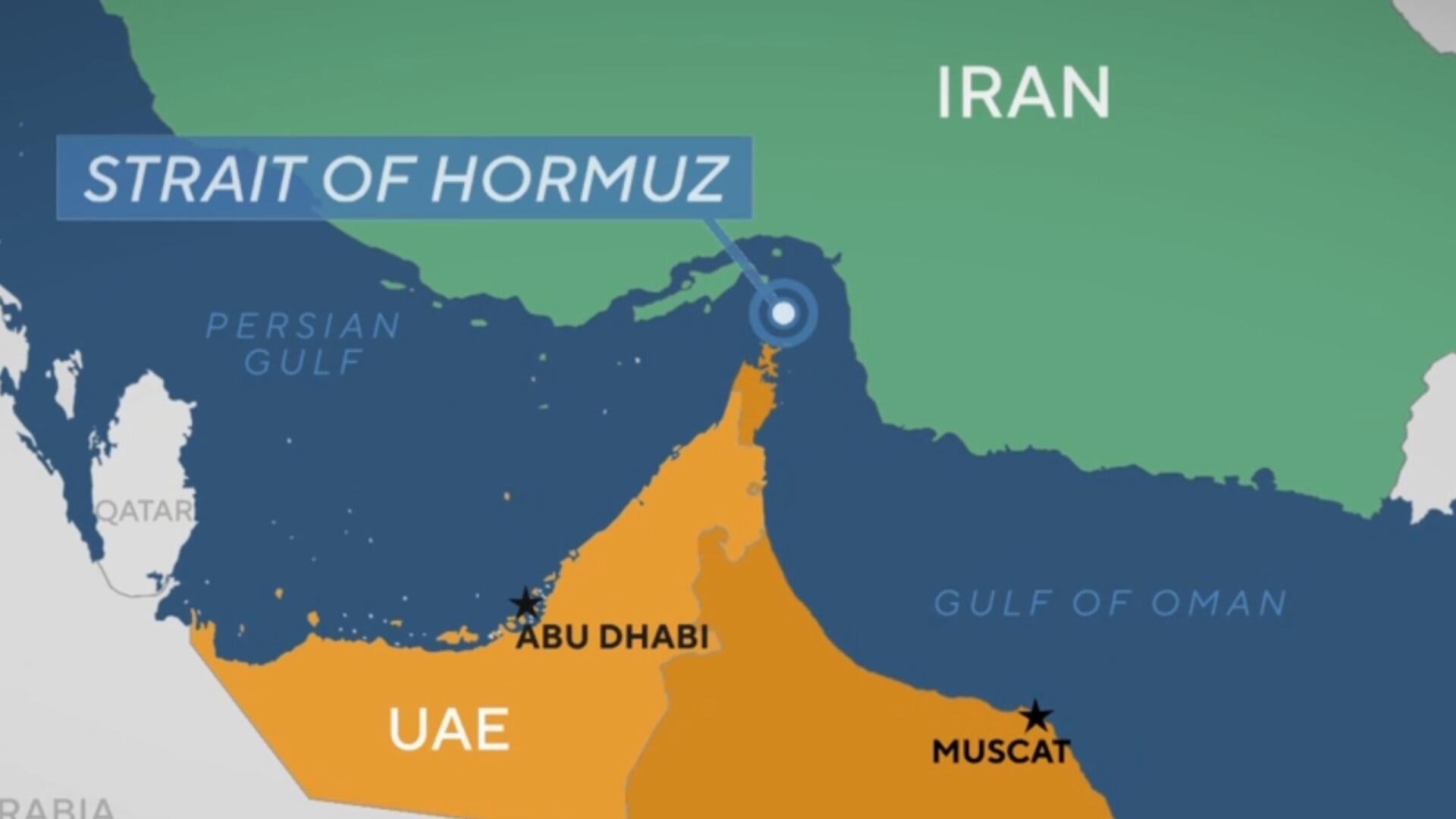
The current framework for potential peace appears to be the result of ongoing discussions that have gained momentum since a ceasefire was established in early April. According to reports from the British Broadcasting Corporation, the proposed deal involves a 60-day ceasefire extension. During this period, the focus remains on the stabilization of the Strait of Hormuz, a critical chokepoint for global oil transit.
President Trump characterized his recent interactions with regional leaders as productive, citing a “very good call” with the heads of state from Saudi Arabia, the United Arab Emirates, and Qatar regarding a Memorandum of Understanding focused on regional peace. In his public comments, the president emphasized that the final aspects of the deal are currently being finalized between the United States, Iran, and other involved nations. The president confirmed that he held a discussion with Israeli Prime Minister Benjamin Netanyahu, describing the conversation as one that “went very well.”
The diplomatic process has also involved the participation of Pakistan, which has served as an intermediary in the negotiations. Prime Minister Shehbaz Sharif of Pakistan has publicly acknowledged the progress, congratulating the U.S. Administration on its efforts and expressing hope for the continuation of the dialogue in the near future.
Market Response and Energy Security
The energy sector often serves as a barometer for geopolitical stability, and the news of a potential breakthrough has been reflected in market volatility. The Strait of Hormuz is widely considered a strategic bottleneck. a significant portion of the world’s daily petroleum consumption passes through these waters, making any disruption—or promise of stability—a major driver of oil price fluctuations.
While the administration has not released the full text of the agreement, President Trump has stated that any finalized deal would “absolutely” prevent Iran from obtaining a nuclear weapon. This commitment remains a core pillar of the U.S. Negotiating position as the administration seeks to balance regional security concerns with the goal of restoring predictable trade flows through the Persian Gulf.
As the international community awaits further details, observers are monitoring how these negotiations will influence future energy policy. The convergence of U.S. And Iranian positions, as noted by spokespeople for the Iranian foreign ministry, suggests that while both sides are engaging in substantive talks, significant hurdles remain. Iranian officials have cautioned that despite the progress, key issues are still subject to intense debate, particularly in light of what they described as “contradictory statements” emanating from Washington.
Looking Ahead: The Path to Finalization
For the global business community, the focus now shifts to the timeline for the finalization of the Memorandum of Understanding. The administration has signaled that more information will be made public shortly, though no specific date for a signing ceremony or a formal release of the agreement’s text has been established.
The complexity of these negotiations is underscored by the involvement of multiple regional powers, each with distinct security and economic interests. The role of intermediaries, such as Pakistan, highlights the multilateral nature of the current effort to move beyond the ceasefire and toward a more durable regional settlement.
As this remains a developing diplomatic situation, the next confirmed checkpoint will be the subsequent round of talks, which officials hope to host in the coming weeks. For readers following these developments, official updates from the White House and relevant government ministries remain the most reliable sources for information regarding the formal status of the agreement.
We invite our readers to share their perspectives on these developments in the comments section below. As the situation evolves, World Today Journal will continue to provide updates on the impact of these negotiations on global security and the energy markets.