
Berlin, Germany — May 25, 2026 — Leadership in healthcare IT isn’t just about mastering the latest technologies or navigating complex regulations. Sometimes, the most powerful strategies come from unexpected places—like the battlefields of the Civil War or the ancient workshops of Archimedes. As healthcare systems grapple with cybersecurity threats, digital transformation, and the relentless pace of innovation, a closer look at historical military and scientific principles reveals surprising parallels to modern challenges. For Chief Information Officers (CIOs) in healthcare, the lessons of Ulysses S. Grant’s relentless concentration of forces and Archimedes’ principle of leverage offer a roadmap for overcoming organizational inertia—a problem that persists despite decades of progress in healthcare technology.
Grant’s strategy during the Civil War was built on two pillars: focusing overwhelming force on a single objective and maintaining the will to push through resistance until victory was achieved. Similarly, Archimedes’ famous insight—that leverage amplifies effort—teaches us that even modest inputs, when applied with precision, can move mountains. In healthcare IT, where cybersecurity breaches, ransomware attacks, and outdated systems continue to threaten patient safety and operational continuity, these principles take on new urgency. Yet, as experts note, executing them is far harder than it sounds. Organizational inertia—deeply entrenched habits, bureaucratic resistance, and competing priorities—often derails even the most well-intentioned strategies.
This article explores how these historical frameworks can illuminate modern leadership challenges in healthcare IT, why they matter in an era of escalating cyber threats, and what they reveal about the gaps between strategy and execution. We’ll also examine recent developments in healthcare cybersecurity, the role of leadership in driving change, and the practical steps CIOs can take to apply these lessons in their own organizations.
Why These Historical Lessons Matter for Healthcare IT Today
Healthcare IT leaders face a paradox: they are expected to deliver transformative digital solutions while operating within systems that often resist change. The principles of Grant and Archimedes offer a framework for understanding why this paradox exists—and how to address it.
- Concentration of Forces: Grant’s strategy of focusing all available resources on a single critical objective mirrors the need for healthcare IT leaders to prioritize high-impact initiatives, such as cybersecurity resilience or interoperability, over scattered efforts.
- Leverage and Efficiency: Archimedes’ principle demonstrates how small, strategic investments—like automating routine security checks or consolidating vendor relationships—can yield outsized returns in terms of risk reduction and operational efficiency.
- Overcoming Inertia: Both Grant and Archimedes understood that success requires not just a good plan, but the persistence to execute it despite obstacles. In healthcare, this translates to building coalitions across departments, securing executive buy-in, and maintaining momentum even when progress stalls.
- Adaptability: Grant’s ability to pivot strategies in response to changing battlefield conditions reflects the agility healthcare IT leaders must demonstrate in the face of evolving threats, such as AI-driven cyberattacks or regulatory shifts.
The Grant Principle: Focused Leadership in an Era of Distraction
Ulysses S. Grant’s rise to prominence during the Civil War was defined by his ability to concentrate his forces on decisive objectives, even when faced with overwhelming odds. For modern healthcare CIOs, this principle is particularly relevant in an environment where attention is fragmented across cybersecurity, digital health innovation, regulatory compliance, and cost containment.

According to recent industry analyses, a significant majority of cybersecurity leaders—58%—admit they would pay a ransom to recover critical data, underscoring the high stakes of misplaced priorities. Yet, the data also reveals a critical disconnect: while ransomware and other cyber threats dominate headlines, many healthcare organizations continue to allocate resources broadly rather than focusing on the most vulnerable entry points—such as email-based attacks or outdated legacy systems.
Grant’s approach was not about spreading forces thinly across multiple fronts; it was about identifying the single point of failure and committing everything to its resolution. In healthcare IT, this could mean:
- Redirecting budgets from low-impact digital projects to foundational cybersecurity defenses, such as email security and employee training.
- Consolidating vendor relationships to reduce attack surfaces and streamline patch management.
- Aligning IT initiatives with clinical priorities, ensuring that technology investments directly support patient outcomes rather than operational silos.
Key Insight: The most effective healthcare IT leaders are those who can translate broad strategic goals—such as improving patient care through technology—into focused, measurable objectives. This requires not only technical expertise but also the ability to communicate priorities across organizational boundaries.
Archimedes’ Leverage: Small Investments, Big Impact
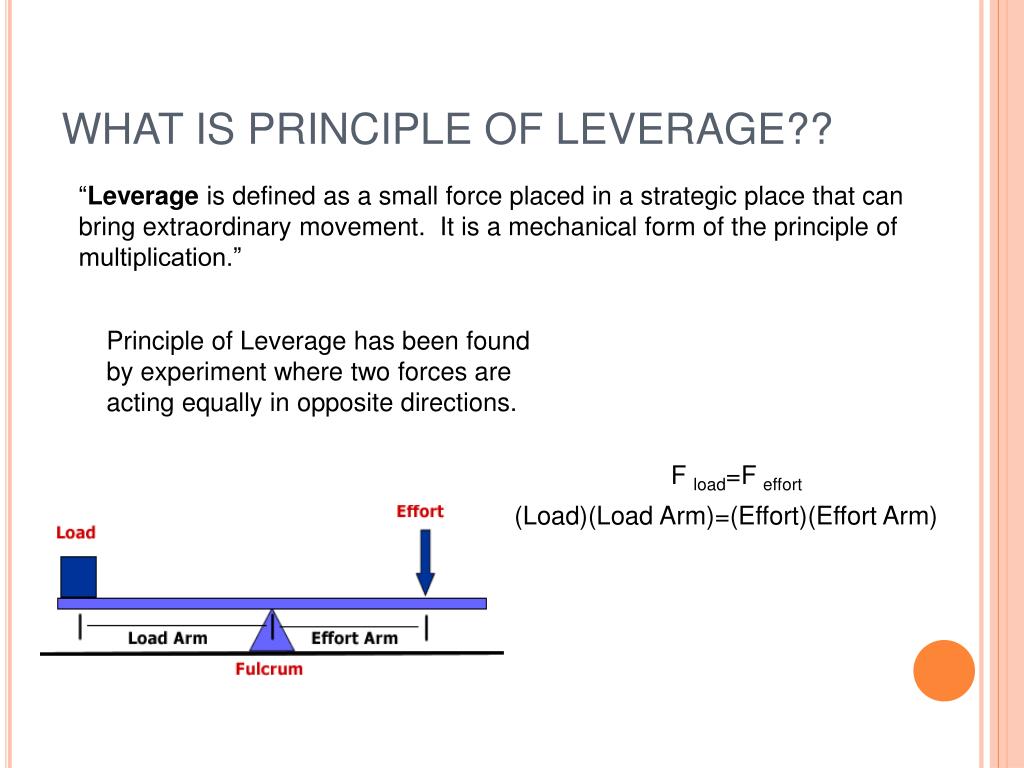
Archimedes’ famous statement, “Give me a place to stand, and I will move the Earth,” encapsulates the power of leverage. In healthcare IT, leverage isn’t about brute force; it’s about identifying the right points of influence where small, strategic changes can produce disproportionate results. For example:
- Automation: Automating routine security tasks—such as patch management or anomaly detection—can free up IT staff to focus on higher-value activities, such as threat hunting or compliance audits.
- Standardization: Standardizing on a limited number of software platforms or hardware configurations reduces complexity and simplifies security updates, much like how Archimedes’ lever multiplied force with minimal effort.
- Cross-Departmental Collaboration: Leveraging existing relationships between IT, clinical, and administrative teams can accelerate adoption of new technologies, such as electronic health records (EHRs) or telehealth platforms.
One area where leverage is particularly critical is in cybersecurity. A 2025 report from the Health Sector Coordinating Council (HSCC) highlighted that many healthcare organizations still lack basic email security measures, despite the fact that email remains the primary vector for ransomware and phishing attacks. By focusing on these foundational weaknesses—such as implementing multi-factor authentication (MFA) or employee cybersecurity training—organizations can achieve significant risk reduction with relatively modest investments.
Practical Example: A mid-sized hospital system in the U.S. Reduced phishing-related incidents by 40% within six months by deploying an AI-driven email filtering solution and conducting quarterly security awareness campaigns. The cost of the intervention was less than 1% of the organization’s annual IT budget, yet it prevented an estimated $2.5 million in potential ransomware losses (Proofpoint, 2025).
The Hardest Part: Overcoming Organizational Inertia
Both Grant and Archimedes understood that the real challenge wasn’t devising a strategy or identifying the right leverage points—it was executing that strategy despite resistance. In healthcare IT, organizational inertia manifests in several ways:

- Legacy Systems: Many healthcare organizations still rely on outdated software and hardware that are difficult to modernize due to integration challenges or vendor lock-in.
- Regulatory Complexity: Compliance requirements—such as HIPAA in the U.S. Or GDPR in Europe—can create a “paralysis by analysis” effect, where organizations delay action due to fear of non-compliance.
- Cultural Resistance: Clinicians and administrators may view IT initiatives as disruptive rather than enabling, leading to pushback against changes that could improve efficiency or security.
Breaking through this inertia requires a combination of persistence, clear communication, and measurable outcomes. Leaders who succeed in this area often employ tactics such as:
- Pilot programs: Testing new technologies or processes on a small scale to demonstrate value before full-scale rollout.
- Stakeholder engagement: Involving clinical and administrative leaders in the design and implementation of IT initiatives to build ownership.
- Transparency: Sharing progress and challenges openly to maintain trust and momentum.
Case Study: A 2024 interview with Ryan Witt, VP of Industry Solutions at Proofpoint, highlighted how some healthcare organizations have successfully addressed inertia by focusing on “basic blocking and tackling” in cybersecurity—such as securing email gateways and training employees—before moving on to more advanced initiatives. Witt noted that while artificial intelligence (AI) is transforming both offensive and defensive cybersecurity, the foundational steps remain critical for smaller and mid-sized health systems (healthsystemCIO, 2024).
What’s Next for Healthcare IT Leadership?
The lessons of Grant and Archimedes are timeless, but their application in healthcare IT must evolve alongside emerging threats and technological advancements. Key developments to watch include:
- AI and Cybersecurity: As AI becomes both a tool for attackers and defenders, healthcare leaders will need to focus on AI-driven threat detection and response while mitigating the risks of AI-generated phishing or deepfake attacks.
- Regulatory Shifts: New mandates, such as the proposed Health Sector Cybersecurity Coordination Act, could require healthcare organizations to adopt stricter cybersecurity standards, creating both challenges and opportunities for IT leaders.
- Workforce Development: Addressing the cybersecurity skills gap will remain a priority, with organizations investing in upskilling current employees and partnering with educational institutions to build the next generation of healthcare IT talent.
The next checkpoint for healthcare IT leaders will be the release of updated guidance from the Health Sector Coordinating Council (HSCC) in late 2026, which is expected to address the growing use of AI in cybersecurity and provide clearer mandates for smaller health systems. Organizations should monitor this guidance closely, as it may introduce new compliance requirements or best practices.
Key Takeaways: Applying Historical Wisdom to Modern Challenges
- Focus on High-Impact Objectives: Like Grant, healthcare IT leaders should concentrate resources on the most critical vulnerabilities, such as email security or legacy system risks.
- Leverage Small Investments: Archimedes’ principle reminds us that automating routine tasks or standardizing processes can yield outsized returns in efficiency and security.
- Build Coalitions: Overcoming organizational inertia requires collaboration across departments, with IT leaders acting as translators between clinical, administrative, and technical teams.
- Measure and Communicate Progress: Transparency about successes and challenges helps maintain momentum and secure buy-in from stakeholders.
- Stay Agile: The healthcare landscape is evolving rapidly, with AI, new regulations, and emerging threats reshaping the IT environment. Leaders must remain adaptable and ready to pivot strategies as needed.
Final Thoughts: Leadership as a Lever for Change
The principles of Grant and Archimedes offer more than just historical curiosity—they provide a framework for understanding why healthcare IT leadership is both more challenging and more rewarding than ever before. In an era where cybersecurity breaches can disrupt patient care, where digital transformation is a necessity, and where organizational inertia threatens progress, the ability to focus, leverage, and persist will define the most successful leaders.
As healthcare continues to embrace innovation, the leaders who draw on these timeless strategies will not only navigate the complexities of modern IT but also drive meaningful change—improving patient outcomes, enhancing operational efficiency, and securing the future of healthcare delivery.
What are your experiences with applying these principles in healthcare IT? Share your insights in the comments below, and don’t forget to follow World Today Journal for more expert analysis on healthcare leadership and innovation.
Keep reading