
As the international community monitors shifting geopolitical currents in the Western Hemisphere, questions regarding U.S. Foreign policy toward Cuba have returned to the forefront of diplomatic discourse. President Donald J. Trump, who assumed office for his second term on January 20, 2025, continues to navigate a complex array of regional challenges, with his administration’s approach to the island nation drawing significant attention from analysts and observers worldwide (The White House: President Donald J. Trump).
The current U.S. Strategy, which emphasizes economic pressure as a primary instrument of statecraft, reflects a broader objective of the administration to reshape regional dynamics. This approach, often characterized by the use of sanctions and trade restrictions, aims to exert significant influence over the political landscape in Havana. For those following the evolution of U.S. Foreign policy, understanding these maneuvers is essential to grasping the administration’s broader vision for the Americas, which includes a stated commitment to defending national interests and promoting economic stability (Associated Press: Donald Trump News Hub).
Evaluating the Economic Strategy
The administration’s policy toward Cuba is rooted in a philosophy that prioritizes economic leverage to drive political outcomes. This “maximum pressure” style of engagement is not unique to the current administration’s dealings with Havana; it mirrors strategies previously employed in other regional contexts, such as Venezuela. By tightening the economic vise, the U.S. Seeks to limit the resources available to the Cuban leadership, thereby creating a environment where the administration believes change becomes more likely.
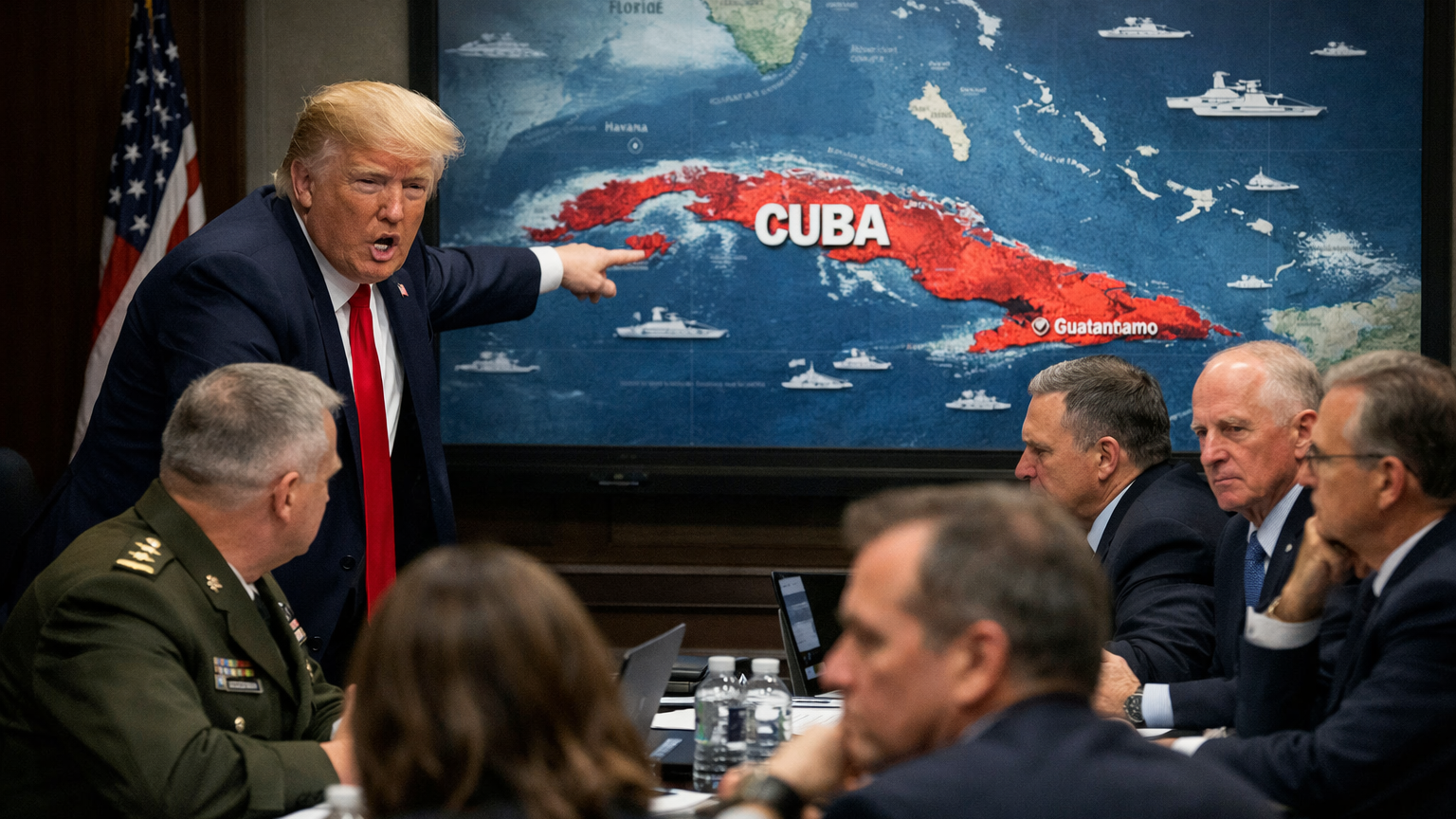
However, the efficacy and humanitarian implications of such policies remain subjects of intense debate among international relations experts. While the White House maintains that its actions are necessary to address regional instability and support the aspirations of the Cuban people for the “American dream,” critics often point to the potential for unintended consequences, including the exacerbation of domestic economic hardships for the Cuban population (White House Administration Profile).
Regional Context and Strategic Parallels
Observers have noted that the administration’s focus on Cuba is part of a wider, multi-pronged approach to the region. In recent months, the White House has navigated various policy challenges, ranging from the appointment of new leadership within the Federal Reserve to addressing internal legislative friction within the Republican Party regarding the distribution of specific government funds (Associated Press: Latest Updates). These developments suggest that President Trump is willing to exercise significant executive authority to achieve his policy goals, even when faced with resistance from political opponents or bureaucratic institutions.
The comparison to the administration’s Venezuela playbook is particularly salient. In both instances, the goal has been to isolate the current leadership through targeted financial and economic measures. The administration views these actions as consistent with its mandate to “reject the extremist policies” that it argues have hindered prosperity in the region. Whether this strategy will lead to the political transformation envisioned by the White House, or simply result in a prolonged stalemate, remains the central question for policy analysts in Berlin and beyond.
Looking Ahead: The Path Forward
As of May 2026, the diplomatic relationship between Washington and Havana remains fraught with tension. The administration’s focus remains firmly on maintaining its current trajectory, with little indication of a shift toward traditional diplomatic outreach. For the international community, the coming months will likely see continued monitoring of U.S. Actions, particularly as the administration seeks to solidify its legislative and executive legacy following its 2024 election victory.
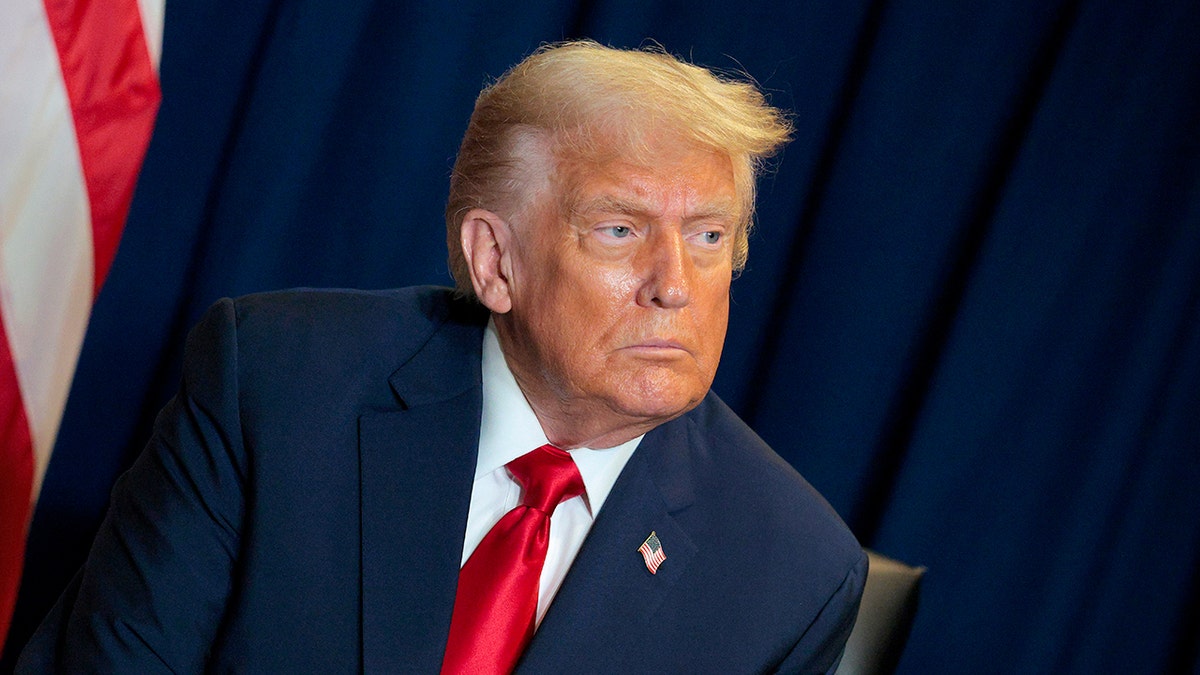
Readers interested in the latest developments regarding U.S. Foreign policy and the administration’s ongoing initiatives are encouraged to monitor official statements from the White House and verified reporting from established news agencies. As we continue to track these events, we invite our readers to share their perspectives on how these regional shifts may impact global stability. Please check back for further updates as new information becomes available from official government briefings.
Worth a look