
By Dr. Helena Fischer, Editor, Health
As global temperatures rise and heatwaves become more intense, recognizing the early signs of heatstroke—a potentially life-threatening condition—could save lives. While many associate heat-related illness with dizziness or excessive sweating, some symptoms, like persistent headaches, muscle cramps, and an “abnormal” fatigue, often go unnoticed until it’s too late. Medical experts warn that these warning signs require immediate attention, especially in vulnerable populations such as the elderly, children, and those with pre-existing health conditions.
Heatstroke occurs when the body’s temperature regulation system fails, typically when core temperatures exceed 40°C (104°F). Unlike heat exhaustion, which is milder, heatstroke is a medical emergency that can lead to organ damage or death within hours if untreated. According to the World Health Organization (WHO), extreme heat is responsible for thousands of deaths annually, with projections suggesting this number will rise as climate change intensifies.
This guide breaks down the key symptoms of heatstroke—from subtle indicators like headaches and muscle cramps to more severe signs such as confusion and loss of consciousness—along with expert-recommended actions to take if you or someone else is affected. We also explore why certain groups are at higher risk and how public health authorities are responding to the growing threat of heat-related illnesses.
Recognizing Heatstroke: The Early Warning Signs
Heatstroke does not always present with the dramatic symptoms depicted in emergency dramas. In fact, many victims experience a gradual onset of symptoms that can be easily dismissed as dehydration or overexertion. The following signs should prompt immediate action:
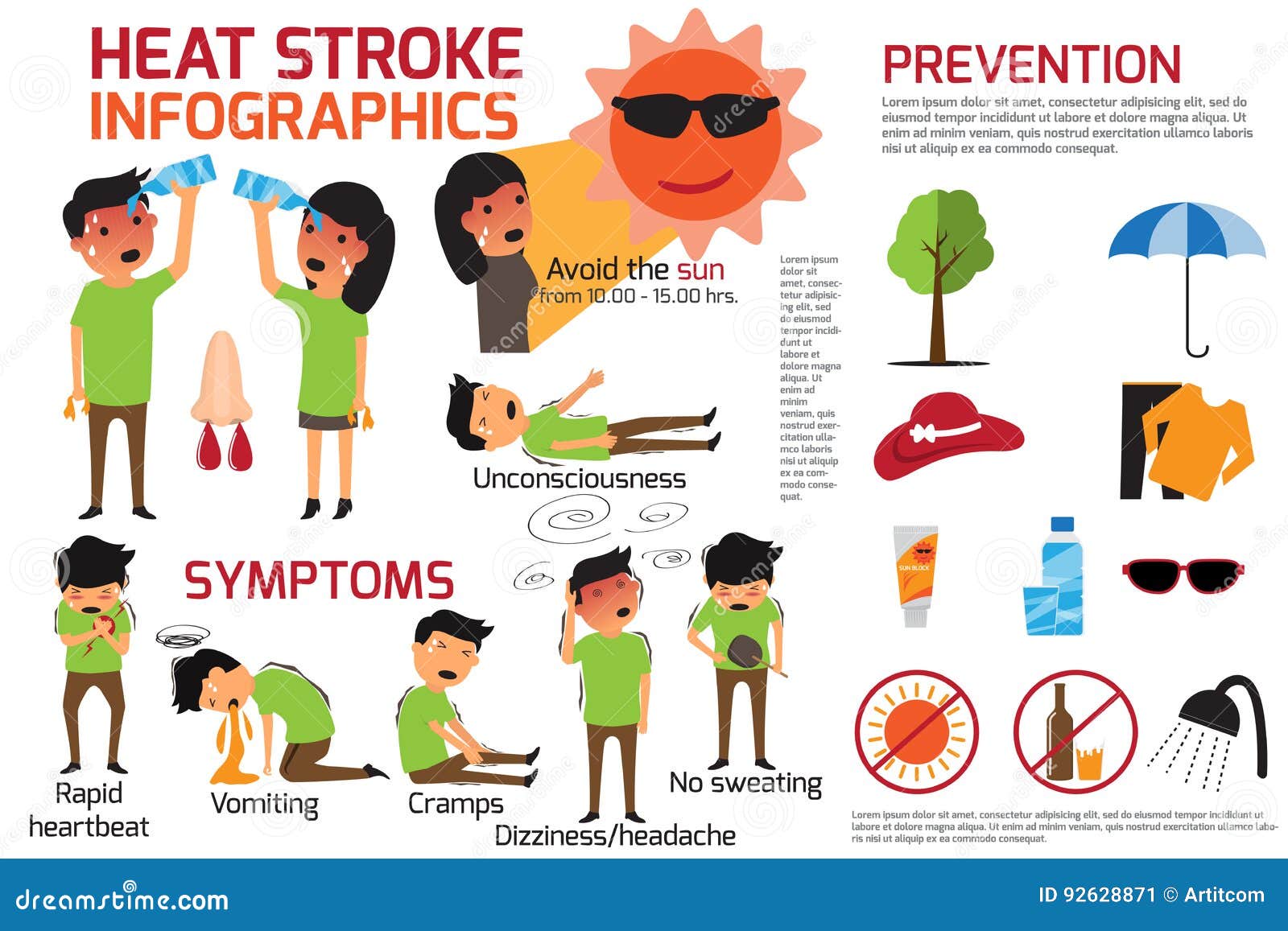
- Headaches: Often described as throbbing or persistent, headaches are one of the first indicators that the body is struggling to cool itself. Unlike typical tension headaches, these are frequently accompanied by other warning signs.
- Muscle cramps or spasms: Severe cramping in the legs, arms, or abdomen can occur as the body loses electrolytes through excessive sweating. These cramps may be so intense that they limit movement, worsening heat retention.
- Unusual fatigue or weakness: Feeling unusually exhausted, even after minimal physical activity, is a red flag. This fatigue often stems from the body diverting energy away from essential functions to prioritize cooling.
- Nausea or vomiting: Heatstroke can disrupt the digestive system, leading to nausea or even vomiting. This symptom is particularly dangerous because dehydration worsens rapidly when fluids are lost.
- Dizziness or confusion: As core body temperature rises, cognitive function declines. Victims may experience disorientation, slurred speech, or an inability to think clearly.
- Hot, dry skin (or profuse sweating in some cases): Unlike heat exhaustion, which often involves heavy sweating, heatstroke may present with skin that is hot to the touch but dry. In rare cases, sweating continues even as the body overheats.
- Rapid pulse and breathing: The heart and lungs work overtime to compensate for the body’s inability to regulate temperature, leading to an accelerated heart rate and shallow breathing.
If any of these symptoms appear—especially in combination—seek emergency medical care immediately. Delaying treatment can lead to organ failure, seizures, or coma. According to a CDC report, heatstroke fatalities have increased in recent years, with the elderly and those with chronic illnesses being the most vulnerable.
Who Is Most at Risk?
Not everyone reacts to heat the same way. Certain groups are significantly more susceptible to heatstroke due to physiological or environmental factors:
- Elderly individuals: Aging reduces the body’s ability to sweat efficiently and regulate temperature. Many older adults also take medications that impair hydration or circulation, increasing their risk.
- Infants and young children: Children’s bodies heat up three to five times faster than adults’. They are also less likely to recognize when they are too hot and may not communicate their discomfort effectively.
- People with chronic illnesses: Conditions such as heart disease, diabetes, or respiratory disorders can interfere with the body’s cooling mechanisms. Medications for these conditions may also contribute to heat intolerance.
- Outdoor workers or athletes: Those engaged in strenuous activity in hot environments are at higher risk, particularly if they are not properly hydrated or acclimated to the heat.
- Individuals with obesity or low mobility: Excess body fat can increase heat production, while limited mobility may make it difficult to seek cooler environments or drink water regularly.
Public health officials emphasize that heatstroke is preventable with awareness and proactive measures. The European Union’s heat health action plans highlight the importance of community-wide strategies, such as early warning systems, hydration campaigns, and cooling centers, to protect vulnerable populations.
What to Do If You Suspect Heatstroke
If someone exhibits signs of heatstroke, every minute counts. Follow these steps to minimize harm while waiting for professional medical assistance:
- Move to a cooler environment: Get the person out of the heat immediately, whether that means moving them to the shade, an air-conditioned room, or a vehicle with the engine off and windows cracked.
- Cool the body: Use cool (not icy) water to dampen clothing or skin. Place ice packs or wet towels on the neck, armpits, and groin—areas with major blood vessels. Avoid using very cold water, as it can cause shock.
- Hydrate (if conscious): Offer small sips of water if the person is alert and able to swallow. Do not force fluids if they are vomiting or unconscious.
- Loosen clothing: Remove tight or heavy clothing to help the body release heat.
- Monitor vital signs: Check for signs of breathing difficulties, irregular pulse, or loss of consciousness. If the person stops responding, begin CPR if trained to do so.
- Seek emergency care: Heatstroke is a medical emergency. Call emergency services or transport the person to the nearest hospital immediately, even if symptoms seem to improve.
It’s crucial to note that heatstroke can recur even after initial symptoms subside. Victims should be monitored for at least 24 hours for signs of complications such as dehydration, kidney failure, or neurological damage.
Public Health Responses: Cooling Strategies and Warnings
As heatwaves become more frequent and severe, governments and health organizations are implementing measures to mitigate risks. In Europe, for example, the European Centre for Disease Prevention and Control (ECDC) issues heat health alerts when temperatures exceed safe thresholds. These alerts trigger public health advisories, including:

- Opening cooling centers in public buildings, libraries, and community spaces.
- Providing free water distribution in high-risk areas.
- Launching public awareness campaigns on heat safety, particularly targeting vulnerable groups.
- Coordinating with healthcare providers to increase staffing and resources during heatwaves.
In the United States, cities like Phoenix and Los Angeles have adopted “extreme heat action plans” that include mandatory cooling breaks for outdoor workers, expanded public transit schedules to reduce heat exposure, and partnerships with utility companies to ensure vulnerable residents have access to air conditioning.
While these measures are critical, experts stress that individual preparedness is equally important. Simple steps—such as staying hydrated, avoiding peak sun hours, wearing lightweight clothing, and checking on neighbors—can make a significant difference during extreme heat events.
Key Takeaways: Protecting Yourself and Others
- Recognize the warning signs: Headaches, muscle cramps, and fatigue are early indicators of heatstroke. Do not ignore these symptoms, especially in high-risk individuals.
- Act fast: If heatstroke is suspected, cool the body immediately and seek emergency care without delay.
- Prioritize hydration and rest: Drink water regularly, even if you don’t feel thirsty, and avoid strenuous activity during the hottest parts of the day.
- Check on vulnerable neighbors: The elderly, children, and those with chronic illnesses may not recognize the dangers of heat exposure. Regular check-ins can prevent tragedies.
- Stay informed: Follow local weather alerts and public health advisories, particularly during heatwave warnings.
As climate change continues to reshape our environment, heat-related illnesses will remain a pressing public health challenge. By understanding the symptoms of heatstroke and taking proactive steps to stay safe, we can reduce the risk of severe outcomes and protect our communities.
Next Steps: The next update on heat health advisories will be issued by the World Health Organization following the conclusion of the 2026 summer heatwave season. In the meantime, readers are encouraged to share their experiences and tips for staying cool in the comments below.
Have you or someone you know experienced heat-related illness? Share your story in the comments—your insights could help others stay safe.
Worth a look
- South Korea Heatwave: 1,701 Heat Illness Cases and 13 Deaths Reported as KCDC Urges Safety Precautions
- This Seated Twisting Pose Helps Unravel Your Unhelpful Patterns
- Texas Heat Vulnerability: The Cost of Extreme Weather Policies (news-usa.today)
- Japan Quake Death Toll Reaches 34 Amid Extreme Heat and Water Shortages (archyworldys.com)