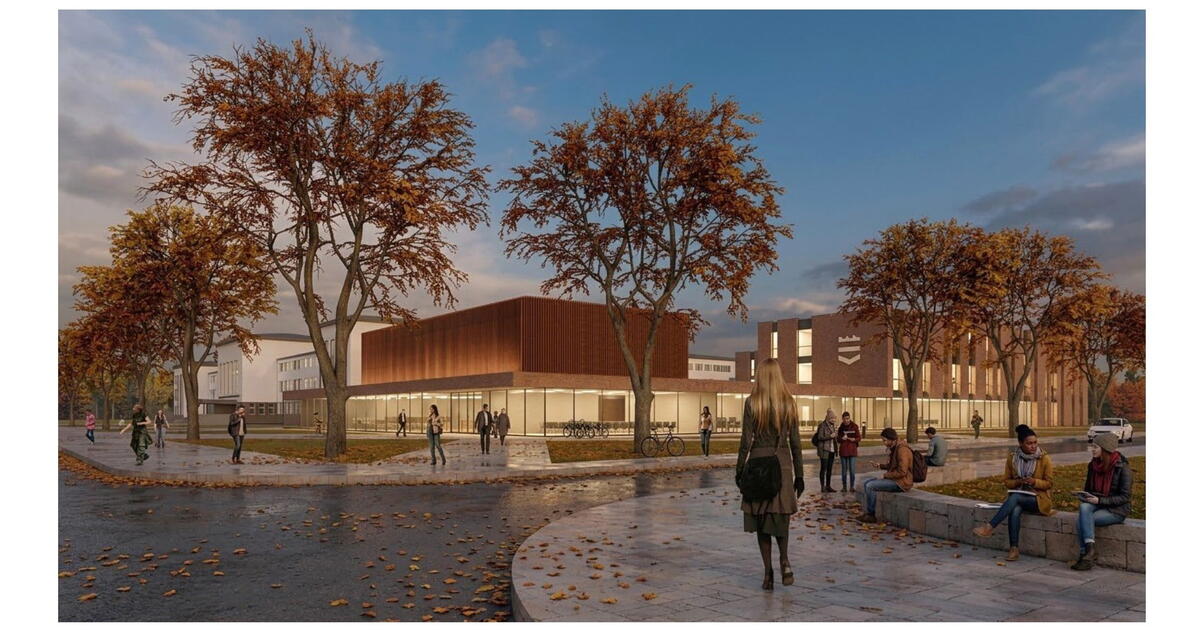
Klaipėda, the third-largest city in Lithuania, is currently undergoing a significant shift in its urban development strategy as local authorities and academic stakeholders advance plans for a dedicated student campus. This initiative, aimed at centralizing academic infrastructure and enhancing the living environment for the city’s growing university population, represents a strategic effort to strengthen the port city’s status as a regional education hub.
The proposed development of a student campus in Klaipėda (Klaipėdoje planuojamas studentų miestelis) is intended to integrate housing, modern study facilities, and recreational spaces into a cohesive district. By consolidating resources, the project seeks to address the evolving needs of students attending institutions like Klaipėda University, while simultaneously stimulating urban revitalization in the surrounding areas. City planners and academic officials are currently evaluating how this project will align with the broader long-term development goals for the Baltic coastal region.
Strategic Importance of Academic Infrastructure
Urban planners in Lithuania have increasingly prioritized the creation of “student towns” or specialized campus environments to stem the outflow of young talent and improve the overall quality of higher education. For Klaipėda, the project is viewed as a vital component of its economic and social fabric. A centralized campus is expected to foster greater collaboration between students, faculty, and local industrial sectors—particularly those involved in maritime, logistics, and renewable energy industries, which are cornerstones of the city’s economy.
The development of such infrastructure is not merely about construction; it is about creating an ecosystem that supports research, and innovation. By clustering laboratories, lecture halls, and residential units, the city hopes to create a more attractive environment for international students and researchers. According to the Klaipėda University (KU) development strategy, enhancing campus accessibility and modernization remains a key institutional priority for maintaining competitiveness in the European Higher Education Area.
Urban Planning and Regional Development
The integration of a student district into the city’s urban layout requires careful coordination with the Klaipėda City Municipality. The planning process involves zoning adjustments, environmental impact assessments, and public consultations to ensure the project meets the needs of both the academic community and permanent residents. The transformation of existing urban spaces into a modern campus is part of a wider effort to modernize the city’s infrastructure, a process monitored by the Klaipėda City Municipality.
Key considerations for the project include:
- Accessibility: Ensuring the campus is well-connected to public transport networks and the city center.
- Sustainability: Incorporating energy-efficient building standards in line with EU Green Deal initiatives.
- Integration: Ensuring that the student population contributes positively to the social and cultural life of the surrounding neighborhoods.
Addressing Current Challenges
While the project promises long-term benefits, it faces the typical challenges associated with large-scale urban development, including funding procurement and construction timelines. Financing for such projects often involves a combination of state budget allocations, structural funds from the European Union, and public-private partnerships. As noted in recent European Regional Development Fund reports, urban renewal projects that focus on educational infrastructure are essential for regional cohesion.
Stakeholders remain focused on ensuring that the development remains financially viable while delivering high-quality facilities. The project’s success will likely depend on the synergy between academic leadership and local government, as well as the ability to adapt to changing demographics and the needs of a digital-first learning environment.
What Happens Next
The project is currently in the planning and development phase. Further updates are expected as the municipality and university representatives finalize the architectural briefs and secure the necessary permits. Residents and interested parties can monitor official updates through the Klaipėda City Municipality’s official news portal, where upcoming public hearings and planning documents are typically published.
As this development moves forward, it will be critical to observe how the city balances the growth of its academic sector with the preservation of its historical and maritime character. The creation of a student campus is a significant step toward defining the future of Klaipėda as a center of knowledge and innovation in the Baltic Sea region. We will continue to track these developments as more information becomes available.
What are your thoughts on the impact of a dedicated student district on urban life in Klaipėda? Join the conversation in the comments section below or share this report with your network.
- Abdul El-Sayed Wins Michigan Democratic US Senate Primary
- US-Iran Conflict Live Updates: Trump Announces Talks, Strait of Hormuz Agreement Expected, and Oil Prices Fall
- UAMS Little Rock Student Spotlight: Bailey’s Journey (news-usa.today)
- RAP vs. IBR: What Your New Student Loan Bill Actually Costs (daybreakwire.com)