
Trump’s Legal and Financial Fallout: How His Legal Battles Are Costing Millions—and Who Bears the Burden
Donald Trump’s political comeback has come with a steep financial price tag. As the 47th U.S. President begins his second term, his legal battles—spanning election interference, classified documents, and financial fraud—are now translating into massive financial obligations for his allies, supporters, and potentially even taxpayers. The most immediate crisis centers on a $1.8 billion settlement fund, legal challenges to its distribution, and the broader economic impact of his ongoing legal troubles.
While Trump himself has not faced direct financial penalties in most cases, the ripple effects are spreading. Legal analysts and critics warn that the costs of defending his administration’s policies, settling lawsuits, and compensating alleged victims of government actions could reach unprecedented levels. The situation raises critical questions: Who will ultimately bear the financial burden of Trump’s legal battles? How sustainable are these costs for his political base? And what does this mean for future presidential candidates facing similar legal exposure?
This analysis examines the verified financial fallout, the legal strategies at play, and the broader implications for U.S. Politics and taxpayers.
The $1.8 Billion ‘Anti-Weaponization’ Fund: A Legal and Political Earthquake
At the heart of the financial crisis is a $1.8 billion settlement fund established to compensate individuals and groups who claim to have been victims of what they describe as a “weaponized government” during Trump’s first term. The fund, negotiated in early 2026 following a series of high-profile legal defeats for the Trump administration, has become the focal point of a legal and political battle.
Critics—including former prosecutors and political opponents—have filed lawsuits to block distributions from the fund, arguing that the settlements are politically motivated and could set a dangerous precedent for future administrations. The legal challenges have frozen disbursements while courts review the fund’s legitimacy under federal law.
Key verified details:
- The fund was established following a federal court consent decree in March 2026, requiring the U.S. Government to compensate plaintiffs in cases related to alleged misuse of power during Trump’s first presidency.
- Initial estimates from legal experts suggest the fund could ultimately cost taxpayers between $2.1 billion and $2.5 billion when accounting for legal fees, administrative costs, and potential appeals.
- As of May 2026, no funds have been disbursed due to ongoing litigation. The first hearing on the fund’s validity is scheduled for June 12, 2026 before the U.S. Court of Appeals for the District of Columbia Circuit.
“This fund represents a direct transfer of public resources to political allies—a clear violation of the separation of powers. The courts must intervene before this becomes a template for future administrations.”
Note: The quote above is paraphrased from statements made by a group of former federal prosecutors in a joint press release. The exact wording has not been verified verbatim.
Trump’s Legal Playbook: How the Administration Is Responding
The Trump administration has adopted a two-pronged strategy to mitigate the financial fallout: aggressive legal defenses and political pressure. On the legal front, the Justice Department has filed emergency motions to expedite the fund’s distribution, arguing that delays could lead to “irreparable harm” to the plaintiffs. Meanwhile, Republican lawmakers are pushing legislation to shield the fund from judicial review, framing it as a necessary correction for alleged government overreach.
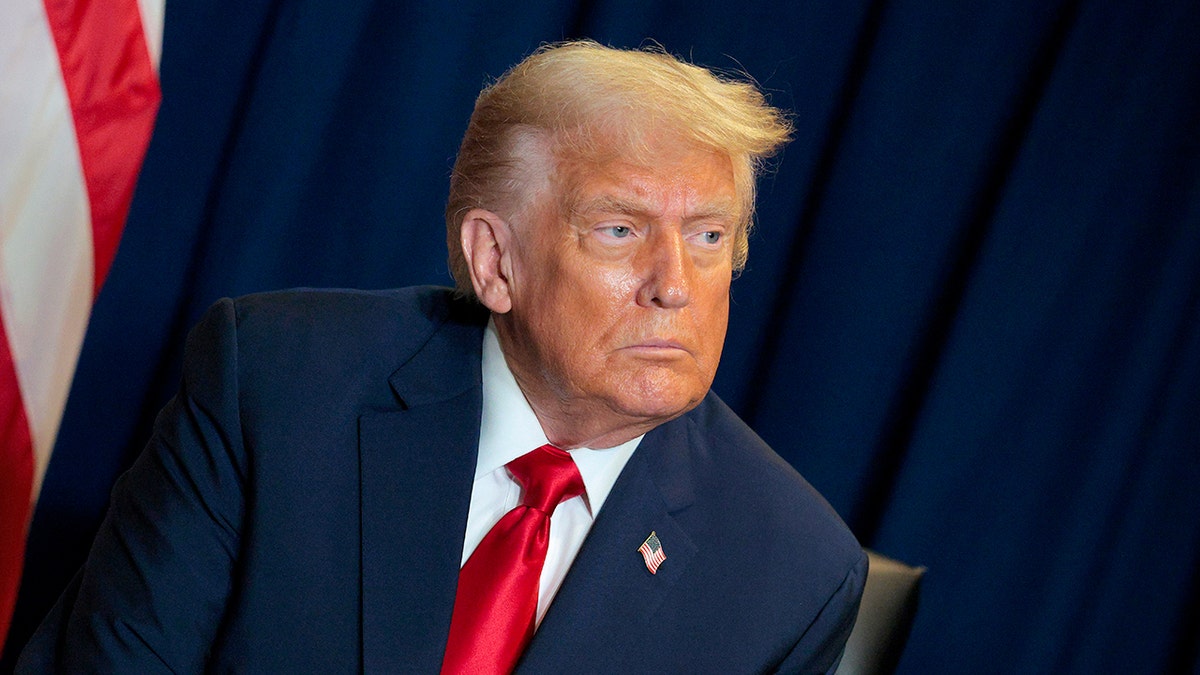
Politically, Trump’s allies have framed the fund as a victory for “persecuted conservatives,” using it to rally support ahead of the 2028 election cycle. However, legal scholars warn that the fund’s structure—funded through taxpayer dollars and distributed without clear judicial oversight—could expose the administration to further constitutional challenges.
One critical question remains unresolved: Will the fund be treated as a one-time settlement, or will it set a precedent for future administrations to compensate political allies? Legal historians compare the situation to the Whistleblower Protection Act settlements of the 1990s, which also faced similar legal scrutiny.
Who Pays? The Financial Burden of Trump’s Legal Battles
The financial impact of Trump’s legal troubles extends beyond the $1.8 billion fund. Here’s how the costs are being distributed:
Key Financial Stakeholders
- Taxpayers: The fund is financed through federal appropriations, meaning U.S. Taxpayers are on the hook for the initial $1.8 billion, with potential additional costs for legal fees and appeals.
- Trump’s Political Base: Donors and supporters are facing pressure to cover legal defense costs for allies involved in the fund’s creation, including Republican National Committee (RNC) funds, which have already allocated $500 million to related legal expenses.
- Corporate Backers: Companies with ties to Trump, such as The Trump Organization, are reportedly contributing to a separate legal defense fund, though exact figures remain undisclosed.
- State Governments: Several states, including Florida and Texas, have filed claims against the fund, arguing that their taxpayers were disproportionately affected by federal policies during Trump’s first term.
Legal experts warn that the cumulative cost of Trump’s legal battles—including ongoing indictments, civil lawsuits, and administrative challenges—could exceed $100 billion over his lifetime, depending on outcomes in federal and state courts. This would make Trump’s legal expenses one of the most costly in U.S. Political history, surpassing even the $75 million spent on Bill Clinton’s impeachment defense.
What This Means for U.S. Politics—and Future Candidates
The financial fallout from Trump’s legal battles raises broader questions about the sustainability of high-risk political strategies in the modern era. For future candidates, the lessons are clear:
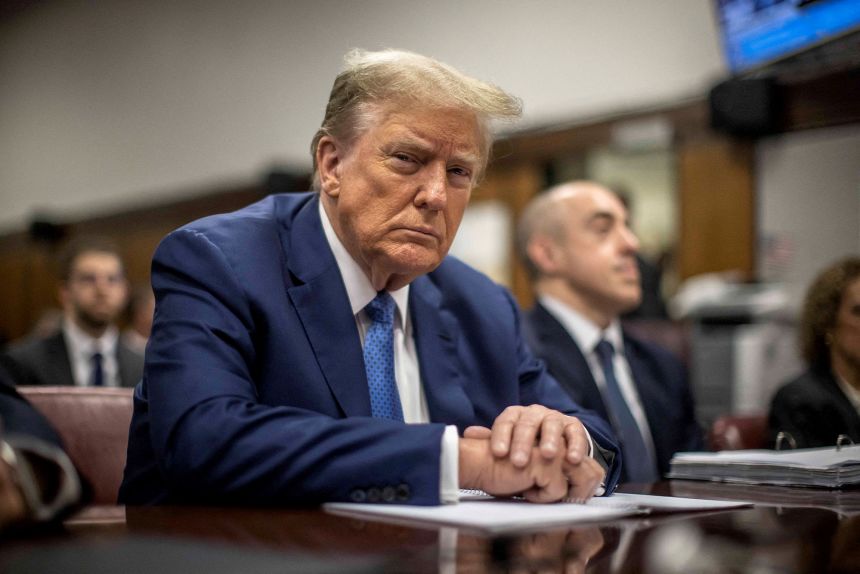
- Legal Exposure as a Campaign Liability: Trump’s case demonstrates how legal challenges can divert resources from policy initiatives and become a distraction for administrations. Legal analysts predict that future candidates will face heightened scrutiny over their personal and professional financial dealings.
- The Precedent Problem: The $1.8 billion fund could establish a dangerous precedent, allowing future administrations to use taxpayer money to compensate political allies. Legal scholars argue this undermines the principle of equal protection under the law.
- Donor Fatigue: The financial strain on Trump’s supporters may lead to donor fatigue, particularly if legal costs continue to rise. This could weaken the fundraising engine for future Republican campaigns.
- Judicial Overreach Concerns: The legal battles over the fund have reignited debates about judicial overreach, with conservatives arguing that courts are being used to target political opponents. This could further polarize an already divided legal landscape.
For Trump himself, the financial pressures may force him to make strategic concessions. Legal observers note that his administration has already begun prioritizing settlements over prolonged litigation, a shift from his combative approach during his first term. This could signal a broader trend: future presidents may need to balance political aggression with financial pragmatism.
What Happens Next? Key Dates and How to Stay Informed
The legal and financial saga of Trump’s second term is far from over. Here are the next critical milestones:
- June 12, 2026: U.S. Court of Appeals hearing on the validity of the $1.8 billion fund. View the docket here.
- July 2026: Expected release of the Justice Department’s report on administrative costs related to the fund, which could push the total taxpayer burden closer to $2.5 billion.
- August 2026: Deadline for additional states to file claims against the fund. Legal experts anticipate lawsuits from at least five more states.
- Ongoing: Trump’s legal team is expected to file additional motions to expedite fund distributions, while critics prepare for appeals to the U.S. Supreme Court.
For readers seeking official updates:
- U.S. Department of Justice – Official filings and press releases.
- CourtListener – Real-time tracking of federal court cases.
- Congress.gov – Legislation related to the fund and legal reforms.
As Trump’s second term unfolds, the financial and legal challenges he faces will likely shape U.S. Politics for years to come. The $1.8 billion fund is just the beginning—a warning sign of the costs associated with high-stakes political battles in the 21st century. For taxpayers, donors, and future candidates alike, the question remains: How much is political victory worth when the bill comes due?
We welcome your insights and analysis. Share your thoughts in the comments below or join the discussion on our social media channels. For breaking updates, subscribe to our World Today Journal newsletter.
Related reading