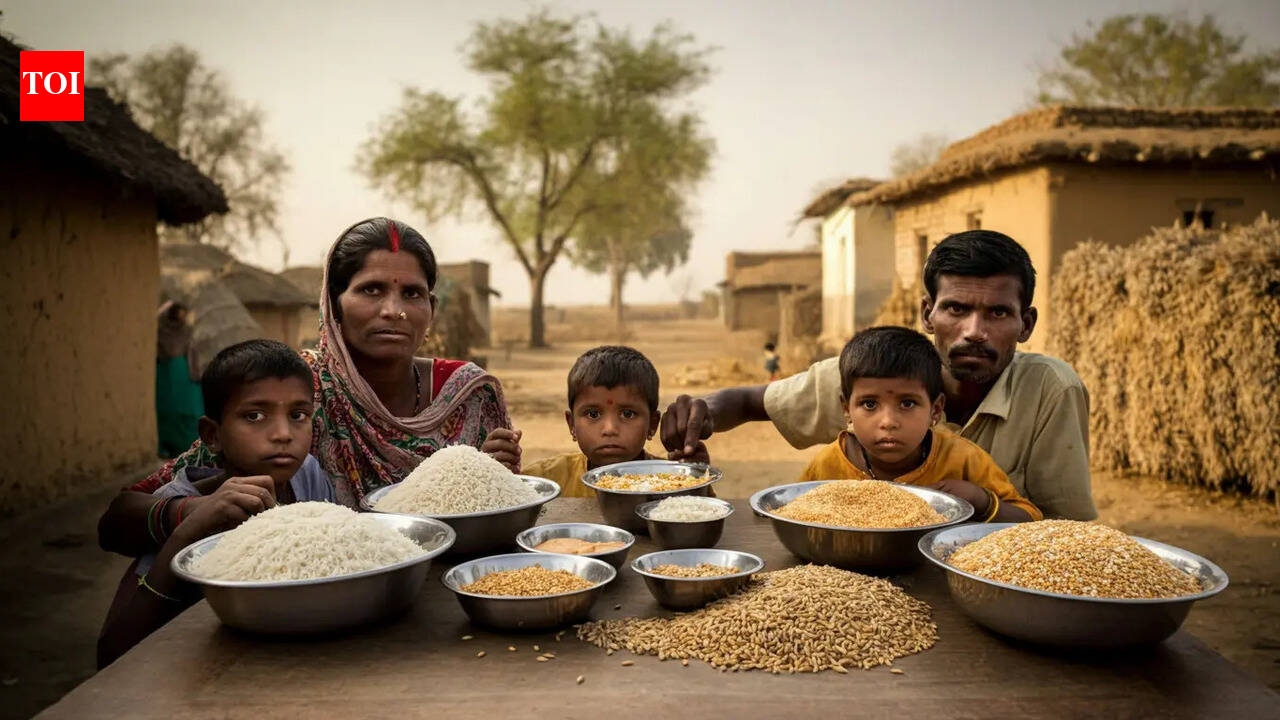
A significant dietary shift in India, characterized by a heavy reliance on cereals and a notable neglect of other essential food groups, is being linked to a rising tide of metabolic diseases across the nation. New findings from a large-scale study conducted by the Indian Council of Medical Research (ICMR) suggest that the current nutritional landscape—dominated by high-quality carbohydrate intake and insufficient protein—is a primary driver of the country’s escalating rates of type 2 diabetes and obesity.
The research, which analyzed data from the national ICMR-India Diabetes survey, highlights a critical imbalance in the typical Indian diet. According to the study, the prevalence of low-quality carbohydrates, such as white rice, milled whole grains, and added sugars, combined with high levels of saturated fats and low protein consumption, is creating a “perfect storm” for cardiometabolic health crises.
As India undergoes a rapid dietary transition, the findings serve as a stark warning for public health officials and policymakers. The data suggests that merely swapping one type of grain for another may not be enough to curb the metabolic epidemic unless the fundamental composition of the diet—specifically the ratio of carbohydrates to protein—is addressed.
The Carbohydrate Dominance and Metabolic Risk
The ICMR-India Diabetes survey, which included a substantial sample of 18,090 adults, provides a detailed look at how dietary patterns correlate with metabolic health. The study found that individuals with the highest carbohydrate intakes faced significantly higher risks of several chronic conditions compared to those with the lowest intakes.
The statistical evidence for this increased risk is compelling. The study reported that those consuming the highest amounts of carbohydrates had an odds ratio (OR) of 1.30 for being newly diagnosed with type 2 diabetes (T2D). This indicates a 30% higher likelihood of diagnosis compared to the lowest carbohydrate-consuming group. The risk extended to other metabolic markers:
- Prediabetes: An odds ratio of 1.20 (a 20% increased risk).
- Generalized Obesity: An odds ratio of 1.22 (a 22% increased risk).
- Abdominal Obesity: An odds ratio of 1.15 (a 15% increased risk).
The dietary profile identified in the survey is characterized by a heavy reliance on low-quality carbohydrates, specifically white rice and milled whole grains, alongside high levels of added sugar. This nutritional pattern is often accompanied by high levels of saturated fats and a marked deficiency in protein intake, a combination that researchers believe is central to the rising metabolic burden in the region.
The Limitations of Grain Substitution
In recent years, there has been significant public health discourse regarding the benefits of replacing refined cereals with whole grains, such as whole wheat or millets, to combat diabetes. However, the ICMR study introduces a crucial nuance that challenges the simplicity of this approach.
The researchers utilized a method known as isocaloric substitution—a process where one macronutrient is replaced by another while keeping the total number of calories the same. The study found that replacing refined cereals with whole wheat or millet flour did not significantly lower the risk of type 2 diabetes (OR = 0.94) or abdominal obesity (OR = 1.08), provided that the overall quantity of carbohydrates remained unchanged.
This finding is particularly important for nutritional guidance. It suggests that while whole grains are generally healthier, the metabolic benefits of switching from white rice to millet may be neutralized if the total carbohydrate load remains excessively high. For the Indian population, the issue may not just be the type of carbohydrate being consumed, but the volume relative to other nutrients.
The Protein Advantage: A Path to Mitigation
While grain substitution showed limited results in the absence of carbohydrate reduction, the study found that substituting carbohydrates with protein yielded much more promising results for metabolic health. When carbohydrates were replaced with plant, dairy, egg, or fish proteins on an isocaloric basis, the likelihood of developing metabolic diseases decreased significantly.
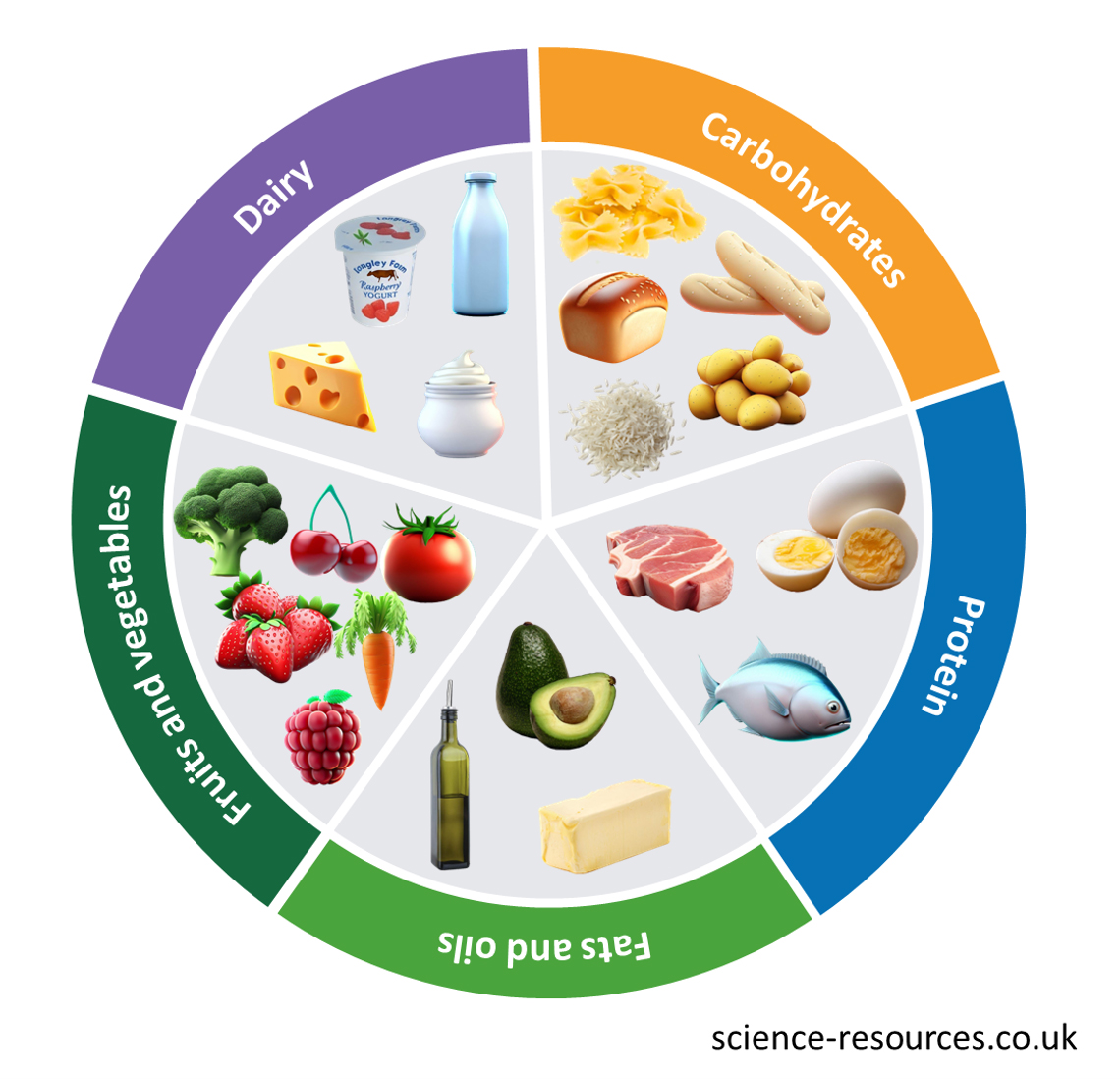
The study highlighted several specific benefits of increasing protein intake through various sources:
Reducing Type 2 Diabetes Risk: The modeled substitution of carbohydrates for protein was associated with a lower likelihood of T2D. For instance, replacing carbohydrates with dairy protein showed a notable reduction in risk, with an odds ratio of 0.89. Similarly, substituting with egg protein resulted in an odds ratio of 0.91.
Addressing Prediabetes: The trend was also observed in the prevention of prediabetes. The risk reduction ranged from 0.82 for dairy protein substitution to 0.94 for fish protein substitution.
These results suggest that a dietary strategy focused on reducing the overall proportion of carbohydrates and saturated fats, while simultaneously increasing the intake of plant and dairy proteins, could be a highly effective way to mitigate the risk of metabolic diseases in India. This shift moves the conversation from “which grain is best” to “how can we balance our macronutrients.”
Key Takeaways for Metabolic Health
| Dietary Action | Impact on T2D / Obesity Risk | Key Finding |
|---|---|---|
| High Carbohydrate Intake | Increased Risk | 30% higher risk of T2D (OR 1.30) |
| Refined to Whole Grain (Same Carb Volume) | Minimal Impact | No significant reduction in T2D/Abdominal Obesity |
| Carb to Protein Substitution (Dairy/Egg) | Decreased Risk | Significant reduction in T2D and prediabetes |
Public Health Implications and Future Directions
The findings of the ICMR-India Diabetes survey have profound implications for the future of public health in one of the world’s most populous nations. As the dietary transition continues, the rising incidence of type 2 diabetes, prediabetes, and obesity poses not only a massive healthcare challenge but also a significant economic threat, potentially impacting workforce productivity and increasing the long-term burden on the national health infrastructure.
Experts suggest that public health strategies must move beyond simple grain-based recommendations. Effective interventions may need to focus on:
- Nutritional Education: Promoting the importance of protein-to-carbohydrate ratios rather than just focusing on “healthy grains.”
- Food Policy: Addressing the availability and affordability of high-quality proteins, including plant-based and dairy sources.
- Reducing Saturated Fats: Implementing guidelines to lower the consumption of fats that contribute to metabolic dysfunction.
As more research emerges from the Indian Council of Medical Research, the scientific community will likely look for ways to implement these findings into practical, culturally relevant dietary guidelines that can be adopted by diverse populations across the subcontinent.
For further updates on national health guidelines and dietary research in India, stakeholders are encouraged to monitor official releases from the Indian Council of Medical Research (ICMR).
This story is developing. We will provide updates as more official health advisories or follow-up studies are released by the ICMR.
What are your thoughts on these dietary findings? Do you think these changes are practical for the average household? Share your comments below and share this article to spread awareness.
Related reading