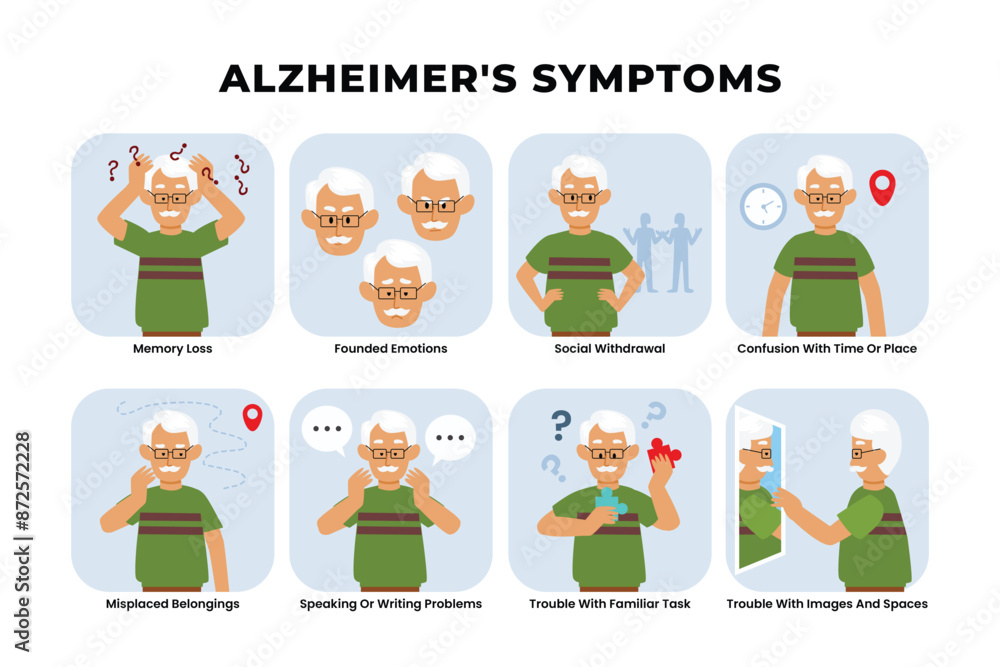
As we navigate the complexities of modern healthcare, the conversation surrounding cognitive health has shifted significantly toward early detection. In my practice and as a journalist, I often hear the same concern: at what point does a lapse in memory transition from the standard fatigue of a busy life to something that requires clinical attention? Recently, there has been heightened interest in the possibility of identifying early warning signs of Alzheimer’s disease as early as age 45.
Understanding the distinction between age-related cognitive changes and neurodegenerative processes is a priority for public health. While Alzheimer’s is often associated with later stages of life, researchers are increasingly focused on the “preclinical” phases, where biological markers may appear years before symptomatic onset. This shift toward identifying subtle indicators in mid-life is a critical component of current medical innovation, aiming to improve long-term outcomes through timely intervention.
The Search for Early Biomarkers in Mid-Life
The medical community is actively investigating how blood-based biomarkers might transform our approach to neurodegenerative diseases. A major area of study involves identifying inflammatory markers or specific protein signatures that could signal an elevated risk for cognitive decline. According to the National Institute on Aging, while memory loss that disrupts daily life is a common symptom, it is essential to distinguish this from the occasional forgetfulness that can accompany stress, aging, or sleep deprivation.

Recent research efforts have sought to analyze large-scale health data to determine if systemic inflammation—which can be measured through routine blood work—correlates with future Alzheimer’s diagnoses. These studies often observe hundreds of thousands of individuals over more than a decade to establish a statistical link between blood markers and cognitive health. The goal is to provide physicians with a tool that could eventually assist in risk stratification, though no single blood test currently serves as a definitive diagnostic tool for the general population outside of specialized research settings.
Recognizing Subtle Cognitive Changes
When considering cognitive health in one’s 40s and 50s, it is helpful to understand the clinical stages of the disease. The Alzheimer’s Association emphasizes that the disease is a progressive process. Subtle changes often involve more than simple forgetfulness. they may manifest as difficulty performing familiar tasks, such as managing a monthly budget or following a recipe that one has used for years. These functional shifts are often what prompt patients to seek a professional evaluation.

It is crucial to emphasize that not every instance of forgetfulness is a sign of dementia. Factors such as chronic stress, depression, vitamin deficiencies, and medication side effects can mimic cognitive impairment. Medical professionals generally conduct a comprehensive assessment—including neurological exams and cognitive testing—to rule out these reversible causes before considering a diagnosis of Alzheimer’s.
The Importance of Professional Consultation
If you or a loved one are concerned about memory changes, the most responsible course of action is to consult with a primary care physician or a neurologist. Early engagement with the healthcare system allows for the tracking of cognitive trends over time. As noted by the World Health Organization, early diagnosis is essential for accessing post-diagnostic support and managing modifiable risk factors, such as cardiovascular health, which is closely linked to brain health.
Medical innovation continues to evolve. While we are still in the early stages of integrating blood-based biomarker testing into routine clinical practice, the dedication of the scientific community to understanding the disease’s earliest manifestations is promising. For now, maintaining a healthy lifestyle, engaging in regular physical activity, and staying cognitively active remain the most effective strategies for supporting long-term brain health.
Key Considerations for Cognitive Health
- Distinguishing Symptoms: Occasional forgetfulness is common, but persistent difficulty with familiar tasks warrants a professional medical evaluation.
- Risk Factors: Cardiovascular health, physical activity, and sleep quality play significant roles in maintaining cognitive function throughout adulthood.
- Clinical Guidance: Always rely on validated medical advice from licensed professionals rather than anecdotal reports or unverified online testing tools.
- Ongoing Research: Large-scale studies on inflammatory markers are ongoing; however, these are not yet standard diagnostic tests for clinical use.
The path forward requires a balanced approach: staying informed about emerging research while avoiding unnecessary alarm. If you have questions about your cognitive health or your family history, schedule an appointment with your healthcare provider to discuss your specific concerns. Proactive, evidence-based care is the best foundation for long-term well-being.

As this is a rapidly evolving field of medical research, I encourage readers to follow updates from the Alzheimer’s Association for the most recent clinical guidance. Have you found this information helpful? Please share your thoughts in the comments below or pass this article along to those who may benefit from a better understanding of early cognitive health.
Worth a look