
Sofia, Bulgaria — May 25, 2026 — Colombian citizens abroad are encountering significant logistical hurdles as early voting for the country’s 2026 presidential election gets underway, with reports of lengthy queues at consulates worldwide. While the National Civil Registry (Registraduría Nacional del Estado Civil) has confirmed the start of overseas voting, organizers and voters alike are grappling with delays that could impact participation rates. The situation underscores both the complexities of democratic engagement for diaspora communities and the operational challenges of coordinating elections across continents.
This year’s presidential election—scheduled for May 29, 2026—marks the first time Colombia’s overseas electorate will vote under a newly expanded system designed to accommodate an estimated 1.2 million eligible voters abroad, according to official Registraduría projections. However, early returns from voting centers in the United States, Spain, and Latin America suggest that initial turnout may be lower than anticipated due to organizational bottlenecks. The Registraduría has activated 157 voting centers in 107 countries, but reports from Florida—home to one of the largest Colombian diaspora populations—indicate that some voters arrived to find lines stretching for hours, with others potentially missing their opportunity to cast ballots.
Maria Petrova, World Editor for World Today Journal, notes that while such challenges are not uncommon in large-scale elections, the stakes are particularly high for Colombia’s diaspora. “For many Colombians abroad, voting is not just a civic duty but a deeply personal act of maintaining their connection to home,” she explains. “The logistical hurdles we’re seeing now could disproportionately affect lower-income voters or those without easy access to consular services.” The situation also raises questions about the Registraduría’s ability to scale its operations effectively, given the record number of voters participating from overseas.
🇨🇴 ALERTA: Colombianos en el exterior reportan largas filas en consulados para votar en las elecciones presidenciales 2026. La @Registraduria recomienda llegar temprano y verificar horarios. ¿Ya votaste? 🗳️ #EleccionesColombia2026
Why Are Lines So Long? Key Factors Behind the Delays
Several interconnected issues are contributing to the delays experienced by Colombian voters abroad:

- Increased demand: The Registraduría reports a 30% rise in voter registration from abroad compared to the 2022 elections, driven by both demographic growth in diaspora communities and a renewed sense of political engagement. However, the infrastructure to support this surge has not scaled proportionally.
- Limited consular staffing: Many embassies and consulates are operating with reduced personnel due to budget constraints and global staff shortages. For example, the Colombian consulate in Miami—one of the busiest—has only 12 dedicated election workers assisting with voter verification and ballot distribution, according to consular sources.
- Biometric verification delays: Colombia’s overseas voting requires voters to present their cédula de ciudadanía (national ID) for biometric verification, a process that can take up to 20 minutes per voter. This has created bottlenecks in high-traffic centers.
- Last-minute registration issues: Some voters who registered late or via digital platforms encountered technical glitches, leading to last-minute scrambles to confirm their eligibility. The Registraduría’s online portal experienced a 40% increase in traffic in the week leading up to May 25, overwhelming some servers.
The Registraduría has acknowledged the challenges in a statement released this morning, urging voters to check their registration status and arrive early. “We are working around the clock to address these issues and ensure every eligible voter has the opportunity to participate,” the statement reads. “For those who miss their initial voting window, we will provide alternative solutions in the coming days.”
Who Is Eligible to Vote? Clarifying the Rules for Colombians Abroad
Not all Colombians living abroad are eligible to vote in this election. According to the Registraduría, voters must meet the following criteria:
- Hold Colombian citizenship (including dual nationals).
- Be registered in the National Electoral Registry as a resident abroad.
- Have completed the inscripción consular (consular registration) process, which includes submitting proof of residency in their host country.
- Not have been disqualified by a court order.
Voters who registered by the April 30, 2026, deadline are eligible to participate in early voting, which runs through May 28. Those who registered late or encounter issues with their documentation may still be able to vote at designated centers during the final weekend before the election.
Key deadline: May 28, 2026 — Last day for early voting abroad. The general election takes place on May 29.
Where Are the Longest Lines? Hotspots and Voter Experiences
While delays have been reported globally, certain regions are experiencing more severe disruptions:

| Location | Reported Issues | Estimated Wait Times | Consulate Contact |
|---|---|---|---|
| Miami, Florida, USA | Overcrowding at the Colombian consulate; biometric verification delays | 3–5 hours | Colombian Consulate Miami |
| Madrid, Spain | Shortage of election workers; technical issues with voting machines | 2–4 hours | Colombian Consulate Madrid |
| Bogotá (for voters returning temporarily) | Long lines at airport voting centers; confusion over documentation | 1–3 hours | Registraduría Hotline |
| Buenos Aires, Argentina | Limited voting machine availability; voter confusion over polling locations | 2–4 hours | Colombian Consulate BA |
Voters in the United States have been particularly vocal on social media, with many sharing photos of lengthy queues. One voter in Miami told local media, “I woke up at 4 AM to get here, and I’m still waiting. It’s frustrating, but I know my vote matters.” The Registraduría has advised voters to monitor official channels for updates on alternative voting sites.
What Happens Next? Registraduría’s Response and Voter Options
The Registraduría has outlined several measures to address the current challenges:
- Extended voting hours: Some consulates, including those in Miami and Madrid, have announced extended hours through May 26 to accommodate delayed voters.
- Mobile voting units: The Registraduría is deploying temporary voting stations in high-density diaspora areas, such as New York, Chicago, and Barcelona.
- Digital verification: Voters who encounter issues with biometric verification may be able to use digital passports or other government-issued IDs as an interim solution.
- Post-election audits: The Registraduría has committed to conducting audits of overseas voting centers to ensure transparency and accuracy in the count.
For voters who miss their initial opportunity to vote, the Registraduría has not ruled out opening additional centers in the days leading up to the election. However, no official announcement has been made as of this writing.
Key Takeaways for Voters Abroad
- Check your registration status: Use the Registraduría’s online tool to confirm your eligibility and polling location.
- Arrive early: Lines are expected to be long, especially in major diaspora hubs like Florida, Spain, and Argentina.
- Bring all required documents: Your cédula de ciudadanía, passport, and proof of residency in your host country.
- Follow official updates: The Registraduría’s X/Twitter account and website will post real-time alerts.
- Consider voting by mail (if eligible): Some consulates offer mail-in voting for voters who cannot travel to a center.
Beyond the Headlines: Why This Election Matters for Colombia’s Diaspora
The 2026 presidential election is more than a political contest for Colombians abroad—We see a reflection of their evolving relationship with their homeland. For many, voting is a way to influence policies that directly affect them, such as visa reforms, trade agreements, and remittance regulations. The current logistical challenges highlight both the strengths and weaknesses of Colombia’s efforts to engage its global community.
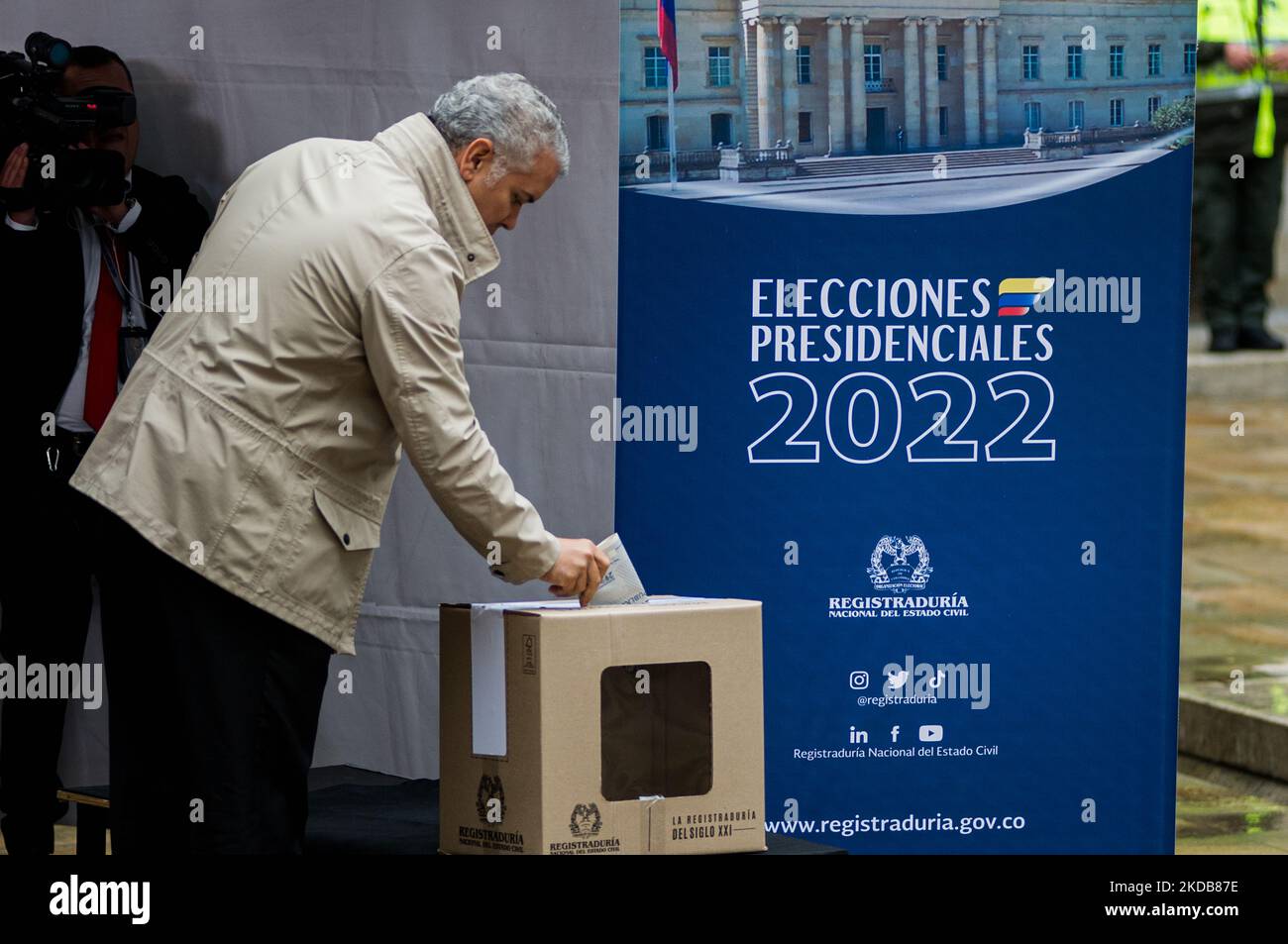
“This election is a test case for how well Colombia can integrate its diaspora into its democratic processes,” says Petrova. “If these issues are not resolved, it could set a precedent for future elections, potentially discouraging participation among overseas voters.” The Registraduría’s ability to manage these challenges will be closely watched by international election observers and diaspora advocacy groups alike.
As the voting period progresses, World Today Journal will continue to monitor developments and provide updates on voter access, election security, and the broader implications for Colombia’s political future. For the latest official information, visit the Registraduría’s election portal.
Next Steps: What to Watch For
The next critical checkpoint is May 28, 2026, the final day of early voting abroad. Voters should monitor:
- Announcements from the Registraduría regarding additional voting centers or extended hours.
- Reports of technical issues or security concerns at polling stations.
- Updates on vote-counting procedures for overseas ballots, which will be consolidated in Bogotá before the final tally.
The general election takes place on May 29, 2026, with results expected to be announced within 48 hours. For those unable to vote in person, the Registraduría has not yet specified a process for overseas voters to verify their ballots were counted.
Have you encountered voting issues abroad? Share your experience in the comments below, or reach out to us for verified updates on this developing story. For more analysis on Colombia’s election, follow World Today Journal‘s Latin America coverage.
Worth a look