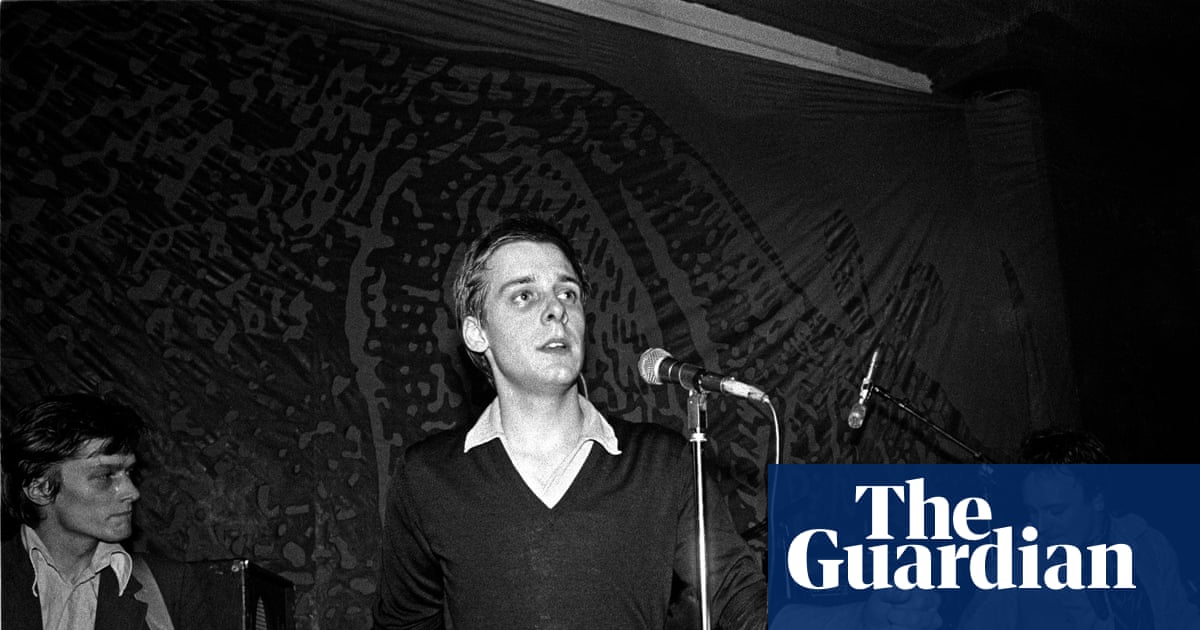
In the fickle, often loud-mouthed world of rock and roll, validation usually comes in the form of chart positions or sold-out arenas. But for the Mekons, one of the most enduring and defiant collectives in the history of British post-punk, the ultimate seal of approval arrived in a much more subtle, artistic form: a comparison from David Bowie.
Reflecting on the creative evolution that defined their seminal era, the band has noted that being compared to the glam-rock swagger of T Rex by the Thin White Duke himself was a moment of profound significance. For a group that purposefully eschewed the traditional tropes of rock stardom, such a comparison—linking their experimental spirit to the lineage of great British art-rock—was a milestone that “couldn’t get any better.”
This artistic recognition was not merely a nod to their sound, but a validation of their trajectory. The Mekons have never been a band that followed a predictable blueprint. From their origins as art students in the mid-1970s to their later explorations of “horror-folk” and alternative country, their career has been defined by a refusal to settle into a single genre or a single persona.
From Leeds Art Students to Post-Punk Pioneers
The DNA of the Mekons is inextricably linked to the academic and creative ferment of Leeds, West Yorkshire. Formed in 1976, the band emerged from the same fine art course at Leeds University that produced members of other seminal acts, most notably Gang of Four. This academic background provided a foundational lens through which the band viewed music—not just as entertainment, but as a medium for conceptual expression and social commentary.

The mid-70s were a period of intense cultural friction in the United Kingdom, and the Mekons were at the epicenter. The band members recall the transformative power of seeing the Anarchy tour at a nearby polytechnic in December 1976. While the Sex Pistols provided the initial shock to the system, it was the visual and sonic grit of The Clash—described by the band as appearing in “paint-spattered clothes”—that truly ignited the realization that they could occupy that same stage.
This era of punk was characterized by a raw, DIY energy that the Mekons harnessed to build their identity as a collective. Unlike the traditional band structure, their “art collective” approach allowed for a fluid lineup and a multi-disciplinary approach to their output, qualities that would allow them to survive the collapse of the initial punk wave and evolve into something far more complex.
Defying the ‘Macho’ Rock Mentality
As the Mekons moved into the era of Where Were You?, a shift in thematic focus became apparent. While much of the rock music dominating the airwaves at the time leaned into a certain “macho” bravado—often centered on themes of bravado, conquest, and Friday-night hedonism—the Mekons chose a different path. They pivoted toward the internal, exploring the more vulnerable and isolated aspects of the human experience.
The music became an exploration of loneliness. By rejecting the “macho mentality” prevalent in mainstream rock, the band carved out a space for emotional complexity and intellectual depth. This rejection of rock clichés was not just a stylistic choice; it was a political and social statement. It challenged the listener to engage with music that was as much about the quiet, uncomfortable moments of life as it was about the loud, performative ones.
This move toward a more nuanced, often melancholic sound is what allowed them to bridge the gap between the aggression of post-punk and the storytelling traditions of folk and country. It was this unique synthesis—this refusal to participate in the standard rock tropes—that likely caught the ear of artists like Bowie, who recognized the subversive power in their departure from the norm.
The Mekons in 2026: New Music and North American Tours
Decades after those formative years in Leeds, the Mekons continue to prove that their experimental spirit is far from exhausted. The band is currently preparing for an extensive run across the United States, a tour that highlights their continued relevance in the global music landscape.
The 2026 tour is set to promote their latest release, Horror, an album on Fire Records that continues their tradition of genre-bending. This new work explores imperial legacies through a self-described “horror-folk” style, proving that the band’s interest in social and historical themes remains as sharp as ever.
The upcoming tour schedule includes several key stops across North America, ranging from the Midwest to the East Coast. Fans can expect the core lineup—including Jon Langford, Sally Timms, Tom Greenhalgh, Susie Honeyman, Rico Bell, Lu Edmonds, Steve Goulding, and Dave Trumfio—to bring their legendary live energy to venues across the country.
Mekons 2026 Tour Highlights
- May 31, 2026: Evanston, IL at Space
- June 2, 2026: Kalamazoo, MI at Bell’s Eccentric Cafe
- June 4, 2026: Baltimore, MD at Ottobar
- June 6, 2026: New York, NY at The Mercury Lounge
- June 12, 2026: Cambridge, MA at The Sinclair
- October 23, 2026: London, UK at The Garage
In addition to the main tour, the band will also feature in more intimate settings, such as the Mini-Mekons project featuring Sally Timms and Jon Langford at the Solid Sound Festival, showcasing the versatility that has sustained them for nearly half a century.
Key Takeaways: The Mekons’ Legacy
- Artistic Origins: Formed in 1976 by Leeds University art students, blending fine art sensibilities with punk energy.
- Subversive Themes: Known for rejecting the “macho” tropes of rock in favor of exploring loneliness and social complexity.
- Genre Fluidity: A career spanning post-punk, alternative country, and “horror-folk.”
- Critical Validation: Received high-level recognition from icons like David Bowie for their unique stylistic direction.
- Continued Vitality: Actively touring and releasing new material, including the 2026 album Horror.
As the Mekons prepare to take their unique brand of defiant art-rock back to the United States this summer, they remain a testament to the power of staying true to an idiosyncratic vision. Whether they are exploring the political weight of imperial history or the personal weight of loneliness, the Mekons continue to remind us that the most interesting music often happens when you refuse to play by the rules.
The Mekons are scheduled to begin their 2026 U.S. Tour on May 31 in Evanston, Illinois. Check local listings for ticket availability and venue updates.
What is your favorite Mekons era? Do you prefer their early post-punk grit or their later alt-country explorations? Let us know in the comments below and share this article with your fellow music lovers.
Worth a look