By Dr. Olivia Bennett | Chief Editor, Business | World Today Journal
May 26, 2026 — Oil prices tumbled sharply on Monday as financial markets reacted to reports that the United States and Iran are nearing a deal to end their prolonged conflict, though former President Donald Trump’s public skepticism about the timeline has introduced a layer of uncertainty. Brent crude futures fell by more than 5% in early trading, while U.S. West Texas Intermediate (WTI) dropped nearly 4%—the steepest decline since tensions escalated in the Strait of Hormuz last autumn. Meanwhile, global stock indices surged, with the S&P 500 and Nasdaq Composite hitting record highs as investors priced in the potential for reduced geopolitical risk premiums.
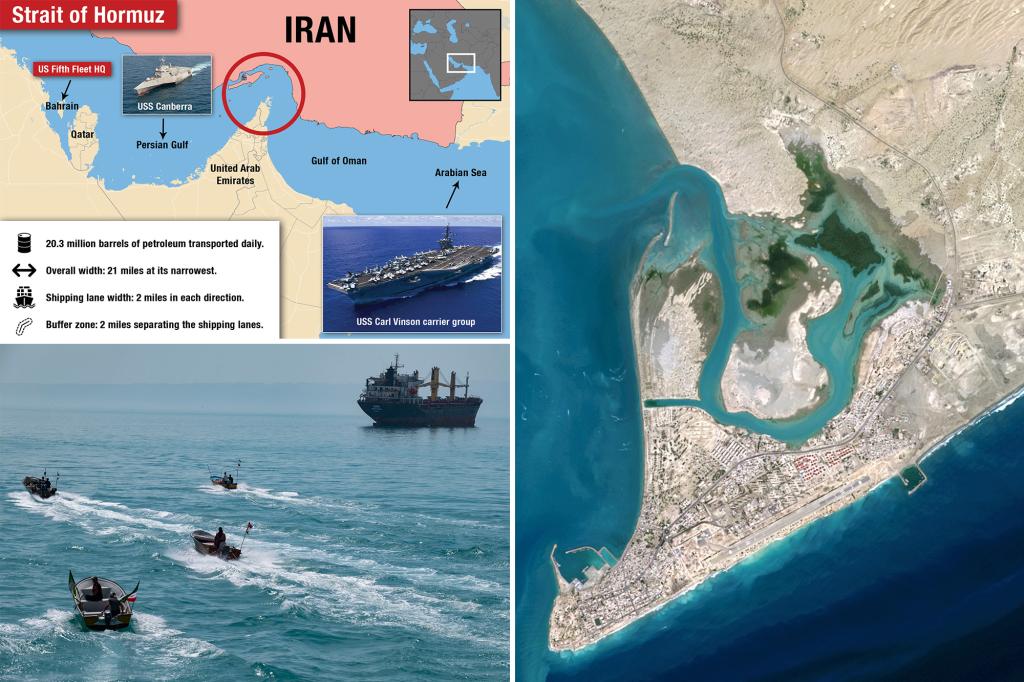
The potential ceasefire, if finalized, would mark a dramatic shift in Middle East geopolitics, reopening one of the world’s most critical chokepoints for oil tankers. The Strait of Hormuz, through which roughly 20% of global oil supply passes daily, has been a flashpoint for attacks and disruptions since 2023, contributing to a sustained spike in energy prices that has strained global supply chains and inflation metrics. Analysts at Goldman Sachs and the International Energy Agency (IEA) have both flagged the region as a key wild card in 2026’s oil price forecasts, with the IEA warning in its May 2026 Oil Market Report that “prolonged tensions in the Strait of Hormuz could add $10–$15 per barrel to global prices by year-end.”
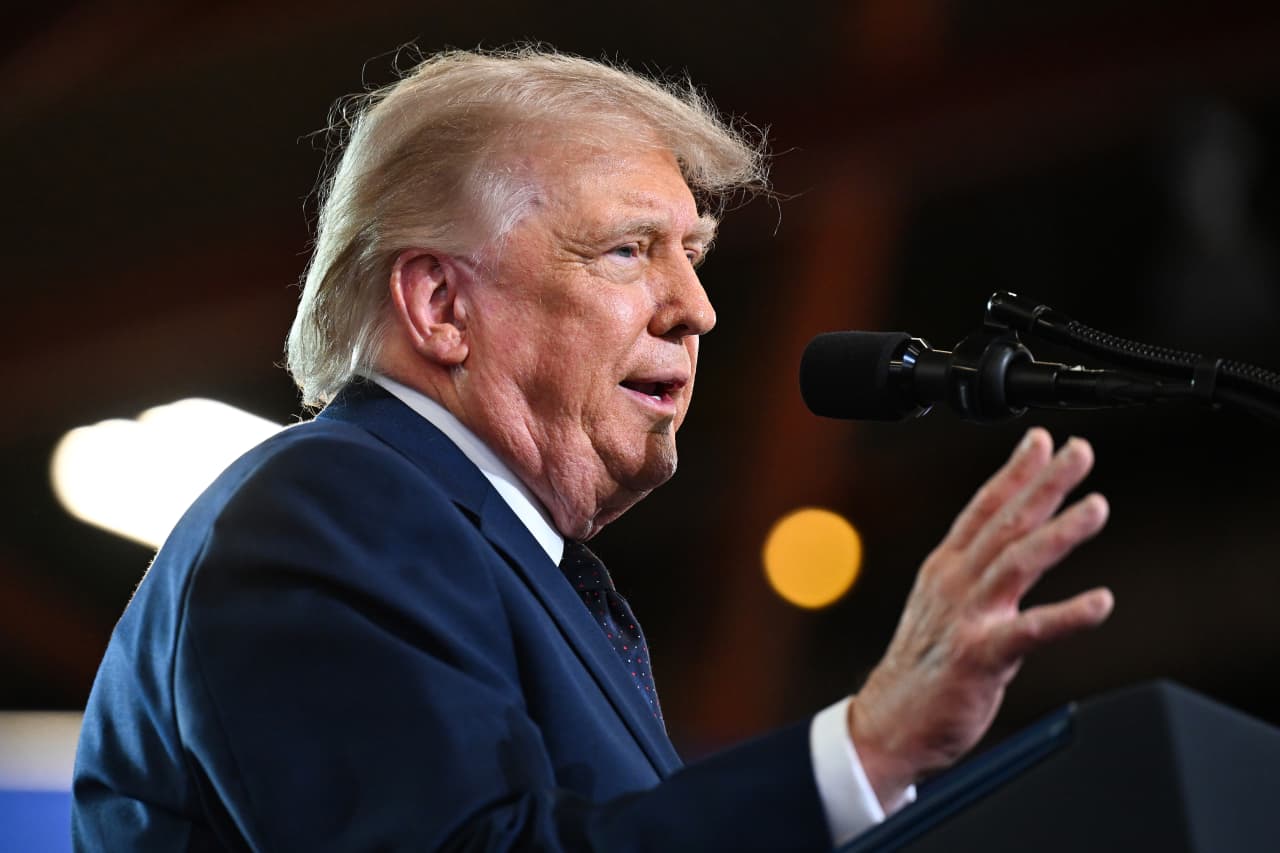
But Trump’s intervention complicates the narrative. In a series of posts on Truth Social over the weekend, Trump dismissed the reported ceasefire talks as “a rush to judgment” and suggested the U.S. Should “wait and see” before committing to any agreement. His comments sent ripples through energy markets, where traders had begun pricing in a more optimistic scenario. “The market reaction is a classic case of two competing narratives: hope for peace driving down oil prices, but caution about political follow-through keeping volatility elevated,” said Amy Myers Jaffe, director of the Climate Policy Lab at Tufts University.
Video: Traders react to the latest developments in the Iran-U.S. Ceasefire talks and their impact on global oil markets. (Source: Bloomberg Markets)
What the Ceasefire Talks Could Mean for Oil Markets
The potential end to hostilities in the Strait of Hormuz would have immediate and profound effects on global energy markets. Here’s a breakdown of the key implications:
- Price stabilization: The IEA estimates that removing the Hormuz risk premium could shave $8–$12 off the price of Brent crude in the short term, though longer-term effects would depend on Iran’s oil production capacity and OPEC+ coordination.
- Supply chain relief: Shipping insurance premiums for tankers transiting the Strait have risen by over 300% since last year, according to Lloyd’s List. A ceasefire would likely ease these costs, reducing fuel surcharges for industries from aviation to maritime logistics.
- Inflation pressures: With oil prices accounting for nearly 40% of global inflation drivers, according to the World Bank, a sustained drop could alleviate upward pressure on consumer prices in the U.S., EU, and Asia.
- Geopolitical ripple effects: The deal could also influence other regional conflicts, particularly in Yemen and Syria, where Iranian-backed groups have been active. Analysts at the International Crisis Group suggest that a Hormuz ceasefire might create “a window for broader diplomatic engagement” in these theaters.
Who Stands to Gain—or Lose?
The economic impacts of a potential ceasefire would vary sharply across stakeholders:
- Oil producers: Gulf states like Saudi Arabia and the UAE would benefit from reduced volatility, though their long-term market share could be challenged if Iran were to rapidly re-enter global oil markets. Iran’s pre-sanctions production capacity was over 3.8 million barrels per day, according to IEA data from 2018.
- Consumers: Developing economies, particularly in Africa and Southeast Asia, would see immediate relief from lower fuel costs. India, which imports nearly 80% of its oil needs, could see its trade deficit narrow significantly.
- Renewable energy sectors: While lower oil prices might temporarily unhurried the transition to renewables, long-term trends remain intact. “The energy transition is not about short-term price shocks—it’s about decarbonization timelines,” noted Fatih Birol, IEA Executive Director, in a recent interview with Financial Times.
- Military-industrial complex: Defense contractors with contracts tied to Middle East operations could face reduced demand, though the U.S. And its allies would likely redirect resources to other regions.
Trump’s Role: A Wild Card in the Negotiations
Former President Trump’s public comments have added a layer of political uncertainty to the economic calculations. In a series of posts over the weekend, Trump wrote:
“The rush to end the Iran war is a mistake. We should have waited for a better deal. The radical mullahs will just use any agreement to fund more terrorism. Sad!”
Trump’s skepticism aligns with his broader foreign policy stance, which has emphasized “maximum pressure” on Iran rather than diplomatic engagement. His influence on Republican lawmakers could delay congressional approval for any deal, should one materialize. Meanwhile, President Biden’s administration has not publicly commented on the ceasefire reports, adhering to its usual practice of avoiding confirmation of ongoing negotiations.
Analysts at Brookings Institution note that Trump’s position reflects a divide within the U.S. Political establishment: “While the business community and financial markets may favor stability, hardline factions in Congress and the defense industry will resist any perception of concessions to Iran.”
What Happens Next?
The path forward hinges on three critical factors:
- Negotiation timeline: Diplomatic sources, speaking on condition of anonymity, have suggested that a framework agreement could be announced within the next 72 hours. However, finalizing a ceasefire and reopening the Strait would require months of technical coordination, including mine clearance and maritime security arrangements.
- Congressional oversight: Any deal would likely require approval from the U.S. Congress, where bipartisan support is unlikely given the political climate. The House Foreign Affairs Committee has already signaled skepticism about Iran-related agreements.
- Iran’s domestic politics: The Iranian government faces internal divisions, with hardliners in the Revolutionary Guard reportedly resisting any deal that does not include the lifting of all sanctions. Protests in Tehran over economic conditions have also complicated the regime’s negotiating position.
Key Takeaways
- Oil prices are reacting to hope, not certainty. The market drop reflects optimism about a ceasefire, but Trump’s stance and unresolved diplomatic hurdles keep traders cautious.
- Geopolitical risks remain elevated. Even if a deal is struck, the Strait of Hormuz could remain a flashpoint if other regional conflicts escalate.
- Inflation could ease—but not disappear. Lower oil prices would help, but structural inflation from supply chain disruptions and labor markets will persist.
- The U.S.-Iran dynamic is far from resolved. Any agreement would likely include provisions for monitoring and enforcement, but enforcement mechanisms are untested.
Where to Find Official Updates
For the latest developments, readers should monitor:
- U.S. Department of State (for official U.S. Government statements)
- International Energy Agency (for oil market analysis)
- OPEC (for cartel coordination updates)
- Iranian government sources (for Tehran’s official position)
Traders and investors can track real-time oil price movements via platforms like Bloomberg Markets or Reuters Commodities, while geopolitical risk indices are available through J.P. Morgan’s GPI.
Final Thoughts: A Pivotal Moment with Uncertain Outcomes
The potential end to the Iran war represents one of the most significant geopolitical shifts of 2026, with implications that extend far beyond oil markets. While the immediate reaction in financial markets has been positive, the road ahead is fraught with political and diplomatic challenges. As Dr. Birol of the IEA noted, “This is not just about oil prices—it’s about the broader stability of the Middle East and the global economy.”
The next critical checkpoint will be the announcement of a framework agreement, expected within the next 48–72 hours. Until then, traders, policymakers, and consumers should brace for continued volatility—and remain vigilant about the political headwinds that could derail even the most promising diplomatic breakthrough.
What are your thoughts on the potential ceasefire and its implications for global markets? Share your insights in the comments below or join the discussion on our Business Forum.