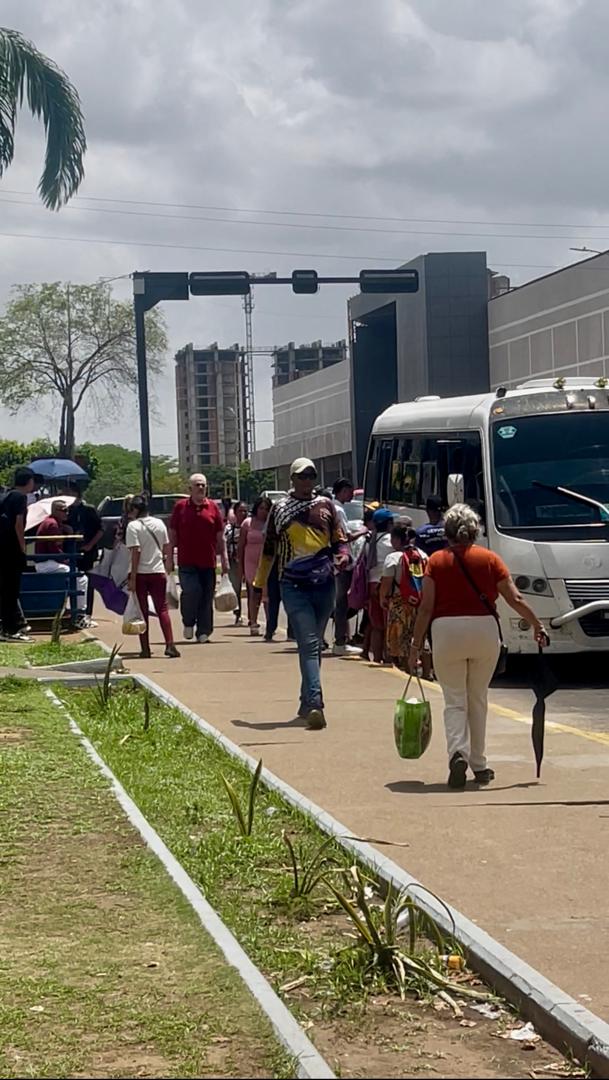
In a significant shift for Venezuela’s public transportation landscape, the sector is moving toward a formalized model where the tarifa del pasaje—the cost of urban transit fares—will be updated on a monthly basis. This policy, which ties transport costs to the official exchange rate published by the Central Bank of Venezuela (Banco Central de Venezuela, or BCV), represents a structural attempt to stabilize revenue for transport operators amidst persistent inflationary pressures.
For commuters, this transition to a monthly indexed fare system marks a departure from previous ad-hoc adjustments. By anchoring the cost of travel to the official BCV exchange rate, authorities and transport unions aim to provide a predictable framework for both service providers and the general public. However, the implementation of this policy has sparked widespread debate, with many citizens expressing concern over the cumulative impact of regular price adjustments on their household budgets.
The Mechanics of Indexed Fares
The core of the new directive is the adoption of a fixed monthly rate that reflects the devaluation of the local currency against the U.S. Dollar. Under this framework, transport unions and government officials coordinate to establish a baseline fare, which is then adjusted periodically to maintain its real-world value. This approach is intended to mitigate the erosion of operating capital caused by the volatile economic environment, ensuring that drivers can continue to afford fuel, maintenance, and vehicle parts.
The reliance on the BCV rate is a strategic choice to standardize pricing across different municipalities, aiming to reduce the confusion that previously arose from disparate or unregulated fare hikes. According to standard economic monitoring by international observers, maintaining consistent pricing in a hyper-inflationary context remains a primary challenge for the Venezuelan administration and local transit authorities. For further information on the country’s economic indicators, readers may consult the International Monetary Fund’s country reports on Venezuela.
Stakeholder Perspectives and Challenges
The reception of the monthly indexing policy has been polarized. Transport workers argue that the adjustment is a matter of survival. With the cost of essential inputs—such as fuel and spare parts—often denominated in or pegged to foreign currencies, operators contend that static fares quickly become unsustainable, leading to a reduction in the number of active units on the road. When vehicles fall into disrepair, the resulting supply shortage exacerbates congestion and wait times for passengers.
Conversely, users in various regions have voiced significant frustration. For those relying on public transit as their primary means of commuting, even incremental monthly increases can represent a substantial portion of their monthly income. Critics of the policy point out that while transport fares are indexed to the dollar, wages for many workers have not kept pace, leading to a widening gap in purchasing power. Public concern remains high, particularly in urban centers where reliance on collective transport is near-universal.
Broader Implications for Urban Mobility
Beyond the immediate question of fare pricing, the current climate has prompted discussions regarding long-term solutions for the transit sector. Authorities are currently exploring various support mechanisms, including potential subsidies for students and other vulnerable demographics, to buffer the impact of the rising costs of transit. These negotiations involve a complex balance between the demands of transport unions for economic viability and the government’s responsibility to maintain social welfare and mobility.
The issue of aging fleets is another critical factor. Many operators highlight that the ability to charge a sustainable fare is only one half of the equation; the other is the availability of fuel and the ability to replace obsolete vehicles. As the situation evolves, the effectiveness of the current monthly indexing model will likely be measured by its ability to prevent further attrition of the transit fleet while maintaining a level of affordability that does not result in a total collapse of ridership.
Looking Ahead
As the implementation of the monthly fare adjustment continues, all eyes are on the upcoming meetings between transport sector representatives and municipal authorities. These discussions are expected to determine the specific thresholds for the next cycle of adjustments and provide further clarity on the rollout of support programs for students.

Public transit users are encouraged to monitor official announcements from local transport authorities and municipal government websites for the most accurate information regarding current fare rates in their respective areas. As this remains a fluid situation, the dialogue between unions, the government, and the public will continue to be the primary driver of policy changes in the coming months. We invite our readers to share their experiences and observations in the comments section below as we continue to track this developing story.
Worth a look