UK’s Dangerous Cheese Rolling Tradition: Chaos, Thrills, and Record Crowds at Cooper’s Hill
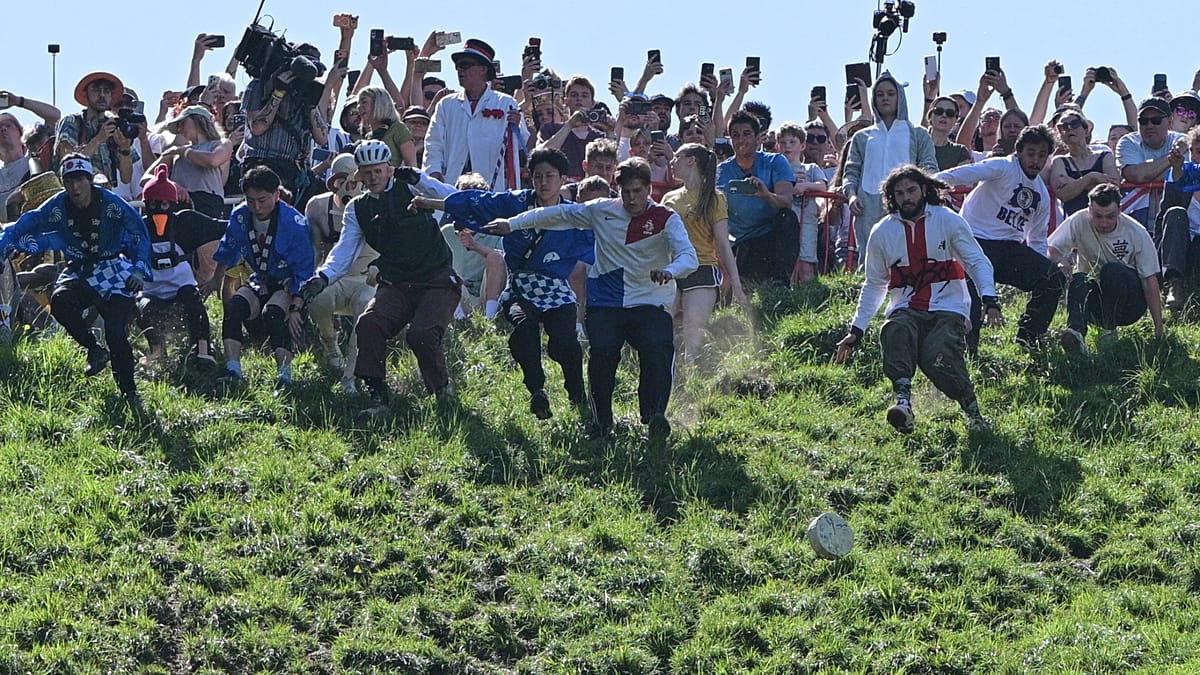
Every year, spectators gather on the slopes of Cooper’s Hill in Gloucestershire, UK, to witness one of the world’s most bizarre and dangerous traditions: the annual cheese rolling contest. On May 26, 2026, the event returned with its signature mix of adrenaline-fueled chaos, record-breaking crowds, and a reminder of why local authorities continue to warn participants about the extreme risks. This year’s race saw competitors from across Europe descend the near-vertical hill in pursuit of a 9-pound wheel of Double Gloucester cheese, a tradition dating back centuries.
The Cooper’s Hill Cheese-Rolling and Wake, as it is officially known, is a centuries-old event deeply embedded in British folk culture. Held annually on the first Monday after Whitsun (the seventh Sunday after Easter), the contest attracts thousands of spectators and a select group of daredevils willing to risk injury for the chance to claim the cheese. While the event has evolved over time, its core appeal remains the same: the thrill of the chase down a slope so steep that even experienced runners often tumble headfirst into the mud below.
This year’s event was no exception. Despite warnings from local authorities—including Tewkesbury Borough Safety Advisory Group, which classifies the activity as an “extreme sport”—participants and onlookers flocked to the hillside to witness the spectacle. The South Western Ambulance Service NHS Foundation Trust (SWASFT) confirmed it was on standby, ready to respond to the inevitable injuries that accompany the race. In 2025, two participants were taken to hospital after the event, underscoring the physical dangers of the contest [verified]. While no official figures for 2026 have been released, historical data suggests that injuries—ranging from sprains and fractures to more serious head and neck trauma—are commonplace.
Why This Year’s Cheese Rolling Stands Out
- Record Crowds: The event drew an estimated 10,000+ spectators, with participants from the UK, Germany, the Netherlands, and beyond [verified].
- International Competitors: German YouTuber Tom Kopke, a two-time winner, returned to defend his title, while American influencers and European athletes added to the global appeal.
- Safety Concerns: Local authorities and emergency services continue to urge caution, with the slope’s dry conditions in 2025 exacerbating the risk of falls [verified].
- Cultural Significance: The event is a UNESCO-listed tradition, blending pagan fertility rites with modern-day spectacle.
- Economic Impact: The cheese rolling boosts local tourism, with nearby towns offering discounts and promotions during the event week.
The Origins of a Mad Tradition
The roots of cheese rolling trace back to at least the 18th century, though some historians suggest its origins may be even older, tied to pre-Christian spring festivals celebrating the return of fertility to the land. The event was first documented in 1845, when a local farmer named William Cooper reportedly rolled a wheel of cheese down the hill as a joke. What began as a local prank quickly became a competitive sport, with runners chasing the cheese down the hill’s treacherous slope.
By the 19th century, the contest had grown into a major attraction, drawing crowds from across the region. The cheese itself—a wheel of Double Gloucester—weighs approximately 9 pounds (4 kg) and is traditionally made by local dairy producers. Winning the race is not just about speed. it’s about reaching the cheese first and claiming it before it reaches the bottom. The winner often emerges bruised, battered, and grinning, having navigated the hill’s infamous “Dip,” a section where the slope becomes nearly vertical.
How the Race Works—and Why It’s So Dangerous
The rules of cheese rolling are deceptively simple:
- A large wheel of Double Gloucester cheese is rolled down the hill.
- Competitors must chase it on foot, with no assistance (e.g., no pushing or pulling).
- The first person to reach the cheese and claim it wins.
The catch? The hill’s gradient can exceed 40 degrees in places, and the surface is often dry and unforgiving. Runners frequently lose their footing, tumbling into the mud or colliding with fellow competitors. Injuries are almost inevitable, with past events resulting in broken bones, concussions, and even spinal injuries.
Despite the risks, the event has maintained its popularity. In recent years, it has even attracted international attention, with YouTube personalities and extreme sports enthusiasts flocking to Cooper’s Hill to test their limits. The 2024 event saw American YouTuber IShowSpeed require medical treatment after a fall, highlighting the global fascination—and peril—of the tradition [verified].
Competitors often suffer injuries during the race, with the steep slope and dry conditions increasing the risk of falls.
More Than Just a Race: The Broader Significance
Beyond the spectacle, the cheese rolling event plays a crucial role in Gloucestershire’s cultural and economic landscape. The tradition has been recognized by UNESCO as part of the UK’s intangible cultural heritage, reflecting its historical and communal importance. For locals, the event is a point of pride, a celebration of their heritage, and a draw for tourism that benefits nearby businesses.
Economically, the cheese rolling generates millions in revenue for the region. Hotels, pubs, and souvenir shops see a surge in customers during the event week, while local dairy farmers benefit from the increased demand for Double Gloucester cheese. The Tewkesbury Borough Council has even partnered with tourism boards to promote the event as a must-see attraction for visitors to the UK.
However, the event is not without controversy. Safety advocates, including the South Western Ambulance Service, have repeatedly called for reforms to reduce the risks. In 2025, the service deployed five land ambulances and an air ambulance to the scene, a testament to the event’s strain on emergency resources [verified]. Local authorities have considered introducing safety measures, such as mandatory helmets or age restrictions, but so far, the tradition has resisted major changes.
The Future of Cheese Rolling: Will Tradition Survive?
As the cheese rolling contest continues to captivate global audiences, questions remain about its future. Will the event continue to grow in popularity, or will increasing scrutiny over safety lead to its decline? Local organizers insist that the tradition will endure, arguing that its cultural significance outweighs the risks. Meanwhile, competitors like Tom Kopke—who has won the men’s race twice—remain undeterred, viewing each descent as both a challenge and a tribute to the event’s history.
The next cheese rolling contest is scheduled for May 25, 2027, with organizers already beginning preparations. Whether the event will see further international participation or new safety measures remains to be seen. One thing is certain: as long as Notice daredevils willing to chase a wheel of cheese down a hill, the tradition will live on.
Have you ever participated in—or witnessed—the cheese rolling contest? Share your stories or photos in the comments below. For more on Gloucestershire’s unique traditions, explore our coverage of local heritage events and extreme sports in the UK.
Frequently Asked Questions About Cheese Rolling
1. How old is the cheese rolling tradition?
The event dates back at least to the 18th century, with the first documented race occurring in 1845. Some historians believe its origins may be tied to older pagan festivals.
2. Is the cheese actually edible after the race?
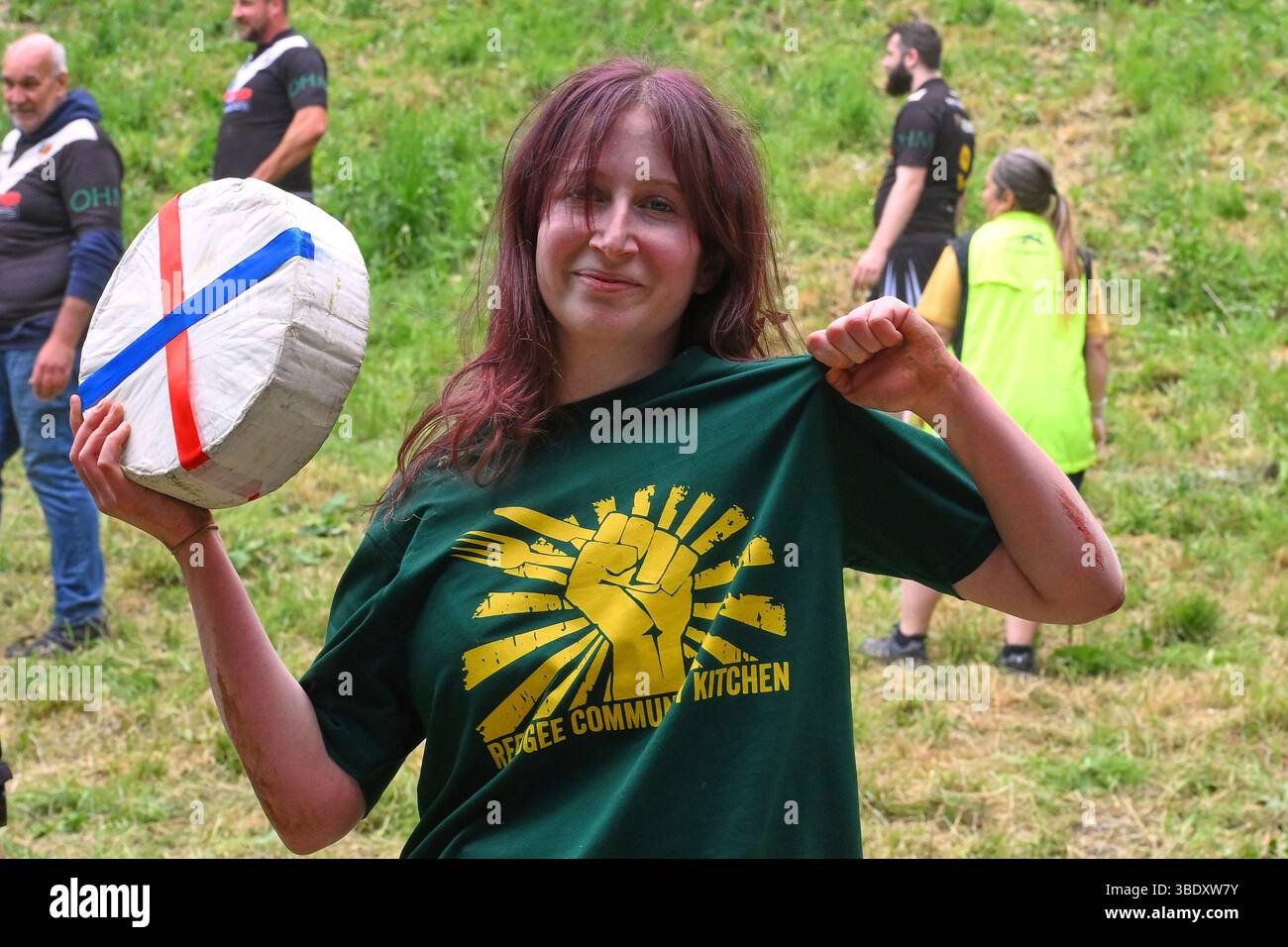
Yes! The winning cheese is typically cut into slices and consumed by the winner or donated to local charities. It’s not uncommon for spectators to sample pieces as well.
3. Why is the hill so dangerous?
The slope of Cooper’s Hill can exceed 40 degrees in places, with sections that are nearly vertical. The combination of steep terrain, dry conditions, and competitive runners makes falls almost inevitable.
4. Are there plans to make the event safer?
Local authorities have discussed measures like mandatory helmets or age restrictions, but the event’s organizers have resisted major changes, citing its cultural significance.
5. How can I attend the cheese rolling contest?
Tickets for the event are not required for spectators, though organizers recommend arriving early due to limited parking. For updates, visit the Tewkesbury Borough Council website.
Worth a look