
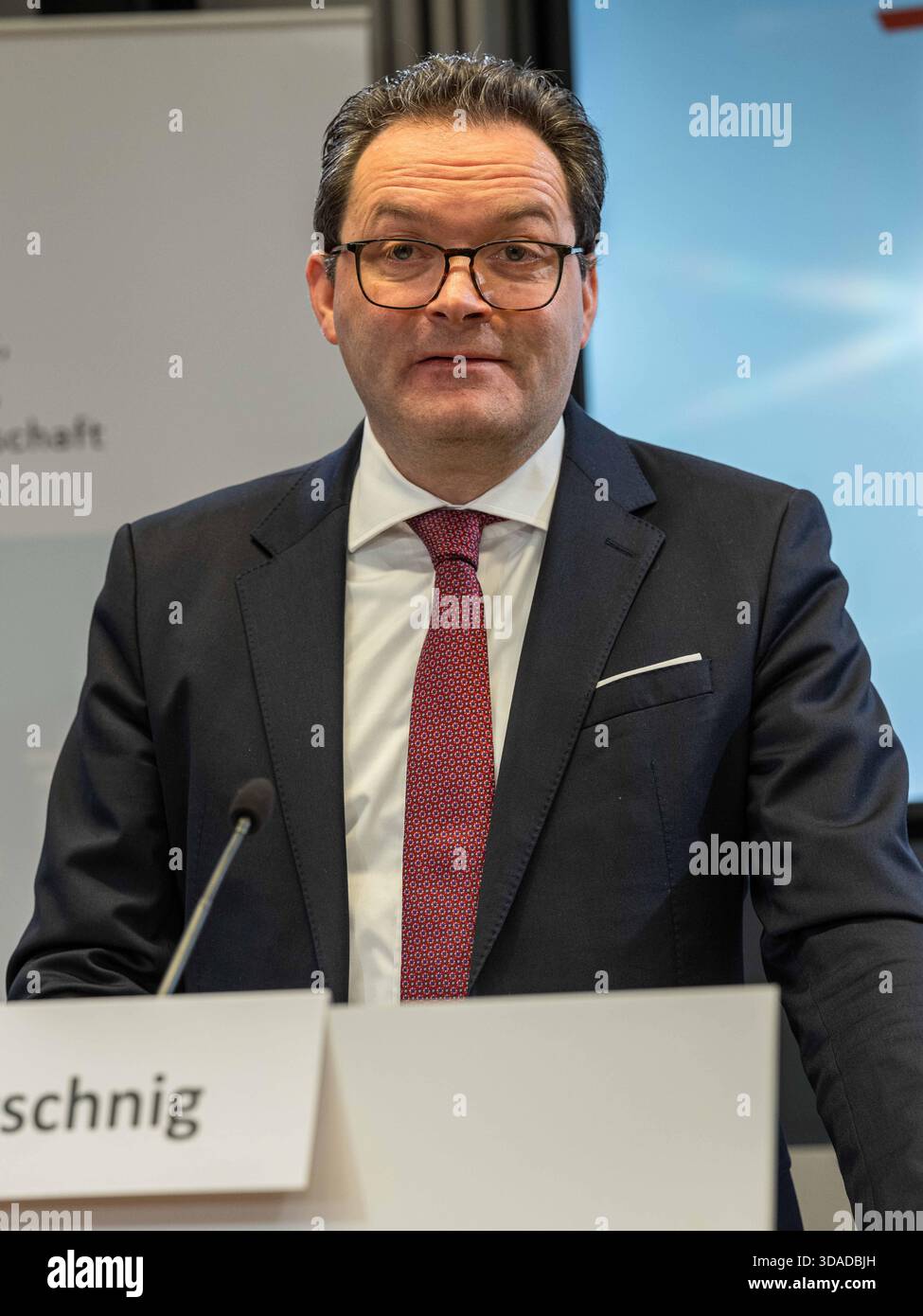
In a strategic move to bolster the circular economy, the Austrian government has officially launched the “Geräte-Retter-Prämie,” a new initiative designed to encourage the repair of household electronics. Environment Minister Norbert Totschnig announced the program as a successor to previous repair bonus models, emphasizing that fostering a culture of maintenance over disposal is essential for environmental protection and resource conservation. The program, which represents a targeted effort to reduce waste and lower CO₂ emissions, is now entering its implementation phase following the official opening of registration for participating businesses.
The transition toward more sustainable consumption patterns is a central pillar of Austria’s environmental policy. By incentivizing citizens to repair rather than replace their malfunctioning devices, the government aims to strengthen local repair businesses and ensure that high-quality electronics remain in use for longer periods. According to the official announcement from the Austrian Federal Ministry of Agriculture, Forestry, Regions and Water Management, this initiative is both a budget-efficient instrument and a practical step toward long-term sustainability.
Program Details and Timeline for Participation
The rollout of the Geräte-Retter-Prämie follows a structured timeline to ensure that both service providers and consumers are prepared. Partner businesses were invited to begin their registration process on Wednesday, December 10, 2025. This registration is conducted exclusively through the dedicated portal, www.geräte-retter-prämie.at, which serves as the sole official platform for the program. The ministry has confirmed that this registration process for businesses is entirely free of charge.
Once a business submits its registration, the Kommunalkredit Public Consulting (KPC) assumes responsibility for reviewing and verifying the credentials of the service provider. This quality control measure is designed to maintain the integrity of the repair network. For the general public, the opportunity to benefit from the initiative begins shortly after the new year. Consumers will be eligible to apply for the repair premium starting on January 12, 2026.
Strategic Importance: Repair Over Disposal
At the heart of the Geräte-Retter-Prämie is the philosophy of the circular economy. Minister Totschnig highlighted that the initiative is intended to make sustainable choices more accessible for the average household. By lowering the financial barriers to professional repairs, the government hopes to shift public behavior away from the “throwaway” culture that has dominated consumer electronics in recent decades.
“With the Geräte-Retter-Prämie, we are providing an attractive and efficient incentive for resource conservation,” said Environment Minister Norbert Totschnig. He further noted that the initiative is expected to provide a boost to the domestic economy by supporting local repair shops and skilled tradespeople who are vital to the maintenance of household equipment. This approach not only addresses immediate consumer needs but also aligns with broader European goals to reduce electronic waste and preserve raw materials.
Key Objectives of the Initiative
- Waste Reduction: Minimizing the volume of electronic waste entering landfills by extending the lifecycle of consumer goods.
- Carbon Footprint Mitigation: Reducing the CO₂ emissions associated with the manufacturing and logistics of replacement products.
- Economic Support: Sustaining and growing the value chain within the domestic repair and service sector.
- Consumer Accessibility: Providing a clear, digital-first application process that simplifies the path to discounted repairs.
Looking Ahead: Implementation and Monitoring
As the January 12, 2026, application date approaches, the focus remains on ensuring that the infrastructure—both digital and operational—is fully prepared to handle the expected volume of requests. The use of the KPC for vetting and oversight indicates a robust framework intended to prevent misuse and ensure that the funds are directed toward genuine, high-quality repair services.
While the program is currently positioned as an efficient successor to previous schemes, its long-term success will be measured by the participation rates of both businesses and consumers. By prioritizing transparency and ease of access, the Ministry aims to integrate the Geräte-Retter-Prämie into the daily lives of Austrian citizens, making it a standard part of responsible household management.
The next major checkpoint for the program will occur on January 12, 2026, when the portal opens for consumer applications. We will continue to monitor the progress of this initiative and provide updates on its impact on the Austrian repair market. Please share your thoughts in the comments section below regarding how such programs might influence your own habits regarding electronic appliance maintenance.
Worth a look