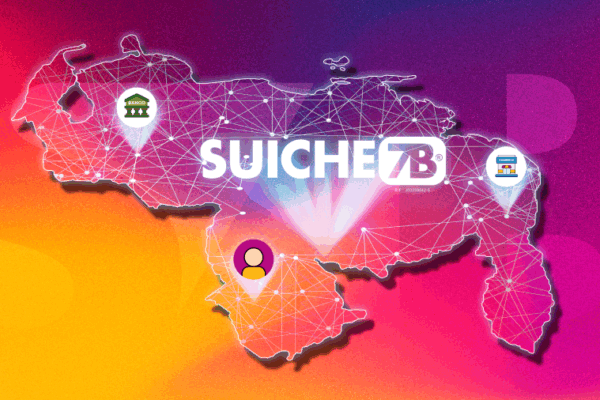
As Venezuela continues to navigate a complex macroeconomic landscape, the evolution of its domestic financial architecture remains a critical focal point for both regional analysts and market participants. Recent developments highlight a significant effort to modernize the nation’s electronic transaction capabilities, with local entities increasingly taking the lead in establishing a robust digital payments infrastructure. This shift toward homegrown technological solutions is emblematic of a broader regional trend where financial institutions are prioritizing sovereignty and efficiency to meet the demands of a changing consumer base.
Central to this narrative is the recent industry recognition of Suiche 7B, a long-standing player in the Venezuelan financial services sector. The organization has been acknowledged for its role in advancing digital payment solutions, an achievement that underscores the growing importance of local fintech innovation in Latin America. By building and maintaining internal systems that facilitate secure, real-time monetary transfers, these institutions are effectively reducing their dependence on external legacy platforms, thereby enhancing the resilience of the national payment ecosystem.
The recognition of Suiche 7B’s technological contributions serves as a case study in how established domestic firms are pivoting to address the digital-first expectations of modern users. In an era where financial inclusion and accessibility are paramount, the ability to process high volumes of digital transactions reliably is a competitive advantage. This development is particularly relevant as the broader Latin American market sees increased investment in digital transformation, as noted in recent industry reports by organizations such as CIOReview, which tracks technological advancements across enterprise sectors.
Building a Sovereign Digital Payment Ecosystem
The push for a more integrated and efficient payment infrastructure in Venezuela is not merely a matter of convenience; it is a strategic economic necessity. For years, the country has faced unique challenges regarding liquidity and transaction processing. By investing in proprietary infrastructure, entities like Suiche 7B are attempting to bridge the gap between traditional banking and the digital economy. This involves the deployment of advanced network protocols that allow for seamless interoperability between different financial institutions, ensuring that consumers can transfer funds with minimal friction.

This transition toward digital maturity is supported by a growing ecosystem of local developers and financial engineers focused on creating scalable solutions. The objective is clear: to establish a stable, high-availability network that can withstand the volatility often associated with emerging markets. When institutions successfully implement these systems, they provide a foundation for other fintech services—such as mobile wallets and e-commerce platforms—to flourish, thereby stimulating broader economic activity.
The Role of Industry Recognition in Market Growth
Market accolades, such as those bestowed by specialized industry publications, play a vital role in validating the efforts of companies operating in challenging environments. When a firm is recognized as a leader in digital payments, it signals to both domestic and international stakeholders that there is tangible progress being made in the region’s technological infrastructure. For Suiche 7B, this recognition serves as a testament to its operational longevity and its capacity to adapt its legacy systems to meet modern standards.
such validation helps to attract potential partners and investors who are looking for reliable local entities to collaborate with. As the digital payment landscape continues to evolve, the ability to demonstrate a track record of innovation and security becomes the primary driver of growth. Industry experts suggest that the future of finance in Latin America will be defined by those who can successfully marry established banking trust with the agility of modern fintech.
Looking Ahead: Challenges and Opportunities
Despite the progress, the path forward for digital payments in Venezuela is not without its hurdles. Sustained investment in infrastructure, constant updates to cybersecurity protocols, and the need for regulatory clarity remain central concerns for all participants in the sector. The integration of new technologies requires not only technical expertise but also a consistent commitment to compliance and risk management. As the nation moves forward, the focus will likely remain on enhancing the user experience while ensuring that the payment infrastructure remains robust against systemic shocks.

For consumers and businesses alike, the continued development of these digital tools offers a path toward greater financial transparency and efficiency. While the broader economic context remains complex, the technical milestones achieved by companies like Suiche 7B provide a glimpse into the potential for home-grown innovation to drive systemic change. Market participants should monitor upcoming industry conferences and regulatory announcements for further insights into the next phase of digital payment integration in the region.
We invite our readers to share their perspectives on the evolution of digital payments in Latin America. As this sector continues to transform, we remain committed to providing in-depth analysis of the trends and technologies shaping the global business landscape. Please leave your comments below or engage with our team on social media to participate in the conversation.