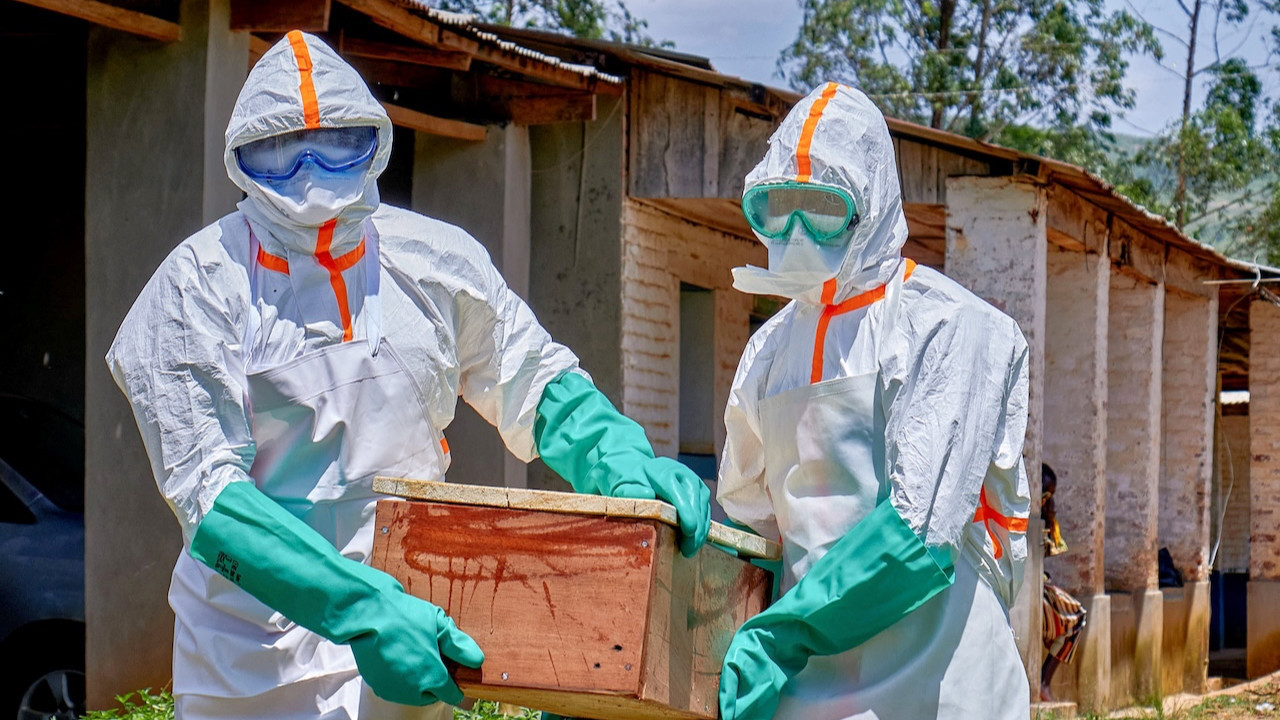
Ebola Outbreak in DRC and Uganda Declared a Global Health Emergency as Cases Surge
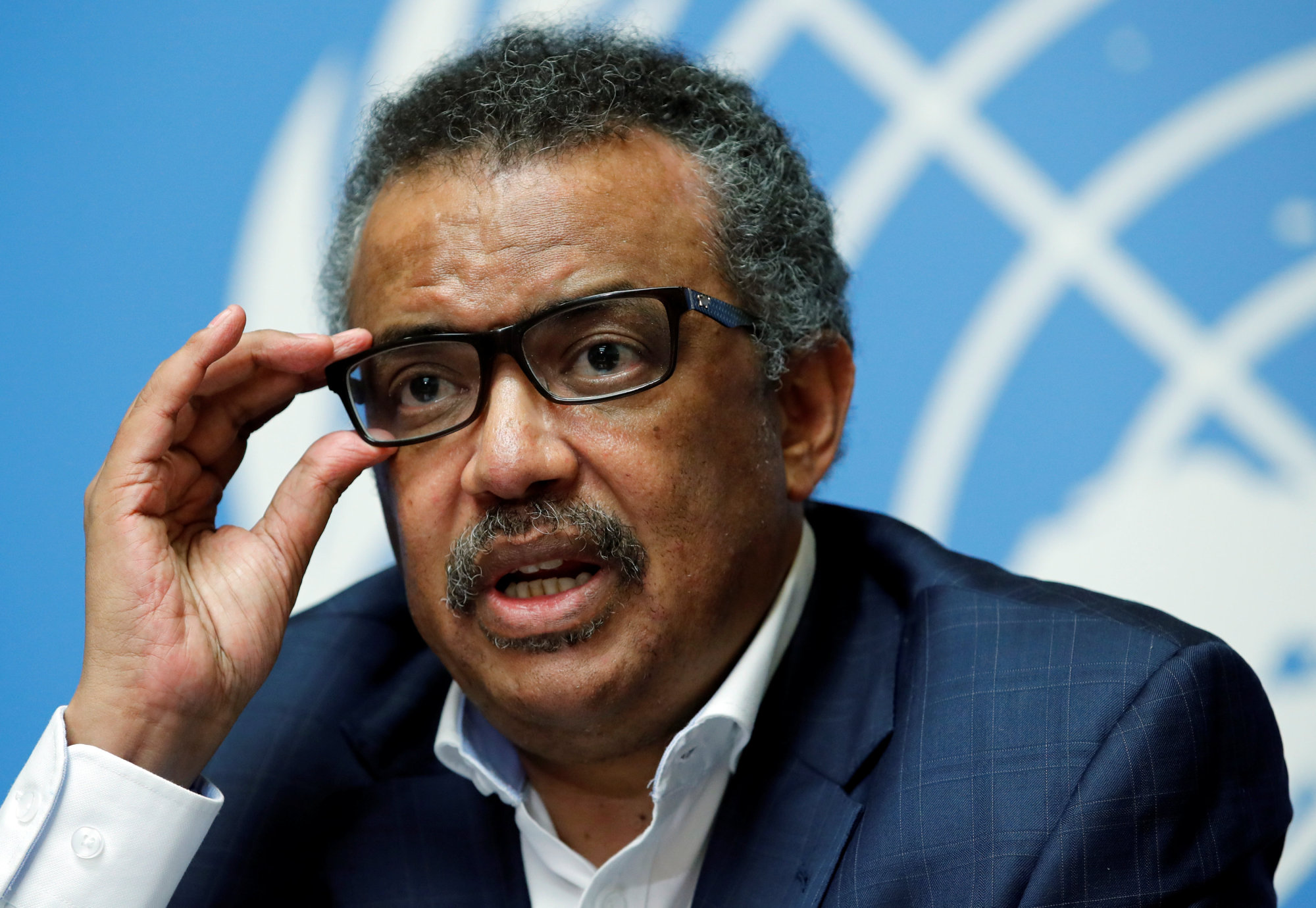
Berlin, Germany — May 26, 2026 The World Health Organization (WHO) has formally declared the ongoing Ebola outbreak in the Democratic Republic of the Congo (DRC) and Uganda a Public Health Emergency of International Concern (PHEIC), marking the first such declaration for this strain of the virus since 2018. The announcement, made by WHO Director-General Dr. Tedros Adhanom Ghebreyesus on May 17, 2026, follows a rapid escalation in confirmed and suspected cases across Ituri Province, raising alarms about regional and potential global spread.
As of May 16, 2026, health authorities in the DRC and Uganda reported eight laboratory-confirmed cases, 246 suspected cases, and 80 suspected deaths linked to the Bundibugyo ebolavirus, a less common but deadly variant of the disease. The outbreak has now spread to at least three health zones within Ituri Province, including Bunia, Rwampara, and Mongbwalu, according to the WHO’s official determination.
The PHEIC designation—triggered under the International Health Regulations (2005)—does not classify the outbreak as a pandemic emergency but signals urgent global concern. Dr. Tedros emphasized the “extraordinary” nature of the event, citing the virus’s rapid transmission, the risk of international spread, and the potential for interference with global travel and trade.
Why This Matters: The Bundibugyo ebolavirus, first identified in Uganda in 2007, has historically caused smaller outbreaks with fatality rates ranging from 25% to 50%. However, its recent resurgence in conflict-affected regions of eastern DRC—where healthcare infrastructure is fragile—poses unique challenges. The WHO’s declaration underscores the need for immediate, coordinated action to prevent further transmission and protect vulnerable populations.
“The event meets the criteria of a PHEIC for the following reasons: it is extraordinary, unexpected, serious, and carries implications for international spread. The risk to human health, the risk of international spread, and the risk of interference with international traffic are all incredibly high.”
— Dr. Tedros Adhanom Ghebreyesus, WHO Director-General, May 17, 2026 Source
Rapid Escalation: How the Outbreak Unfolded
The current outbreak was first detected in early May 2026, with initial cases reported in Ituri Province’s Bunia health zone. By May 16, the virus had spread to neighboring health zones, prompting the DRC’s Ministry of Health to activate emergency response protocols. Uganda, which shares a porous border with the DRC, has since reported cross-border transmission, though exact case numbers remain under investigation.
Critical Challenges:
- Geographic Spread: The outbreak spans three health zones in Ituri, a region plagued by armed conflict and limited access to medical facilities.
- Virus Variant: The Bundibugyo strain is less documented than the more infamous Sudan or Zaire ebolaviruses, complicating treatment and vaccine strategies.
- Humanitarian Access: Ongoing insecurity in eastern DRC has hindered rapid deployment of response teams, including WHO and Red Cross personnel.
While the WHO has not yet recommended travel restrictions, the organization is urging affected countries to enhance surveillance, isolate cases, and vaccinate high-risk contacts. Global health partners, including the International Federation of Red Cross and Red Crescent Societies (IFRC), have pledged support, though logistical hurdles remain.
Who Is Affected—and What’s Next?
The primary impact is concentrated in eastern DRC and western Uganda, where communities face disrupted livelihoods, school closures, and economic strain. The WHO’s PHEIC declaration triggers global preparedness protocols, including:

- Enhanced Monitoring: Countries adjacent to DRC and Uganda are scaling up screening at ports of entry.
- Vaccine Stockpiles: The experimental Ebola vaccine (Ervebo), previously used in the 2018–2020 DRC outbreak, is being prioritized for frontline workers.
- Public Health Advisories: The WHO has issued technical guidance for laboratories, clinicians, and communities to mitigate transmission.
For Travelers and Businesses: As of May 26, 2026, no countries have imposed blanket travel bans, but individuals with non-essential travel plans to high-risk areas are advised to consult their government’s health advisories. The WHO’s International Travel and Health portal provides real-time updates on affected regions.
Key Questions About the Outbreak
1. What is the Bundibugyo ebolavirus?
A rare but deadly strain of Ebola first identified in Uganda in 2007. It causes symptoms similar to other Ebola viruses, including fever, vomiting, and hemorrhagic fever, with a fatality rate of 25–50% in untreated cases.
2. Why was this outbreak declared a PHEIC?
The WHO cited three criteria: the event is extraordinary (unexpected and severe), carries a high risk of international spread, and may interfere with global trade/travel. The designation unlocks international funding and coordination.
3. Are there treatments or vaccines available?
Yes. The WHO-recommended Ervebo vaccine (Merck) has shown 97% efficacy in clinical trials. Experimental treatments like REGN-EB3 (Regeneron) are also being deployed.
4. How can individuals protect themselves?
Avoid contact with infected individuals, practice hand hygiene, and report fever or unexplained bleeding to health authorities. The WHO advises against consuming bushmeat in high-risk areas.
The Road Ahead: What to Watch For
The next critical checkpoint is the WHO’s Emergency Committee meeting on June 2, 2026, where experts will reassess the outbreak’s trajectory and recommend further measures. In the meantime:
- The DRC and Uganda are scaling up community engagement to combat misinformation and stigma.
- Global health organizations are mobilizing funds to support laboratory testing and contact tracing.
- Researchers are studying whether the Bundibugyo strain responds differently to vaccines/treatments compared to other Ebola variants.
Stay Informed: For official updates, monitor the WHO’s Ebola Outbreak News page and your government’s health advisories. If you’re traveling to the region, register with your embassy’s health alert system.
Share Your Thoughts: How should global health agencies prioritize resources during this crisis? Leave your comments below or share this article to raise awareness.
Worth a look