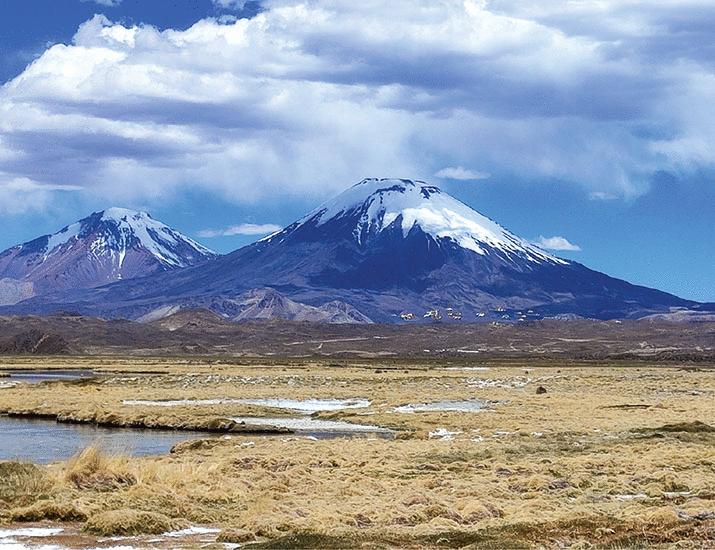
BERLIN, May 26, 2026 — Chile’s reputation as a regional leader in environmental protection is under threat as President José Antonio Kast’s government moves to overhaul decades-old conservation laws. A coalition of scientists, Indigenous leaders, and international NGOs warns that proposed reforms—including weakened enforcement of protected areas and relaxed restrictions on mining and agriculture—could trigger irreversible damage to the country’s unique ecosystems, from the Atacama Desert to Patagonia’s glaciers.
With Chile hosting critical COP30 climate talks in 2025, the timing of these changes has sparked global concern. Environmentalists argue the reforms contradict Chile’s international commitments, while economists highlight potential economic costs from lost tourism revenue and investor distrust. Meanwhile, Indigenous communities like the Mapuche face heightened risks as land-use regulations come under scrutiny.
This is not just a Chilean issue. As the world’s driest desert and one of its most biodiverse coastal regions, Chile’s environmental policies have served as a model for Latin America. Rollbacks here could embolden similar shifts in neighboring countries, undermining the continent’s progress toward its 2030 climate and biodiversity targets.
Why Chile’s Environmental Policy Is in Crisis
Chile’s environmental framework has long been built on three pillars: strict protected-area designations, robust Indigenous land rights, and binding climate action plans. But under Kast—whose administration took office in March 2026 after a hard-fought election—each of these pillars is now under attack.
Key developments include:
- Weakened protected-area enforcement: Proposed changes to the Ministry of the Environment’s oversight rules could allow mining and logging in zones previously off-limits. Critics warn this threatens species like the endangered huemul deer and the Atacama’s unique flora.
- Indigenous land rights under review: The Mapuche and other groups have seen delays in land-title recognition processes, raising fears of increased conflict over resource extraction.
- Climate commitments in limbo: Chile’s 2050 carbon-neutral pledge remains unfulfilled, with no clear pathway under the current administration.
“This isn’t just about Chile,” says Dr. Víctor Caro, a conservation biologist at the University of Chile and co-author of a recent Science letter on the topic. “Chile’s environmental laws have been a benchmark for the region. If they unravel, it sends a message to Brazil, Argentina, and beyond that strong protections aren’t necessary.”
Who Stands to Lose—and Gain—from the Changes
Supporters of the reforms argue they will boost economic growth by making it easier for businesses to operate in environmentally sensitive zones. The Chilean Chamber of Deputies has seen increased lobbying from mining and agricultural sectors, which have long opposed strict conservation measures.

But the losers are clear:
- Indigenous communities: The Mapuche, who have fought for decades to protect their ancestral lands, face renewed threats to their territories. A 2024 study in Nature Climate Change found that Indigenous-led conservation areas in Chile store 30% more carbon than government-managed ones (source).
- Wildlife and ecosystems: Chile’s CONAF (National Forest Corporation) reports that 15% of Chile’s endemic species are already critically endangered. Relaxed protections could push more toward extinction.
- Tourism and export industries: Chile’s wine, salmon, and copper sectors—each worth billions annually—rely on pristine environments. A 2025 World Travel & Tourism Council report ranked Chile’s Patagonia region as the #1 eco-tourism destination in Latin America (source).
What Happens Next: The Legal and Political Battles Ahead
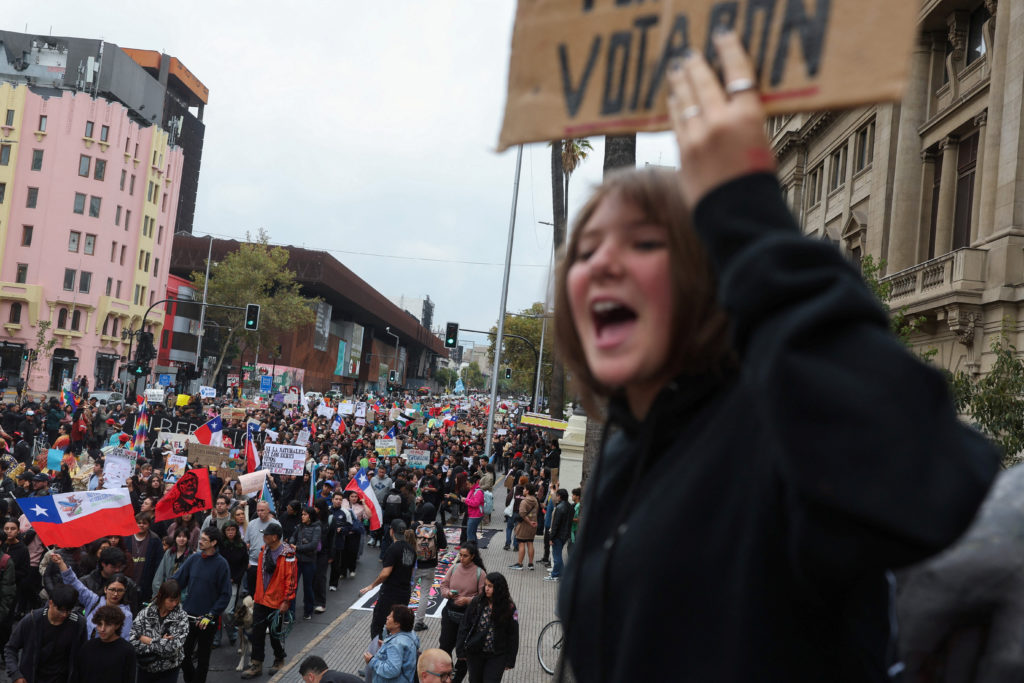
The reforms are still in draft form, but opposition is mounting. The Chilean Senate is expected to debate the proposals by July 2026, with environmental groups planning mass protests in Santiago and Valparaíso. Meanwhile, international pressure is growing:
- The IUCN has issued a statement calling on Chile to uphold its Convention on Biological Diversity obligations.
- The UN Environment Programme has signaled it may reassess Chile’s eligibility for green financing if protections weaken.
- The COP28 presidency has expressed “deep concern” about the reforms in private meetings with Chilean officials.
“This is a defining moment for Chile,” says Daniela Manuschevich, a political scientist at the University of Santiago. “The government can either double down on its economic agenda and risk international backlash, or it can find a middle ground that balances growth with conservation. The clock is ticking.”
How You Can Stay Informed
For updates on Chile’s environmental policy developments, monitor these official channels:
- Ministry of the Environment of Chile – Official legislative proposals and public consultations.
- CONAF (National Forest Corporation) – Biodiversity reports and protected-area updates.
- Chilean Senate – Debate schedules and voting records on environmental bills.
- COP28 Climate Change Conference – Statements on Chile’s role in global climate commitments.
Key Takeaways
- Chile’s environmental laws are at a crossroads: Proposed reforms could weaken protections for 15% of the country’s critically endangered species.
- Indigenous rights are in the balance: Delays in land-title recognition threaten Mapuche and other communities’ ability to protect their territories.
- Global implications: Chile’s actions could influence environmental policies across Latin America ahead of COP30.
- Economic risks: Tourism and export industries—worth over $10 billion annually—could face setbacks if ecosystems degrade.
- Next steps: Senate debates expected by July 2026, with protests and international pressure mounting.
What do you think? Should Chile prioritize economic growth over environmental protections? Share your perspective in the comments below—or tag @WorldTodayJrnl to join the discussion.
For more on global environmental policy, explore our coverage:
Worth a look