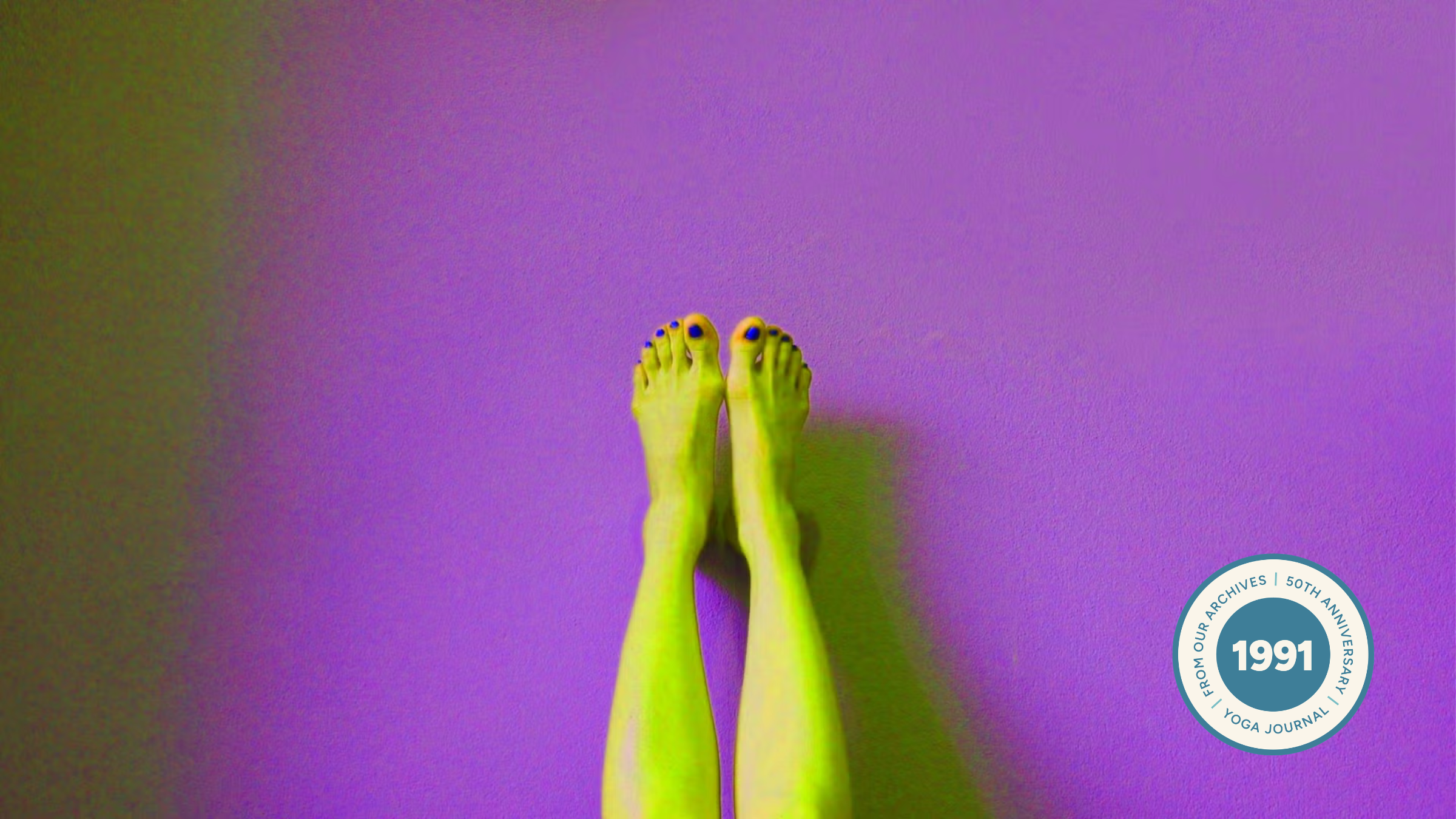
The practice of Viparita Karani, or “legs-up-the-wall” pose, has transitioned from a traditional yoga posture into a widely cited tool for physiological recovery and nervous system regulation. As a physician, I frequently see patients managing the cumulative effects of chronic stress and sedentary work environments; while no single movement acts as a panacea, this restorative inversion offers a simple, accessible method for encouraging venous return and shifting the body from a sympathetic “fight-or-flight” state toward a parasympathetic “rest-and-digest” response.
The physiological rationale for the pose is rooted in basic circulatory mechanics. According to the National Center for Complementary and Integrative Health, yoga practices that incorporate gentle inversions can assist in managing stress and improving overall well-being by modulating the autonomic nervous system. By positioning the legs above the level of the heart, gravity assists the venous blood and lymphatic fluid in returning from the lower extremities toward the core and heart. This can be particularly beneficial for individuals who experience peripheral edema or “heavy legs” after prolonged periods of standing or sitting, as noted in clinical observations regarding venous insufficiency and postural management published by the American Heart Association.
The Physiological Impact of Restorative Inversion
The primary benefit of Viparita Karani lies in its ability to facilitate physical stillness. In a modern healthcare context, we often emphasize active recovery, yet the capacity to remain in a stationary, non-strenuous position is equally vital. When the legs are supported by a wall, the psoas muscles and the lower back are allowed to release tension that often accumulates during the day. This mechanical release is a key component of what practitioners describe as “restorative yoga,” a category of practice recognized for its role in reducing cortisol levels, as discussed in research featured by the Harvard Medical School.
From a nervous system perspective, the act of elevating the legs encourages a slowing of the heart rate. When the body is placed in a horizontal position with the legs supported, the baroreceptors—the body’s pressure sensors located in the carotid sinuses and the aortic arch—signal the brain to adjust blood pressure and heart rate accordingly. This transition is essential for those struggling with the physiological markers of burnout. Unlike high-intensity exercise, which temporarily spikes cortisol, restorative postures are designed to signal safety to the brain, which can help mitigate the long-term effects of chronic stress on the cardiovascular system.
Clinical Considerations and Safety Guidelines
While the pose is generally considered low-risk, it is not appropriate for every individual. Patients with uncontrolled hypertension, glaucoma, or certain cardiovascular conditions should consult their primary care physician before beginning any practice that involves even mild inversion. The increase in intracranial pressure associated with inversions, however slight, can be contraindicated for those with specific ocular or vascular health issues, according to guidelines from the Mayo Clinic regarding exercise safety.
For the general population, the technique is straightforward: sit with one hip as close to the wall as possible, then swing the legs up onto the wall while lying back. The torso should be perpendicular to the wall, and the arms can be rested in a comfortable position, such as out to the sides or resting on the abdomen. It is recommended to maintain this position for 5 to 15 minutes. For those with tight hamstrings, placing a folded blanket or a bolster under the sacrum can provide additional support and prevent strain on the lumbar spine. If any numbness or tingling occurs in the feet, the position should be adjusted or discontinued, as this may indicate nerve compression.
Integrating Mindfulness into Daily Recovery
The “legs-up-the-wall” pose is most effective when paired with intentional breathing. Diaphragmatic breathing—often called “belly breathing”—further stimulates the vagus nerve, which is the primary component of the parasympathetic nervous system. By focusing on slow, rhythmic inhalations and longer, controlled exhalations, an individual can deepen the relaxation response initiated by the physical position. This intersection of physical posture and breath work is a staple in evidence-based stress reduction programs, such as those modeled after Mindfulness-Based Stress Reduction (MBSR) protocols tracked by the UMass Memorial Health.
As we continue to navigate the demands of global health challenges and the increasing prevalence of sedentary lifestyles, simple, low-barrier interventions remain essential. The widespread interest in restorative practices reflects a growing awareness that health is not merely the absence of disease, but the presence of active recovery and self-regulation. Whether used as a transition between work and home life or as a preparation for sleep, this practice serves as a reminder of the body’s inherent capacity to recalibrate when given the appropriate environment.
For those interested in the latest clinical updates on the intersection of lifestyle medicine and cardiovascular health, the European Society of Cardiology provides ongoing research summaries that contextualize how daily movement patterns influence long-term health outcomes. If you have questions about how restorative postures might fit into your specific health regimen, I encourage you to discuss them with your healthcare provider during your next scheduled check-up. We welcome your thoughts and experiences with restorative movement—please share your perspective in the comments below.
Worth a look