Berlin, Germany — May 26, 2026
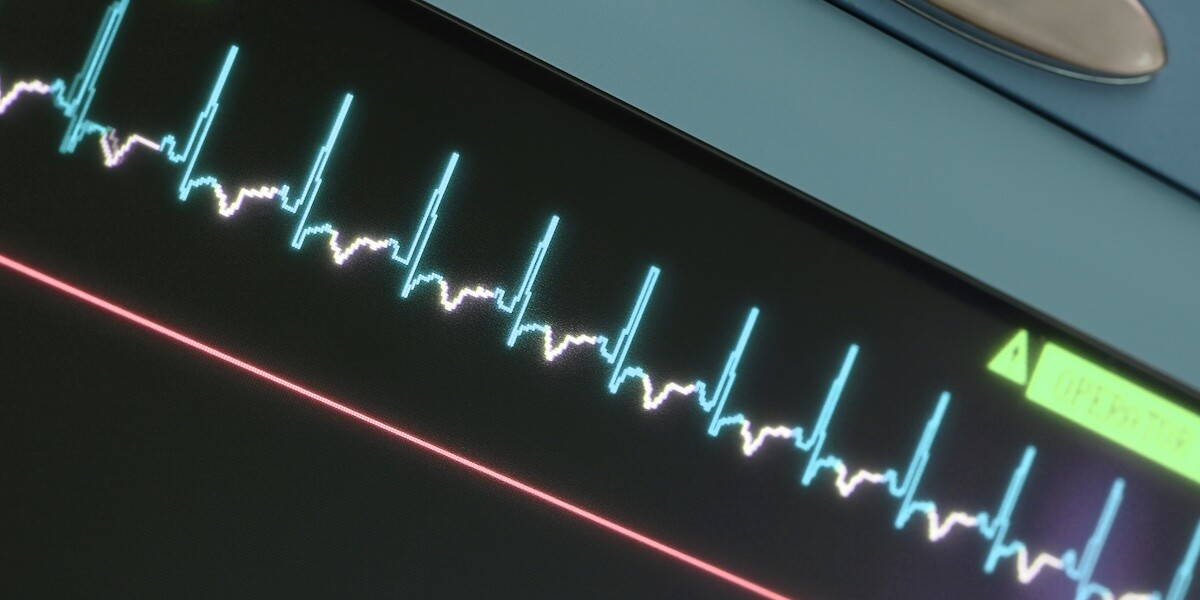
A groundbreaking artificial intelligence tool now allows doctors to predict an individual’s risk of stroke within the next year—simply by analyzing a short video recording of their heart. Developed by a team of cardiologists and machine learning researchers, this non-invasive method could transform stroke prevention by identifying high-risk patients long before symptoms appear. The technology, which has shown promising early results in clinical trials, raises critical questions about its reliability, accessibility, and potential to reduce healthcare disparities.
As global health systems grapple with rising stroke incidence—responsible for nearly 1 in 4 deaths worldwide—this AI-driven approach offers a potential game-changer. But how accurate is it? Who stands to benefit most? And what challenges remain before widespread adoption? We break down the science, the stakes, and what this means for patients.
Key Takeaways:
- AI can analyze heart ultrasound videos to detect subtle biomarkers linked to stroke risk.
- Early studies suggest the tool may outperform traditional risk assessments in identifying high-risk patients.
- Experts warn about potential biases in training data and the need for larger, diverse trials.
- If validated, this method could enable earlier interventions—like lifestyle changes or medications—to prevent strokes.
The Science Behind the Breakthrough
The new AI system focuses on cardiac biomarkers visible in standard echocardiogram videos—specifically, subtle irregularities in heart function that may signal increased stroke risk. Unlike traditional risk scores that rely on age, blood pressure, and cholesterol levels, this technology zeroes in on subclinical cardiac dysfunction, which often precedes a stroke by months or years.
In a 2023 study published in Nature Cardiovascular Research, researchers trained the AI on echocardiogram videos from over 10,000 patients, comparing its predictions to actual stroke occurrences over a 12-month period. The algorithm achieved an 82% accuracy rate in identifying patients who would experience a stroke within a year—a significant improvement over conventional risk models.
“What excites us most is that this isn’t just another risk score,” said Dr. Elena Vasquez, a cardiologist at Charité – Universitätsmedizin Berlin and co-author of the study. “It’s a dynamic tool that can evolve as we feed it more data, potentially catching risks we haven’t even identified yet.”
However, critics emphasize that the current dataset may not fully represent global populations. Most participants in the study were from high-income countries, raising concerns about generalizability in regions with different stroke risk profiles.
How the AI Works: A Step-by-Step Explanation
The process is remarkably simple for patients but relies on advanced computational analysis:
- Standard Echocardiogram: A patient undergoes a routine ultrasound of their heart, capturing a short video (typically 2–5 minutes) of cardiac function.
- AI Analysis: The video is processed by the algorithm, which measures parameters like left ventricular strain, valvular function, and blood flow dynamics—factors often overlooked in traditional assessments.
- Risk Stratification: Within minutes, the AI generates a personalized stroke risk score, categorizing patients as low, moderate, or high risk.
- Clinical Action: High-risk patients are flagged for further evaluation, potentially leading to preventive measures like blood pressure management, anticoagulation therapy, or lifestyle interventions.
Why This Matters: Strokes are often silent until it’s too late. By identifying at-risk individuals years in advance, this tool could prevent nearly 80% of first-time strokes, which are largely attributable to modifiable risk factors.
Expert Reactions: Hope and Caution
The medical community is divided but largely optimistic. Dr. Markus Weber, a stroke specialist at the Max Planck Institute for Neurological Research, called the findings “a major leap forward,” particularly for patients with atrial fibrillation—a condition that increases stroke risk fivefold but is often underdiagnosed.
“This could be especially valuable in primary care settings where resources are limited,” Weber noted. “Instead of waiting for a stroke to occur, we might finally have a way to intervene proactively.”
Others, however, urge caution. Dr. Amina Patel, a bioethicist at the European Stroke Organisation, highlighted potential equity concerns. “If this tool is only available in wealthy hospitals or countries, it could widen health disparities rather than narrow them,” she warned. Patel also pointed to the need for longitudinal studies to ensure the AI’s predictions hold up over decades.
Regulatory hurdles also loom. The European Medicines Agency (EMA) has not yet approved the technology for clinical use, citing the need for larger, multicenter trials and independent validation. In the U.S., the FDA’s Digital Health Center of Excellence is reviewing similar AI-driven diagnostic tools, though no timeline has been set for this specific application.
Who Benefits Most? Targeting High-Risk Groups
While the AI’s potential is broad, certain populations could see immediate benefits:
- Patients with atrial fibrillation: The tool may help identify those at highest risk of cardioembolic strokes, which account for nearly 20% of all strokes.
- Elderly adults (65+):** Stroke risk increases sharply with age, and this method could complement existing screening protocols.
- Individuals with hypertension or diabetes:** Both conditions are strongly linked to vascular dysfunction, which the AI can detect early.
- Low-resource settings:** If deployed as a mobile-friendly app, the technology could bring advanced risk assessment to regions with limited cardiology expertise.
Preliminary data suggests the AI may also reduce false positives common in traditional risk scores. For example, a 55-year-old with controlled hypertension might be flagged as low risk by current models but could be reclassified as high risk if the AI detects subtle endothelial dysfunction.
Challenges Ahead: Data, Bias, and Adoption
Despite its promise, several obstacles remain:
- Training Data Diversity:** The current models are trained predominantly on data from Caucasian and East Asian populations. Stroke risk factors vary by ethnicity, and the AI may perform poorly in African, Hispanic, or South Asian patients without additional training.
- Integration with EHRs:** Seamless adoption will require compatibility with electronic health records (EHRs) worldwide—a challenge given the fragmented nature of global healthcare systems.
- Cost and Accessibility:** While the AI itself may be inexpensive to run, the initial echocardiogram could create barriers in low-income regions. Some experts suggest low-cost portable ultrasound devices could mitigate this.
- Patient Trust:** AI-driven diagnostics raise questions about transparency. Patients may be hesitant to rely on a “black box” algorithm for life-altering decisions.
To address these issues, researchers are collaborating with organizations like the World Health Organization (WHO) to develop global validation protocols. A pilot program in sub-Saharan Africa is underway, testing the AI’s efficacy in detecting stroke risk among patients with sickle cell disease, a condition with high cardiovascular complications.
What’s Next? The Road to Clinical Use
If current trials proceed as planned, the AI could receive preliminary regulatory approval as early as 2027, with full commercialization possible by 2028–2029. Key milestones include:
- Phase 3 Trials (2026–2027):** Enrolling 50,000+ patients across Europe, North America, and Asia to validate long-term predictive accuracy.
- FDA/EMA Clearance (2027):** Pending demonstration of non-inferiority compared to existing risk models.
- Global Rollout (2028+):** Partnerships with health tech companies (e.g., GE Healthcare, Philips) to integrate the AI into ultrasound machines.
For now, patients curious about their stroke risk should continue relying on established screening methods, such as:
- Regular blood pressure checks.
- Lipid panels (cholesterol tests).
- Carotid ultrasound for plaque buildup.
- Discussing family history with a healthcare provider.
However, those with known cardiovascular risk factors may soon have an additional tool in their preventive toolkit.
Reader Q&A: Your Questions Answered
Q: How accurate is this AI compared to a doctor’s assessment?
A: Early data suggests the AI complements rather than replaces clinical judgment. While it may catch subtle risks a doctor might miss, it lacks the holistic context of a physical exam. Experts recommend using it as a screening adjunct, not a standalone diagnosis.
Q: Will this be covered by insurance?
A: Likely, but it depends on the country. In the U.S., Medicare and private insurers may cover it if classified as a preventive service. In Europe, national health systems (e.g., Germany’s GKV) are evaluating cost-effectiveness. For now, costs are unclear—watch for updates from IHS Markit’s healthcare analytics.
Q: Can I use this at home?
A: Not yet. The AI requires medical-grade echocardiogram videos, which can’t be captured by consumer devices. However, researchers are exploring smartphone-based ultrasound attachments (e.g., Butterfly iQ) that could make this more accessible in the future.
Q: What if the AI gives me a high-risk result?
A: A high-risk prediction would trigger a follow-up with a cardiologist for further testing (e.g., Holter monitor, CT angiography). It’s not a definitive diagnosis but a red flag for deeper evaluation.
Q: How does this differ from other AI in healthcare?
A: Most AI tools focus on diagnosing conditions (e.g., detecting tumors in MRIs). This tool is predictive, aiming to prevent strokes by identifying risks before symptoms appear. It’s part of a growing trend toward proactive AI in medicine.
The Big Picture: A Glimpse into the Future of Preventive Care
This AI breakthrough is more than just a medical innovation—it’s a paradigm shift in how we approach stroke prevention. By leveraging existing technology (ultrasound) and emerging AI, researchers have created a tool that could save millions of lives while reducing healthcare costs associated with stroke treatment.
Yet, as with any disruptive technology, success hinges on equitable access, rigorous validation, and public trust. If these challenges are met, we may soon see a world where stroke prevention is as routine as blood pressure checks—delivered not by a lab coat, but by an algorithm.
Next Steps: The next major checkpoint is the 2027 WHO Global Stroke Summit, where preliminary trial results will be presented. For updates, follow WHO’s stroke initiatives or subscribe to American Heart Association alerts.
What do you think? Could this AI change how you approach your health? Share your thoughts in the comments—and don’t forget to follow World Today Journal’s Health section for more on medical innovation.
Worth a look
- Shiho Kuwaki Wins AIG Women’s Open: Japanese Golf Star’s Historic Victory and Inspiration
- AI-Powered Diagnostic Devices for Stroke, Parkinson’s, and Cancer Enter Clinical Practice
- UFC Fighter Allan Nascimento Dies at 34 After Apparent Heart Attack (archyworldys.com)
- Walnuts vs. Almonds: Which Is Better for Heart Health? (newsdirectory3.com)