
Maranello, Italy — May 26, 2026 — Ferrari has officially entered the electric vehicle (EV) era with the unveiling of its first all-electric supercar, the Luce, a name inspired by the Italian word for “light.” The vehicle, which combines Ferrari’s iconic performance heritage with cutting-edge electric propulsion, delivers a staggering 1,050 horsepower and a starting price of $800,000. With its launch event fully booked and global anticipation high, the Luce signals Ferrari’s bold pivot toward electrification while maintaining its status as a symbol of luxury and speed.
The Luce isn’t just an electric Ferrari—it’s a redefinition of what a high-performance EV can be. Unlike traditional hybrids or plug-in models, the Luce is a pure electric vehicle, powered by a battery pack that Ferrari claims offers unprecedented efficiency for a car in its class. CEO Benedetto Vigna emphasized during the unveiling that the Luce represents a “new chapter for Ferrari”, one that balances sustainability with the brand’s signature thrill of acceleration and handling. “This is not just an electric car—it’s a Ferrari that happens to be electric,” Vigna stated, underscoring the company’s commitment to preserving its identity while embracing the future.
Ferrari’s foray into EVs comes at a critical juncture for the global automotive industry, where luxury brands are racing to electrify their lineups amid tightening emissions regulations and shifting consumer demand. The Luce’s introduction follows years of speculation and strategic partnerships, including a collaboration with Samsung Display to develop advanced OLED interfaces for the vehicle’s cabin. While exact details on the partnership remain under wraps, industry reports suggest Samsung Display will supply four types of OLED displays exclusively for the Luce, enhancing its digital dashboard and infotainment system.
Performance and Innovation: What Sets the Luce Apart
The Luce’s 1,050 horsepower is a testament to Ferrari’s ability to harness electric propulsion without sacrificing the raw power that defines its brand. While exact specifications remain limited—Ferrari has historically guarded its engineering secrets—the car is expected to accelerate from 0 to 60 mph in under 2.5 seconds, rivaling the quickest internal combustion engine (ICE) supercars on the market. The electric drivetrain also promises instant torque, eliminating the lag associated with traditional engines and delivering a driving experience that Ferrari purports is “unlike anything else”.
Under the hood, the Luce is powered by a high-voltage battery pack that Ferrari claims offers a range of over 300 miles per charge, a figure that would position it competitively against other luxury EVs like Tesla’s Model S Plaid and Porsche’s Taycan. However, Ferrari has yet to disclose charging infrastructure details, leaving questions about real-world range and fast-charging capabilities. Industry analysts suggest that Ferrari may prioritize performance over efficiency, a strategy that aligns with its historical focus on speed rather than practicality.
Design-wise, the Luce retains Ferrari’s signature aesthetic—sleek curves, aerodynamic lines and a low-slung silhouette—but with a modern, futuristic twist. The car’s exterior features active aerodynamics, adaptive lighting, and a panoramic glass roof that floods the cabin with natural light. Inside, the Luce abandons traditional analog gauges in favor of a fully digital cockpit, where Samsung Display’s OLED technology plays a central role. Reports indicate the displays will offer haptic feedback and customizable interfaces, allowing drivers to tailor the car’s visual and functional experience to their preferences.
Market Impact: Can Ferrari Compete in the EV Luxury Segment?
The Luce’s $800,000 price tag places it firmly in the ultra-luxury EV market, where it will face stiff competition from established players like Tesla, Rimac, and Porsche. Tesla’s Cybertruck and Roadster, along with Porsche’s upcoming electric sports cars, have already set high benchmarks for performance and technology. Ferrari’s challenge will be to convince consumers that the Luce isn’t just another electric car—but a true successor to its legendary ICE models, such as the 250 GTO and LaFerrari.
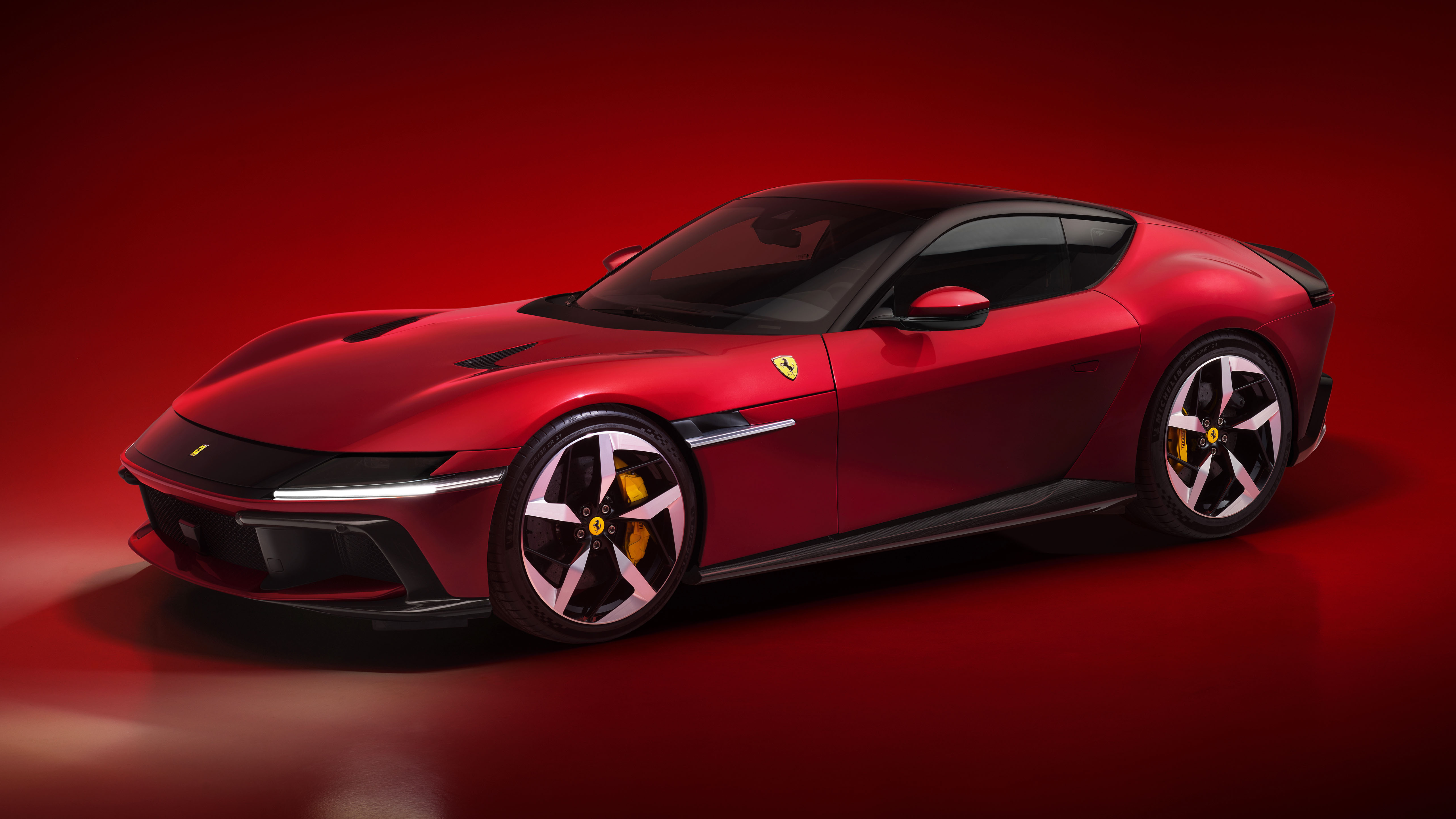
Ferrari’s decision to enter the EV market is also a strategic response to regulatory pressures. The European Union’s 2035 ban on new internal combustion engine vehicles has forced automakers to accelerate their electrification timelines. For Ferrari, which has long prided itself on its V12 engines, this transition represents a paradigm shift. The Luce serves as a proof of concept, demonstrating that Ferrari can deliver the same emotional connection through electric power as it has through combustion.
Analysts at Automotive News suggest that Ferrari’s EV strategy is “high-risk, high-reward”. On one hand, the brand’s prestige and heritage could help it command premium pricing in a crowded market. On the other, the high cost of battery technology and supply chain dependencies pose significant challenges. Ferrari’s partnership with Samsung Display, while innovative, also highlights the brand’s need to leverage external expertise to compete in a space dominated by tech giants and established automakers.
What’s Next for Ferrari and the Luce?
Ferrari has not yet announced a specific production timeline for the Luce, but industry insiders expect the first deliveries to begin in late 2027 or early 2028. The car’s launch event, which has been “fully booked” according to CEO Vigna, suggests strong pre-orders, though exact numbers remain undisclosed. Ferrari has also hinted at plans to expand its EV lineup, with rumors of a more affordable electric model in development.
For now, the Luce remains a symbol of Ferrari’s ambition—a bridge between its storied past and an uncertain electric future. Whether it will redefine the supercar market or remain a niche offering remains to be seen. One thing is clear: Ferrari is no longer just a maker of V12-powered machines. It’s now a player in the electric revolution, and the Luce is its first electric masterpiece.
Key Takeaways
- First Electric Ferrari: The Luce is Ferrari’s inaugural all-electric supercar, marking a historic shift for the brand.
- 1,050 Horsepower: The car delivers Ferrari’s signature performance through electric propulsion, with a 0-60 mph time under 2.5 seconds.
- $800,000 Price Tag: Positioned as an ultra-luxury EV, competing with Tesla, Rimac, and Porsche.
- Samsung Display Partnership: The Luce features exclusive OLED interfaces, enhancing its digital cockpit.
- Regulatory Pressure: Ferrari’s EV pivot is a response to the EU’s 2035 ICE ban and shifting consumer demand.
- Future Plans: Ferrari hints at expanding its EV lineup, with potential models targeting a broader price range.
Frequently Asked Questions
Q: How does the Luce’s range compare to other EVs?
A: Ferrari claims the Luce offers over 300 miles per charge, which is competitive with other luxury EVs like the Tesla Model S Plaid (390 miles) and Porsche Taycan Turbo S (291 miles). However, real-world range may vary based on driving conditions and charging infrastructure.

Q: Will the Luce be available globally?
A: Ferrari has not confirmed a global rollout, but given the car’s ultra-luxury positioning, it is likely to be sold in key markets including the U.S., Europe, and Asia. Exact availability will depend on local regulations and demand.
Q: What makes the Luce different from a Tesla or Porsche EV?
A: The Luce combines Ferrari’s heritage, performance, and brand prestige with cutting-edge electric technology. Unlike Tesla’s more utilitarian approach or Porsche’s focus on practicality, the Luce is designed as a pure performance machine, with a focus on driver engagement and luxury.
Q: When will the Luce go on sale?
A: Ferrari has not set a definitive sales date, but industry sources suggest deliveries could begin in late 2027 or early 2028. Pre-orders are reportedly strong, but exact figures remain undisclosed.
Ferrari’s next major checkpoint will be the official launch event, where the company is expected to provide more details on production timelines, pricing variations, and potential customization options. For now, the Luce remains a teaser of what’s to come—a glimpse into Ferrari’s electric future.
What do you think of Ferrari’s electric ambitions? Will the Luce redefine the supercar market, or is it just a stepping stone? Share your thoughts in the comments below or tag us on social media with #FerrariLuce.
Keep reading