
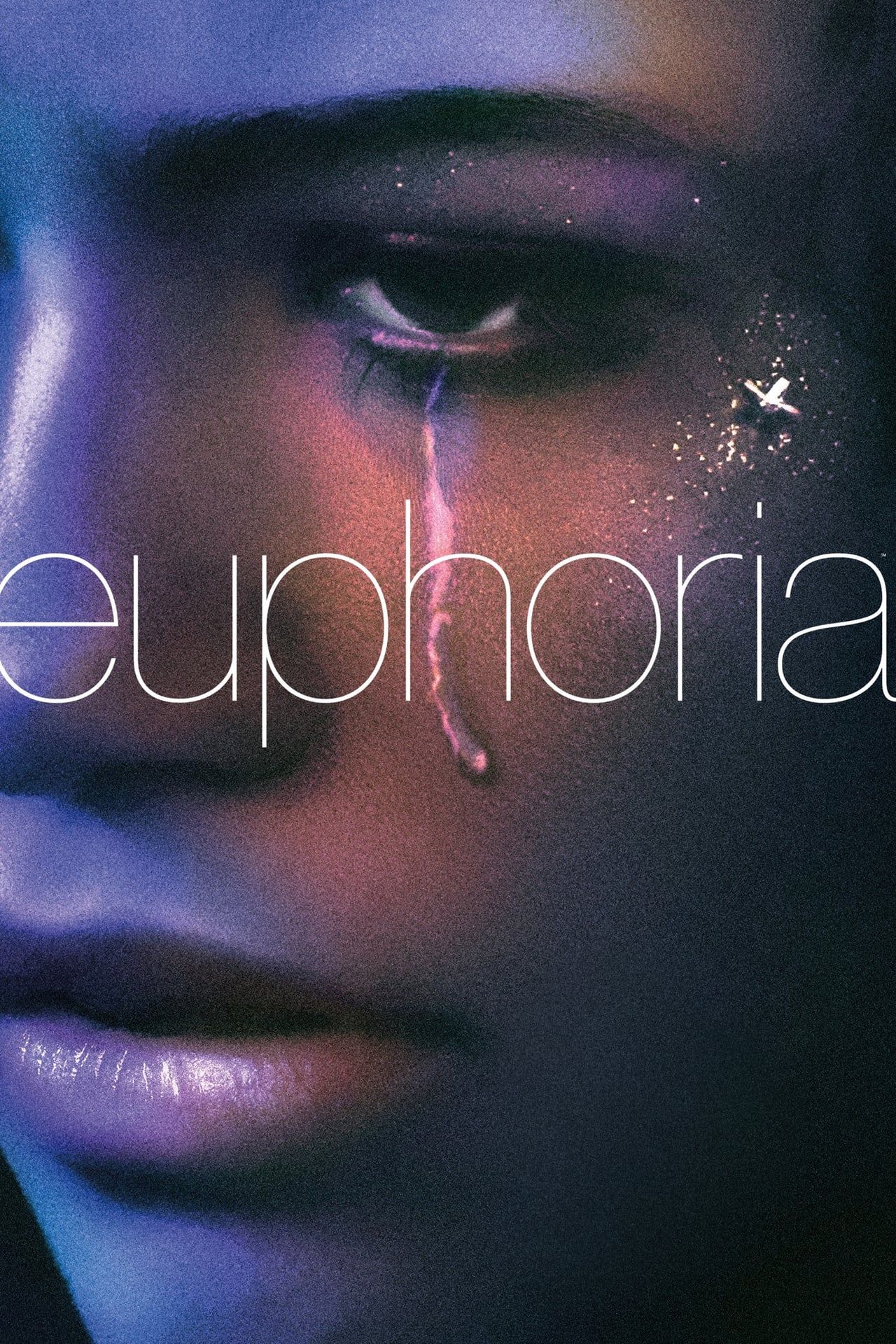
Los Angeles, May 26, 2026 — In a rare interview that delves into the creative process behind HBO’s critically acclaimed series Euphoria, showrunner Sam Levinson has offered a striking perspective on the show’s most controversial moment: the sudden and shocking death of a major character in the penultimate episode of Season 3. While the episode’s graphic violence has sparked widespread discussion among fans and critics alike, Levinson’s explanation reveals an unexpected origin for the scene—one that challenges assumptions about the show’s tone and storytelling intentions.
Levinson’s remarks, shared in a recent conversation with entertainment journalists, underscore a deliberate contrast between the darkness of the scene and its conceptual foundation. “Not all dark scenes come from a dark place,” he noted, hinting at a creative approach that blends visceral storytelling with deeper thematic exploration. The revelation comes as Euphoria continues to push boundaries in television, prompting questions about the balance between shock value and narrative purpose in modern storytelling.
For fans dissecting the episode’s impact, Levinson’s insight provides a rare glimpse into the show’s creative mind. However, the conversation also raises broader questions about the role of violence in contemporary television—whether it serves as a tool for emotional resonance or simply as a mechanism to provoke discussion. As the series prepares for its final season, Levinson’s perspective offers a timely reflection on the evolving landscape of TV storytelling.
The Shocking Death: A Scene Rooted in Unexpected Inspiration
Episode 7 of Euphoria Season 3 concluded with a character’s death that left audiences stunned. While the episode’s graphic nature dominated early reactions, Levinson clarified that the scene’s inspiration was not born from cynicism or a desire to shock for its own sake. Instead, he described the moment as an extension of the show’s long-standing exploration of trauma, resilience, and the complexities of human connection.
“There’s a fine line between what feels like a gratuitous act and what feels like a necessary one,” Levinson explained. “This particular scene was about consequences—something the characters had been avoiding for far too long. It wasn’t about spectacle. it was about truth.” The showrunner’s framing suggests that the death serves as a narrative turning point, forcing characters and viewers alike to confront the realities of their actions.
Levinson’s approach aligns with a growing trend in television, where creators increasingly use violence as a narrative device rather than a stylistic choice. Shows like Succession and The Last of Us have demonstrated how graphic moments can deepen emotional stakes when tied to character arcs. For Euphoria, this strategy appears to be paying off, with critics praising the episode’s ability to balance shock with substantive storytelling.
Fan Reactions: From Outrage to Praise
The episode’s release triggered a wave of reactions across social media, with fans divided between those who found the death disturbing and those who appreciated its narrative weight. Some viewers expressed discomfort with the scene’s intensity, while others highlighted its role in advancing the show’s central themes of addiction, mental health, and interpersonal relationships.

On platforms like X (formerly Twitter) and Instagram, discussions centered on whether the death was justified or excessive. One user wrote, “I wasn’t expecting that. But it made sense in the context of the story.” Another commented, “Euphoria always pushes boundaries, but this felt different—more like a wake-up call than a shock tactic.” These mixed reactions underscore the episode’s polarizing impact, a hallmark of Levinson’s direction.
Just watched Euphoria S3E7 and the ending left me speechless. Not gonna lie, it was brutal—but in the best way possible. Sam Levinson really knows how to make you feel.
What’s Next for Euphoria?
With Season 3 now concluded, all eyes are on the final chapter of Euphoria. While HBO has not yet announced an official release date for Season 4, production updates suggest filming is underway. Fans can expect the series to continue exploring its core themes, though Levinson has hinted at new creative directions that may further challenge expectations.
For those eager to stay updated, HBO’s official website and social media channels will be the primary sources for announcements. Levinson’s past interviews suggest that he may share more insights into the show’s future in upcoming press features or panel discussions.
Key Takeaways: Why This Episode Matters
- Narrative Purpose Over Shock: Levinson’s explanation reframes the episode’s violence as a deliberate narrative choice, not gratuitous spectacle.
- Fan Divide: Reactions highlight the episode’s ability to spark debate, a common trait in Euphoria’s storytelling.
- Thematic Depth: The death serves as a catalyst for exploring consequences and character growth.
- Future of the Show: Season 4 is expected to build on these themes, with production updates likely to emerge soon.
As Euphoria continues to redefine television boundaries, Levinson’s creative vision remains at the forefront. Whether through controversial moments or emotional breakthroughs, the show’s ability to provoke thought—and conversation—is undeniable.
What do you think about the episode’s ending? Share your thoughts in the comments below or join the discussion on our social media channels. For more updates on Euphoria and other entertainment news, stay tuned to World Today Journal.
Related reading