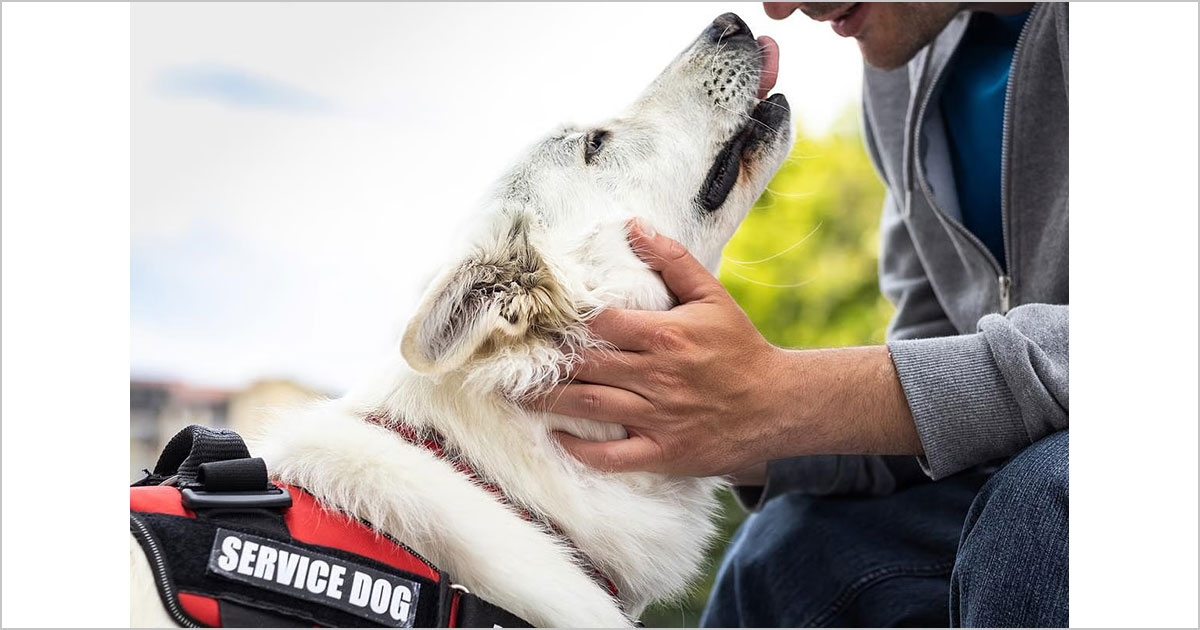
When we think of service animals, many of us picture dogs guiding the visually impaired or alerting those with hearing loss to critical sounds. But a growing body of research suggests that assistance dogs—trained to support individuals with disabilities or chronic illnesses—often perform tasks far beyond what most people realize. These animals are effectively care providers, collaborating with their human partners in ways that can rival the support of professional caregivers. The bond between humans and assistance dogs isn’t just about companionship; it’s a partnership that can transform daily life for those who rely on them.
While the concept of service animals is well-established, recent studies and advocacy efforts highlight how these dogs are increasingly filling gaps in healthcare and personal assistance. From reminding individuals to take medication to providing physical support for mobility challenges, assistance dogs are stepping into roles traditionally handled by human caregivers. This shift isn’t just a matter of convenience—it’s a reflection of how deeply these animals are integrated into the lives of people with disabilities, often becoming indispensable partners in managing health conditions.
The collaboration between humans and assistance dogs is built on years of specialized training, where dogs learn to anticipate needs, respond to commands, and even perform medical alerts. For example, diabetes alert dogs can detect blood sugar fluctuations before their owners do, while mobility assistance dogs help individuals with balance or coordination issues navigate their environments safely. These capabilities are not just impressive—they’re life-changing for those who depend on them. But how exactly do these dogs achieve such precision, and what does their work mean for the future of care and support?
Beyond the Leash: How Assistance Dogs Provide Care
Assistance dogs are trained to perform a wide range of tasks, often tailored to the specific needs of their handlers. According to the International Association of Assistance Dog Partners (IAADP), these tasks can include:
- Medical alerts: Detecting seizures, blood sugar spikes, or allergic reactions before they become critical.
- Mobility support: Assisting with balance, retrieving dropped items, or providing stability for individuals with physical disabilities.
- Psychiatric support: Interrupting harmful behaviors in individuals with conditions like PTSD or anxiety, or providing deep pressure therapy to reduce stress.
- Daily living tasks: Turning lights on/off, opening doors, or fetching medications.
What sets assistance dogs apart from other service animals is their ability to perform these tasks with a level of independence and initiative. Unlike guide dogs, which primarily focus on navigation, assistance dogs often operate with more autonomy, making decisions in real-time to support their handlers. For instance, a mobility assistance dog might choose to lead its handler around an obstacle without being explicitly commanded to do so, demonstrating a level of problem-solving that mirrors human caregiving.
This autonomy is the result of rigorous training programs, often spanning 12–18 months, where dogs are taught to recognize cues, respond to verbal and non-verbal commands, and adapt to unpredictable situations. Organizations like Guiding Eyes for the Blind and K9s for Veterans emphasize that the bond between handler and dog is a two-way street—both parties must trust and understand each other implicitly for the partnership to succeed.
The Science Behind the Bond: How Dogs Understand Human Needs
Research in animal cognition and behavioral science has begun to uncover the remarkable ways assistance dogs interpret human needs. A 2023 study published in the journal Applied Animal Behaviour Science found that assistance dogs can detect subtle physiological changes in their handlers, such as elevated heart rates or changes in breathing patterns, which may signal an impending medical episode. The study’s lead author, Dr. Emily Blackwell, noted that these dogs don’t just respond to commands—they anticipate needs based on learned patterns and environmental cues.
For example, a diabetic alert dog might recognize the scent of acetone on its handler’s breath—a byproduct of high blood sugar—and take action by nudging them toward their medication or alerting a caregiver. This level of sensitivity is not innate; it’s the result of years of training where dogs are rewarded for recognizing and responding to specific physiological markers. The study highlighted that the success of these dogs depends on their ability to generalize their training to new environments, a skill that requires advanced cognitive flexibility.
Beyond medical alerts, assistance dogs also play a crucial role in managing chronic conditions. For individuals with conditions like epilepsy or autism, these dogs can provide a sense of security and routine that human caregivers might struggle to replicate. Their presence alone can reduce anxiety, a phenomenon known as emotional support through companionship. While not all assistance dogs are trained for psychiatric support, those that are often undergo specialized programs to understand and respond to behavioral cues associated with mental health challenges.
Legal Recognition and the Growing Role of Assistance Dogs
The legal landscape for assistance dogs has evolved significantly in recent years, reflecting their expanding role in care and support. In the United States, the Americans with Disabilities Act (ADA) recognizes service animals as working animals that perform tasks for individuals with disabilities. This protection ensures that people with assistance dogs have equal access to public spaces, housing, and employment. However, the ADA does not distinguish between different types of service animals, which has led to some confusion about the specific roles of assistance dogs versus other service animals like guide dogs or emotional support animals.
To address this, some organizations and advocacy groups are pushing for clearer definitions. For instance, the International Association of Assistance Dog Partners (IAADP) has established standards for training and certification, ensuring that dogs meet specific criteria before being classified as assistance animals. These standards help distinguish assistance dogs from pets or emotional support animals, which do not have the same legal protections or training requirements.
Internationally, countries like the United Kingdom and Canada have also recognized the importance of assistance dogs, with laws and policies in place to support their use. In the UK, for example, the Equality Act 2010 provides protections for service animals, including assistance dogs, in public spaces. Similarly, Canada’s Canadian Human Rights Act prohibits discrimination based on the use of service animals, reinforcing their role as essential partners in care.
Challenges and the Future of Assistance Dog Care
Despite their incredible capabilities, assistance dogs face challenges that can limit their impact. One of the most significant barriers is the cost and availability of training programs. High-quality assistance dogs can cost between $20,000 and $50,000 to train, a financial burden for many individuals with disabilities. Organizations like Service Dog Central and Hearing Dogs for Deaf People often rely on donations and grants to provide these dogs at little or no cost to their handlers.
Another challenge is the stigma surrounding assistance dogs. Some people mistakenly view them as pets or assume they are only for individuals with physical disabilities. This misconception can lead to exclusion or lack of support in public spaces. Advocacy groups are working to educate the public about the diverse roles of assistance dogs and the legal protections they afford to their handlers.
Looking ahead, the future of assistance dogs may involve even greater integration with healthcare systems. Some researchers are exploring the potential for assistance dogs to monitor health metrics in real-time, using wearable technology to track their handlers’ vital signs and alert caregivers to changes. While still in experimental stages, these innovations could further blur the line between animal and human care providers, offering new possibilities for personalized and proactive healthcare.
How to Get an Assistance Dog: Steps and Resources
For individuals interested in obtaining an assistance dog, the process typically begins with identifying a reputable training organization. Here are some key steps and resources:
- Assess eligibility: Assistance dogs are matched to handlers based on their specific needs. Organizations will evaluate whether an assistance dog is the right fit or if other accommodations would be more appropriate.
- Apply to a training program: Many organizations have waiting lists, so it’s important to apply early. Some programs are free, while others may require a donation or fee.
- Undergo training: Handlers often participate in training alongside their dogs to ensure a strong bond and effective communication.
- Legal protections: Familiarize yourself with local laws regarding assistance dogs, including where they are allowed and how to assert your rights in public spaces.
Here are some organizations that provide assistance dogs:
- Guiding Eyes for the Blind – Focuses on mobility and independence for the visually impaired.
- K9s for Veterans – Trains dogs to support veterans with PTSD and other service-related disabilities.
- Diabetic Alert Dogs of America – Specializes in dogs that detect blood sugar fluctuations.
- Hearing Dogs for Deaf People – Provides dogs that alert to sounds like doorbells, alarms, and phones.
Key Takeaways
- Assistance dogs perform tasks that closely resemble those of professional caregivers, from medical alerts to mobility support.
- These dogs undergo extensive training to recognize and respond to human needs, often with a level of autonomy that sets them apart from other service animals.
- Legal protections, such as those under the ADA, ensure access to public spaces for individuals with assistance dogs.
- Challenges like cost, availability, and public stigma remain barriers to wider adoption of assistance dogs.
- Future innovations, such as wearable technology, may further enhance the role of assistance dogs in healthcare.
As our understanding of the human-animal bond deepens, it’s clear that assistance dogs are more than just companions—they are vital partners in care, support, and independence. For those who rely on them, these animals offer a level of trust and reliability that can be life-changing. If you or someone you know could benefit from an assistance dog, exploring the resources and organizations available is a meaningful first step.
The next checkpoint for developments in this field will likely come from ongoing research into animal cognition and the potential integration of technology with assistance dog training. Keep an eye on updates from organizations like the IAADP and studies published in journals such as Applied Animal Behaviour Science for the latest advancements.
Have you or someone you know experienced the life-changing impact of an assistance dog? Share your stories in the comments below, or tag us on social media with #AssistanceDogCare. Together, One can celebrate the incredible work these animals do every day.
Keep reading