
The intersection of traditional finance and blockchain technology is undergoing a significant transformation as digital asset platforms pivot toward the integration of real-world assets (RWA). In a move that highlights the growing institutional interest in decentralized finance, Bitget has recently focused its operational strategy on the development and expansion of tokenized assets. This shift represents a broader industry trend where tangible financial instruments—ranging from government bonds and corporate equities to real estate holdings—are being brought onto the blockchain to enhance liquidity and accessibility for a global investor base.
For investors navigating this evolving landscape, the concept of tokenized assets is central to understanding the future of digital portfolios. By converting traditional financial instruments into digital tokens, platforms aim to provide fractional ownership opportunities that were previously restricted by high entry barriers or geographical limitations. As the market for tokenized real-world assets continues to mature, companies like Bitget are positioning their infrastructure to support the lifecycle of these instruments, from issuance to secondary market trading.
Understanding the Mechanics of Tokenized Real-World Assets
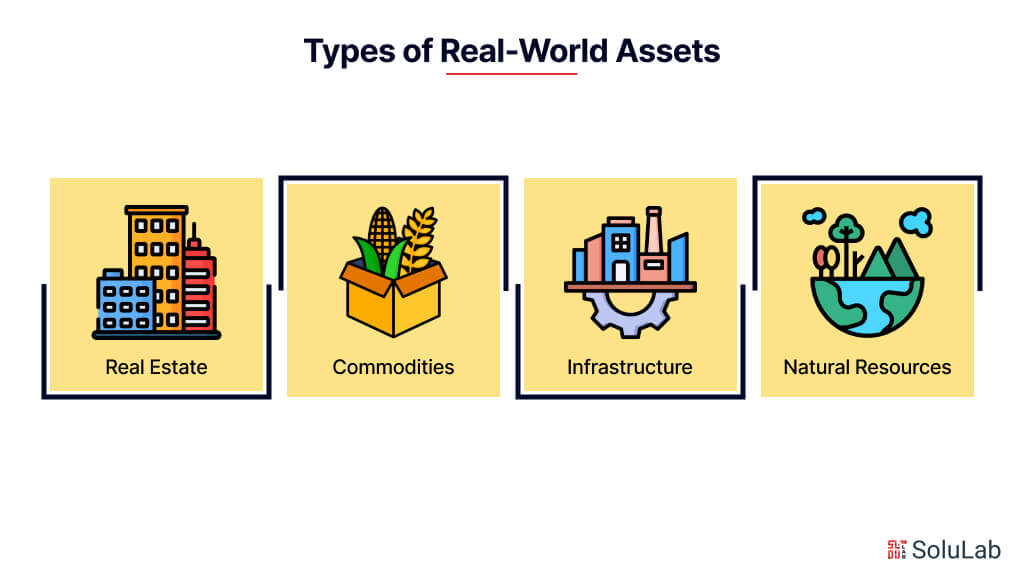
To grasp the significance of this development, it is essential to define what these assets represent. Real-world assets (RWA) are essentially traditional financial instruments—such as sovereign debt, equity shares, commodities, or real estate—that have been digitized via smart contracts. When a physical asset is tokenized, the digital record on a distributed ledger serves as a representation of the underlying value or ownership rights. This process is increasingly viewed by financial analysts as a mechanism to bridge the gap between legacy banking systems and the efficiency of decentralized networks.
The appeal of this model lies in its potential to democratize access. Historically, participating in high-value real estate or private equity markets required substantial capital and extensive administrative overhead. Through tokenization, these assets can be subdivided into smaller, more manageable units. According to research from the International Monetary Fund, the integration of digital ledger technology into traditional asset management could fundamentally alter market efficiency by reducing settlement times and operational costs, provided that regulatory frameworks keep pace with technological deployment.
The Role of Infrastructure in Asset Tokenization
For a platform to effectively facilitate the trading of tokenized assets, it must provide a robust environment that balances security with technical performance. Bitget’s approach involves leveraging its existing exchange architecture to support these new asset classes. By integrating advanced trading tools and maintaining a focus on user interface design, the platform seeks to lower the threshold for entry for both retail and professional investors who are looking to diversify their holdings beyond standard cryptocurrencies.
The technical requirements for handling RWA are distinct from those of traditional volatile crypto assets. Because these tokens represent ownership of physical or legal entities, they often require strict adherence to compliance standards, including Know Your Customer (KYC) and Anti-Money Laundering (AML) protocols. As regulators globally refine their stance on crypto-asset service providers, the ability to demonstrate rigorous operational standards becomes a competitive advantage for platforms seeking to host tokenized equities and similar instruments.
Market Implications and Future Outlook
The transition toward tokenized assets is not merely a technological upgrade; it is an economic shift that could reshape how capital is allocated globally. As more traditional assets migrate to blockchain environments, the distinction between “crypto markets” and “traditional markets” will likely continue to blur. For the average investor, this could mean the ability to manage a portfolio consisting of both digital-native assets—like Bitcoin or Ethereum—and tokenized traditional stocks or bonds within a single interface.
However, the sector remains in a developmental stage. Challenges regarding legal enforceability, cross-border jurisdictional issues and the standardization of tokenization protocols remain significant hurdles. Industry participants are currently monitoring how major global financial bodies, such as the Financial Stability Board, propose to regulate these activities to ensure that investor protections remain intact as the market scales.
Looking ahead, the success of platforms pursuing an RWA strategy will likely depend on their ability to cultivate trust and ensure the transparency of the underlying assets. As Bitget and other market participants continue to refine their offerings, stakeholders should look for official announcements regarding regulatory compliance and partnerships with traditional financial institutions, which serve as the primary conduits for bringing real-world value onto the blockchain.
We will continue to track updates regarding the regulatory landscape and the expansion of digital asset platforms as they integrate these complex financial products. Readers are encouraged to monitor official company disclosures and regulatory filings for the most current information regarding platform capabilities and investor access.